by admin | Dec 31, 2018 | Toolbox Talk, Transportation
You have the right to a drug and alcohol free work place. Federal regulations require companies that employ commercial drivers to test for drugs and alcohol. There are five types of tests your employer may carry out to meet these regulations, these include;...
by admin | Dec 24, 2018 | Toolbox Talk, Transportation
The US Department of Transportation has various regulations intended to keep America’s highways safe. These regulations, known as “Hours of Service” can be found in 49 Code of Federal Regulations Part 395, and applies to anyone who operates a commercial motor vehicle...
by admin | Dec 17, 2018 | Safety, Toolbox Talk
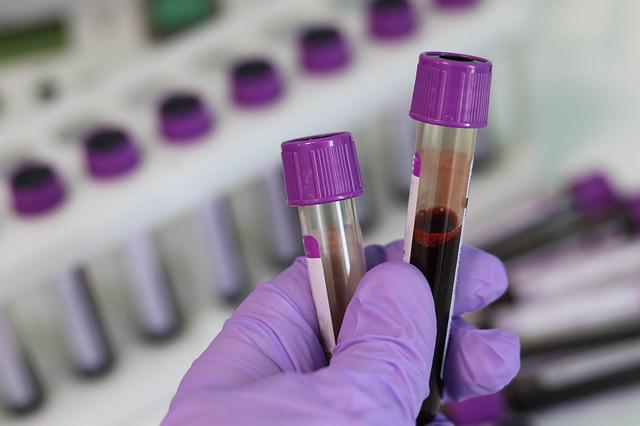
Bloodborne Pathogens are disease producing bacteria. Defined by OSHA as Pathogenic Microorganisms present in human blood that can lead to diseases. The most common types are HIV, Hepatitis B and Hepatitis C. They can only be transmitted to you if you physically make...
by admin | Dec 10, 2018 | Safety, Toolbox Talk
According to OSHA 29 CFR 1910.151(b), if a medical facility is not in near proximity of the workplace, someone at the workplace must have First Aid training and give some level of Medical attention as quickly as possible. Near proximity depends on the types of...

by admin | Dec 3, 2018 | Toolbox Talk, Transportation
A commercial motor vehicle (CMV) is any vehicle with a gross weight rating greater than 10,001 pounds that is used in interstate commerce or a vehicle that hauls hazardous materials that requires placards. If you operate a CMV, you must be qualified as a commercial...

Recent Comments