From the blog

Author: <span>admin</span>

Read our latest articles on compliance, recycling, inspections, and field practices from JEM's experience working with facilities across the industry.

Read our latest articles

OSHA Compliance Directives

OSHA standards for general industry cover workplace safety and health aspects, including emergency planning, walking surfaces, slips, trips and falls, hazardous chemicals, using power tools, welding, cutting, and hot works, fire safety, first aid, bloodborne pathogens, confined spaces, and PPE. They are found in Title…

Read More
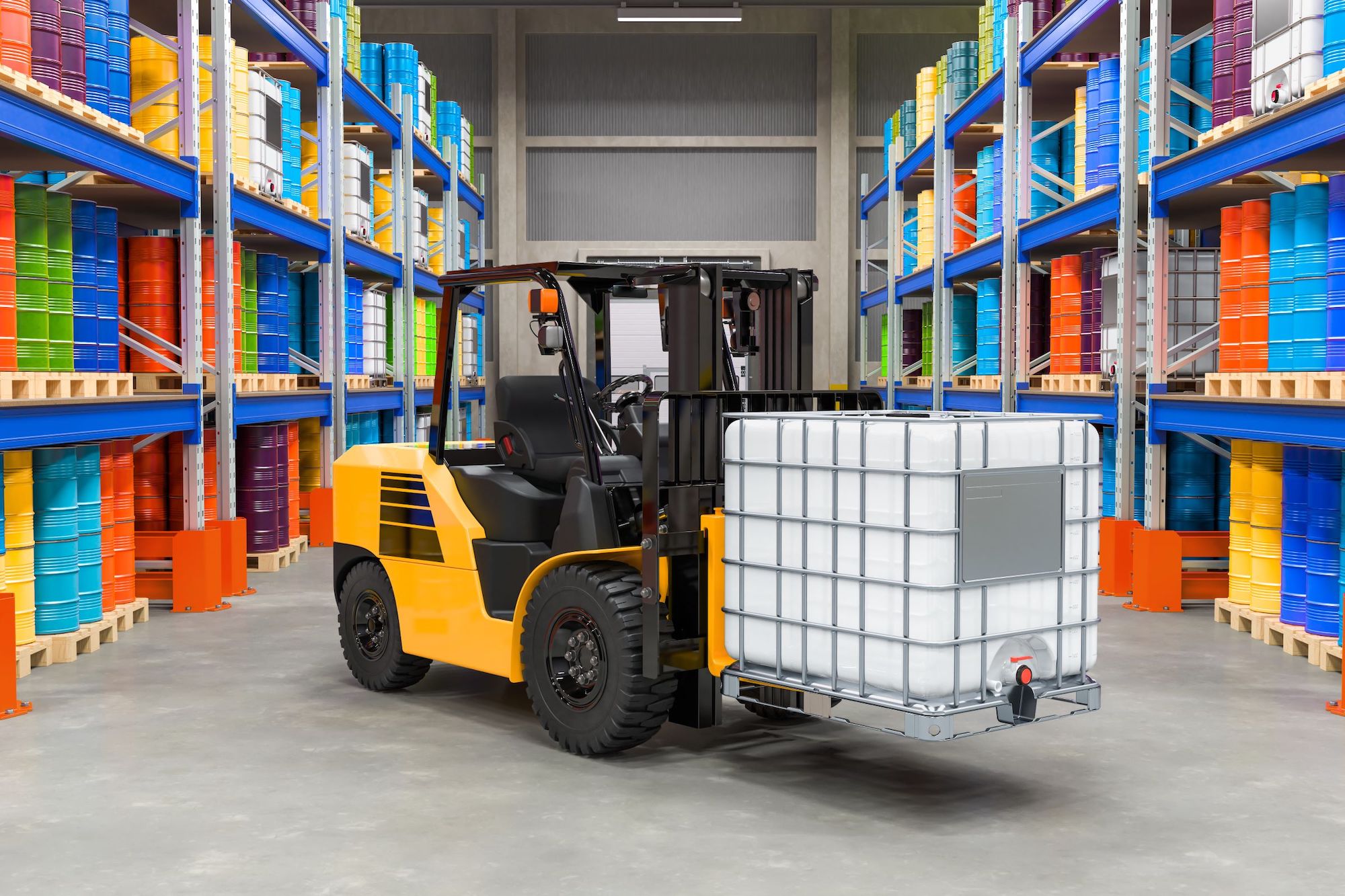
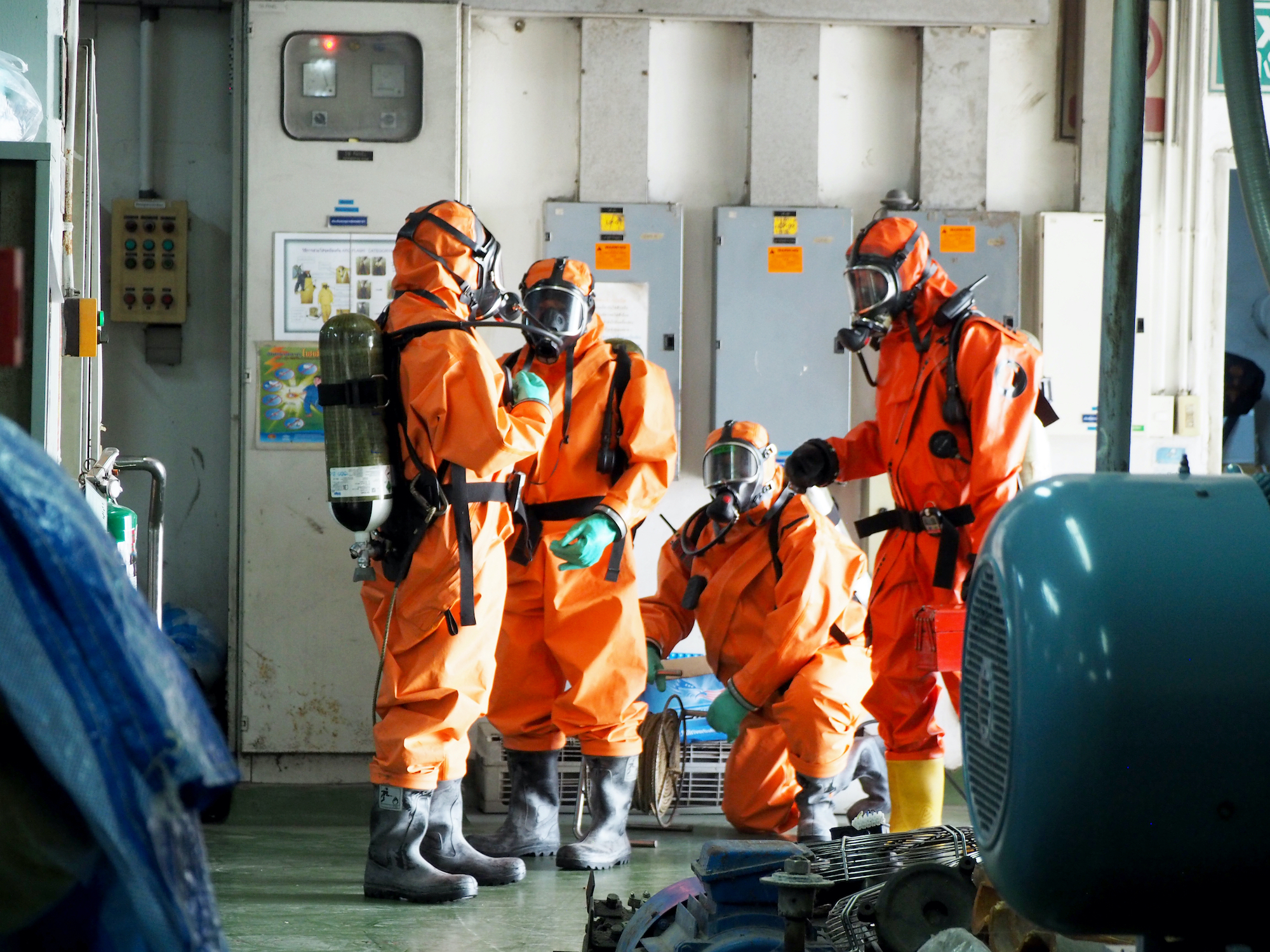
Shelving, Stacking and Storing

Stacking and storage are daily occurrences for many companies and can be a dangerous task if workers do not follow safety guidelines. Improper loading, unloading, and storage in the workplace can lead to falling materials and collapsing loads that trap or crush workers, causing severe…

Read More

Immediately Dangerous to Life and Health Limits (IDHL)

Occupational exposures to chemicals and other hazardous environments have been recognized as having potential affects to the health of workers; workers who conduct operations with atmospheric concentration of any toxic, corrosive or asphyxiants substance that poses an immediate threat to life, irreversible adverse health effects,…

Read More

Mercury Exposure from Fluorescent Bulbs

Fluorescent light bulbs may be environmentally friendly and more energy-efficient than regular incandescent light bulbs, but they pose a potentially serious health risk when broken. To help protect workers from mercury exposure from fluorescent light bulbs, dispose of and recycle the bulbs properly. If you…

Read More

Labeling Tanks

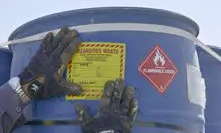
When hazardous chemicals or materials are placed into a container, it becomes necessary to mark and label that container to make all employees, transporters, and regulators aware of its contents. All employees should use the same method to label the containers; industry standard handwritten labels…

Read More

The Hierarchy of Controls

Managing exposure to occupational hazards in the workplace is vital to protecting workers. Implementing the Hierarchy of Controls can be used to keep workers safe from work-related illnesses and injuries and is widely accepted by health and safety professionals. The Occupational Safety and Health Administration…

Read More

Conducting a Job Hazard Analysis

Many workers are injured at the workplace every day. Most workplace injuries and illnesses can be prevented by establishing job procedures and ensuring that all employees are trained appropriately. One of the best ways to determine proper work procedures is to conduct a job hazard…

Read More

Inspecting a Crusher

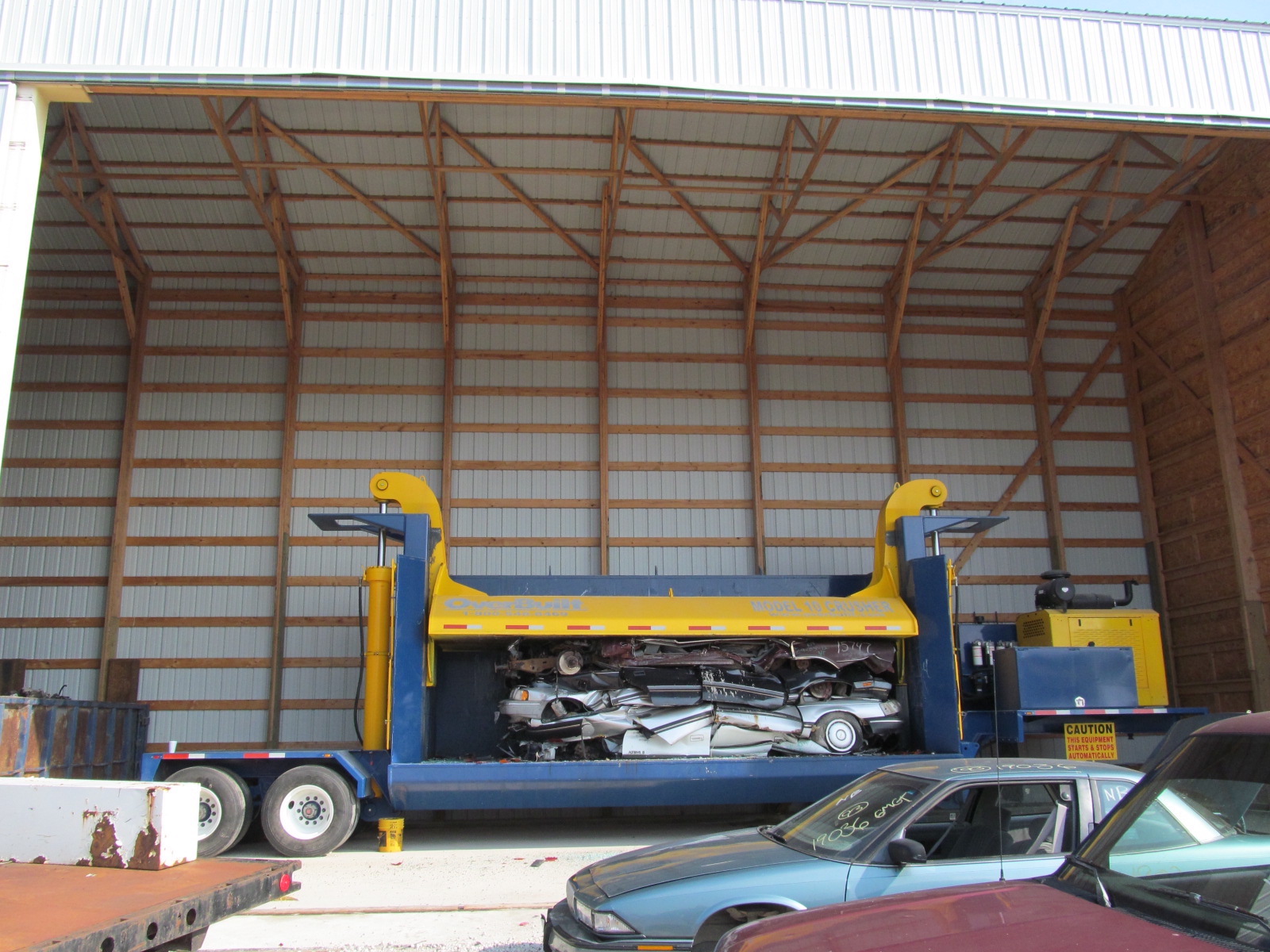
A standard car crusher is a massive machine used to flatten an automobile. It uses hydraulic pistons to drive a metal crushing plate downward vertically with generated force measuring 2,000 psi, reducing a car to a height of one to two feet thick. Caution, Warning,…

Read More

Work Zone Ahead

Road construction zones can be dangerous for workers and drivers. Because of this, it is required that all workers complete safety training before they enter the work zone. It is also essential that drivers stay alert when approaching and driving through work zones. Most fatal…

Read More

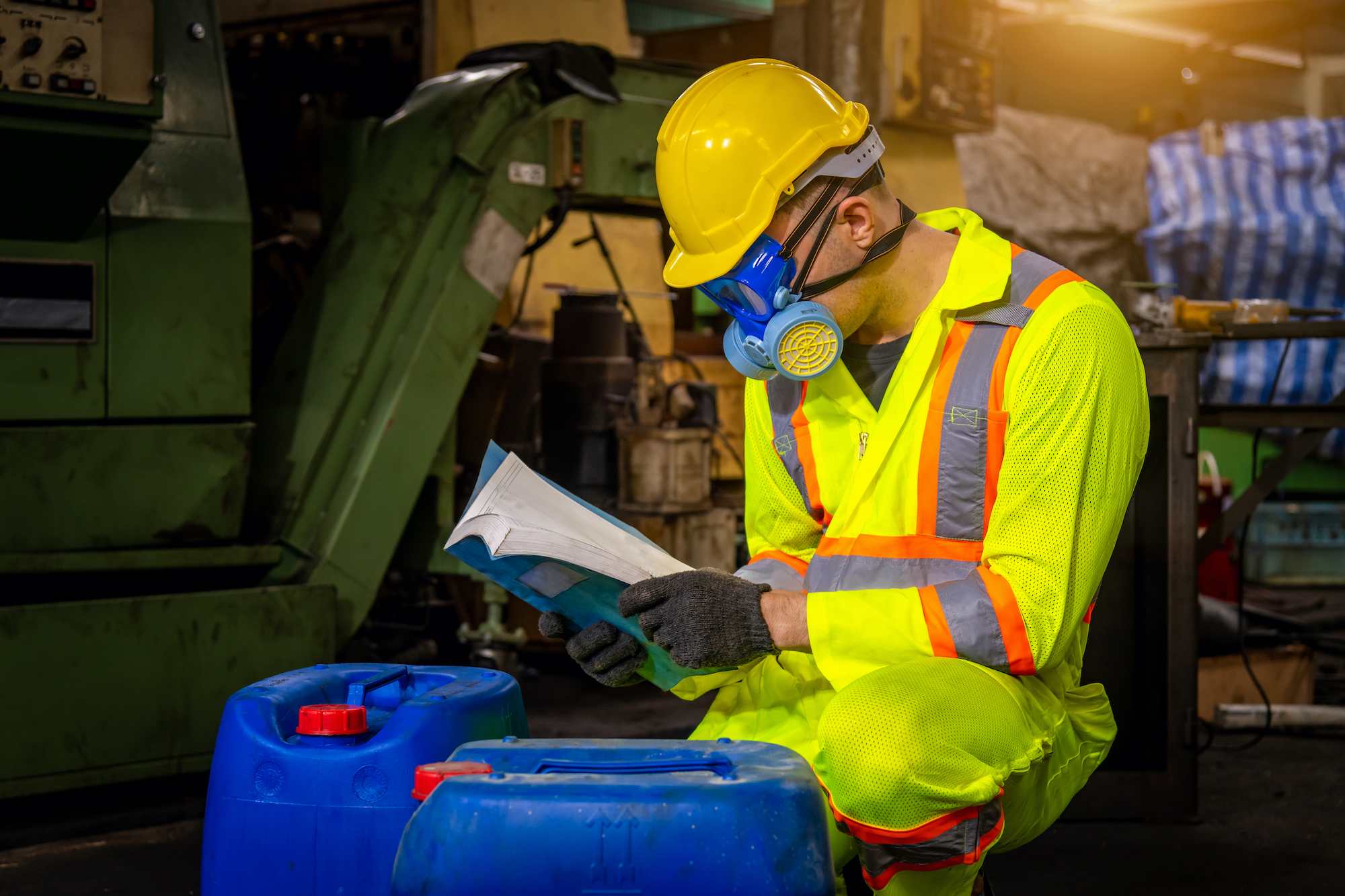
Incompatible Chemicals

Storage of incompatible materials, such as chemicals or wastes, can result in dangerous situations. Mixing these materials, purposely or as a result of a spill, can result in excessive heat, explosion, fire, toxic gases, mists, fumes, or other hazardous conditions, including harm to the environment…

Read More