Tool Box Talks
Hold more high-value safety meetings with resources from our eComply® weekly Toolbox Talks.
Each week, we update content with safety topics relevant across industries. Our Toolbox Talks make it easy to maintain OSHA compliance and keep employees safe without taking up a lot of time to research topics. We tailor toolbox talk topics for construction to your precise needs, and we ensure that everyone who accesses our archives emerges with a firm understanding of how to guarantee safety compliance.
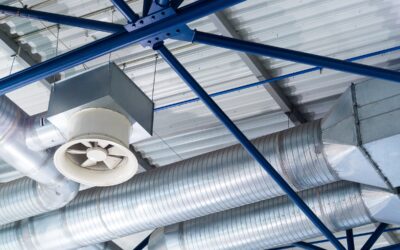
Ventilation and Indoor Air Quality
Proper ventilation is essential for preventing the buildup of indoor air pollutants, including chemical fumes from solvents, paints, and industrial cleaners, as well as dust, smoke, gases, and biological contaminants such as mold and allergens. Adequate ventilation is...
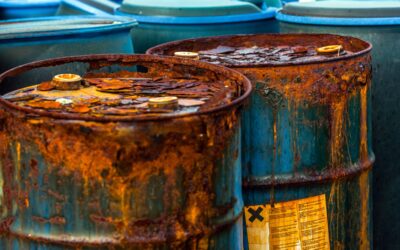
Identifying Hazardous Waste
Identifying hazardous waste involves a systematic approach to recognizing materials that may pose a threat to workers’ health or the environment. This process requires an understanding of the characteristics of hazardous waste. By following these systematic...
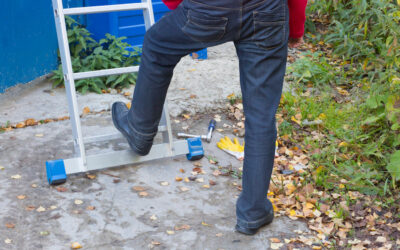
Ladders: Pre-Use Inspections
When using a ladder, it is crucial to conduct a comprehensive inspection before use to ensure safety and proper function. By performing a thorough pre-use inspection, you can significantly reduce the risk of accidents and ensure a safer working environment. Discission...
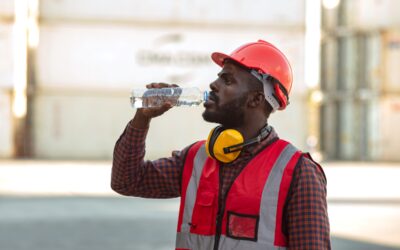
Heat Illness Prevention
Preventing heat illness is essential to maintaining health and safety, particularly in hot, humid environments. Effective strategies for preventing heat-related illnesses include understanding risks, recognizing symptoms, and taking proactive measures. Discussion...
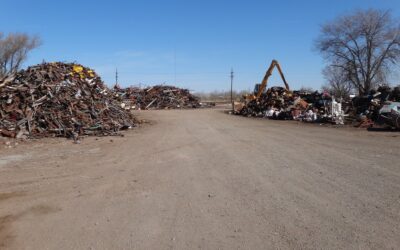
Yard Housekeeping
Every employee is responsible for maintaining a clean, safe workspace. By implementing effective yard housekeeping practices, we can significantly reduce workplace hazards and prevent injuries. Discussion Points: Identify potential risks in outdoor workspaces....

Clean Air
The Clean Air Act is a comprehensive federal law that regulates air emissions from stationary and mobile sources. This law authorizes the Environmental Protection Agency (EPA) to establish National Ambient Air Quality Standards (NAAQS) to protect public health and...
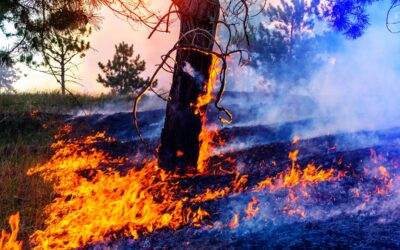
Wildfire Preparedness
Wildfires can occur anywhere and at any time; they are unpredictable and can cause significant destruction. These fires may be ignited by lightning or strong winds and often go unnoticed at first before spreading rapidly. Preparing for a wildfire evacuation in advance...

Railings and Guardrails
Falls are among the most common workplace accidents, resulting in serious injuries or fatalities. Railings and guardrails are essential safety features that serve as physical barriers to help prevent accidental falls from elevated work areas. Discussion Points: Safety...
Workers’ Memorial Day Remembrance
April 28, 2026, serves as an important reminder of the ongoing struggle for worker protection. On this day, people around the world will observe Workers’ Memorial Day, honoring those who have lost their lives or sustained permanent injuries in workplace accidents....
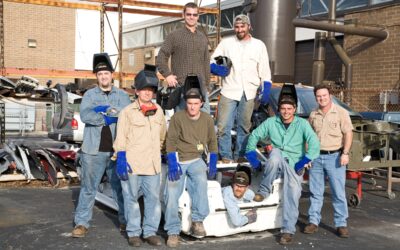
Building a Strong Safety Culture
One of the most effective ways to reduce workplace accidents is to foster a culture of safety. This commitment can significantly prevent accidents. When everyone prioritizes safety, there is likely to be a substantial decrease in incidents and an improvement in...
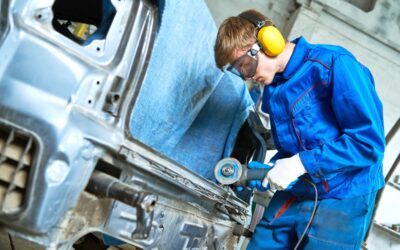
Angle Grinder Safety
Angle grinders are powerful tools commonly used for grinding, polishing, and removing excess material from machined metal. While they are extremely useful for a variety of tasks, angle grinders can also pose dangers if not used correctly. Discussion Points: Proper...

When Employees Change Roles
When an employee changes roles, it’s essential to provide training for their new responsibilities, clarify expectations, foster a supportive environment, and help them overcome any challenges they may encounter. Discussion Points: Clearly define the new...