From the blog

Category: <span>Transportation</span>

Read our latest articles on compliance, recycling, inspections, and field practices from JEM's experience working with facilities across the industry.

Read our latest articles

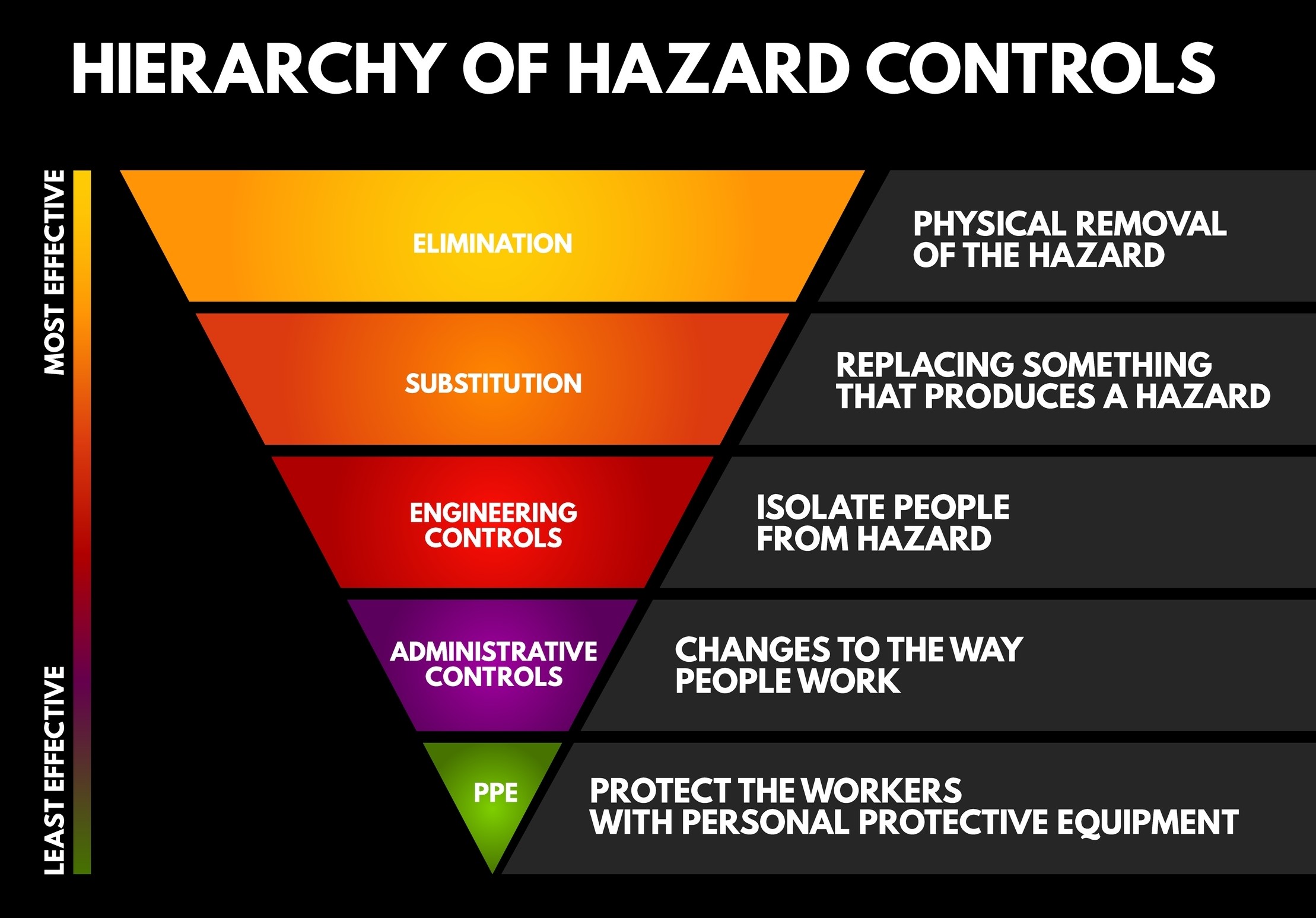
Hierarchy of Controls

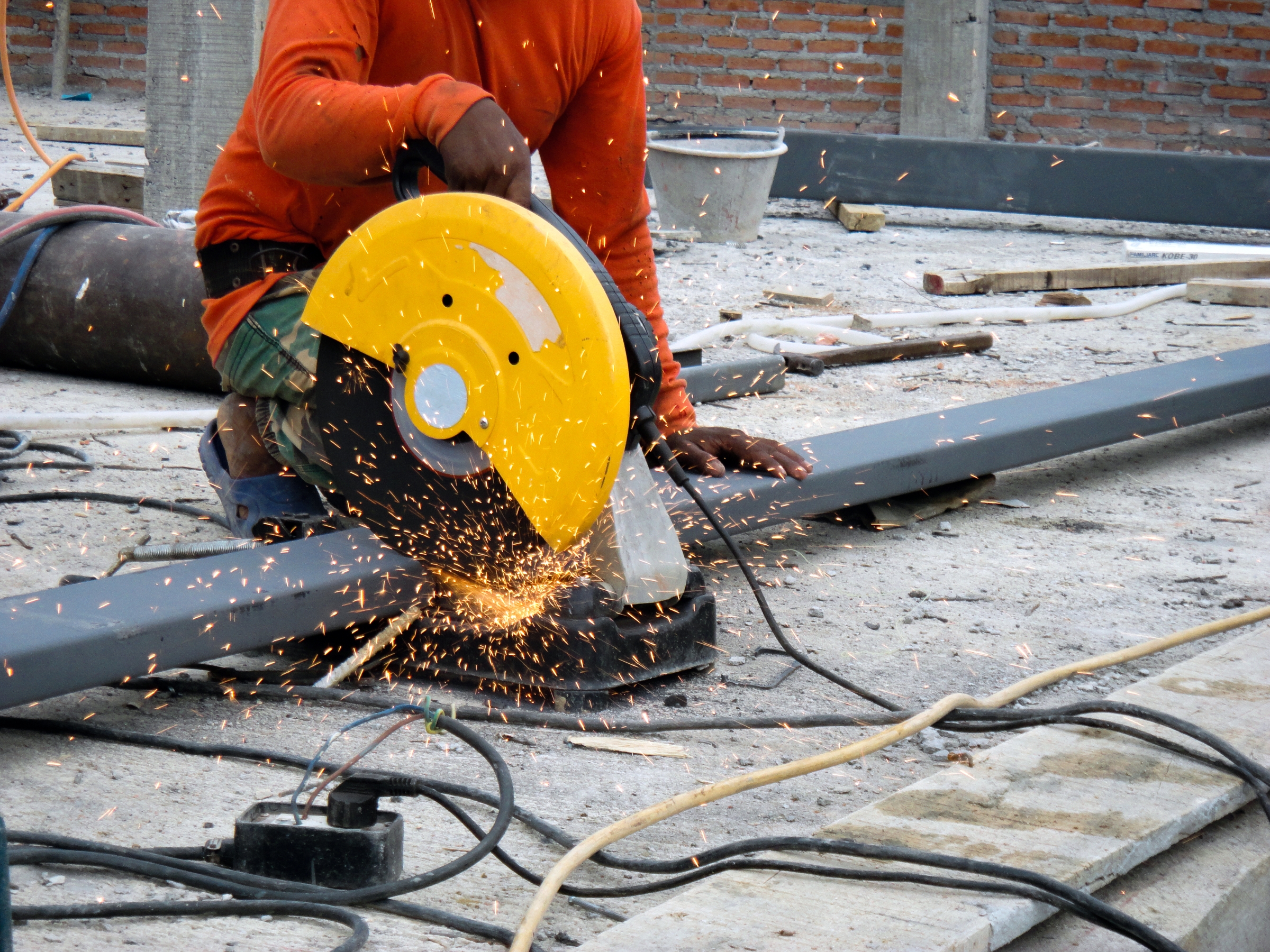
Common workplace hazards include poor housekeeping, working at heights, improper use of extension cords, and exposure to unknown chemicals. If these hazards are not properly managed, they can result in serious injuries or fatalities. To effectively handle hazardous situations, workers need to understand and apply…

Read More
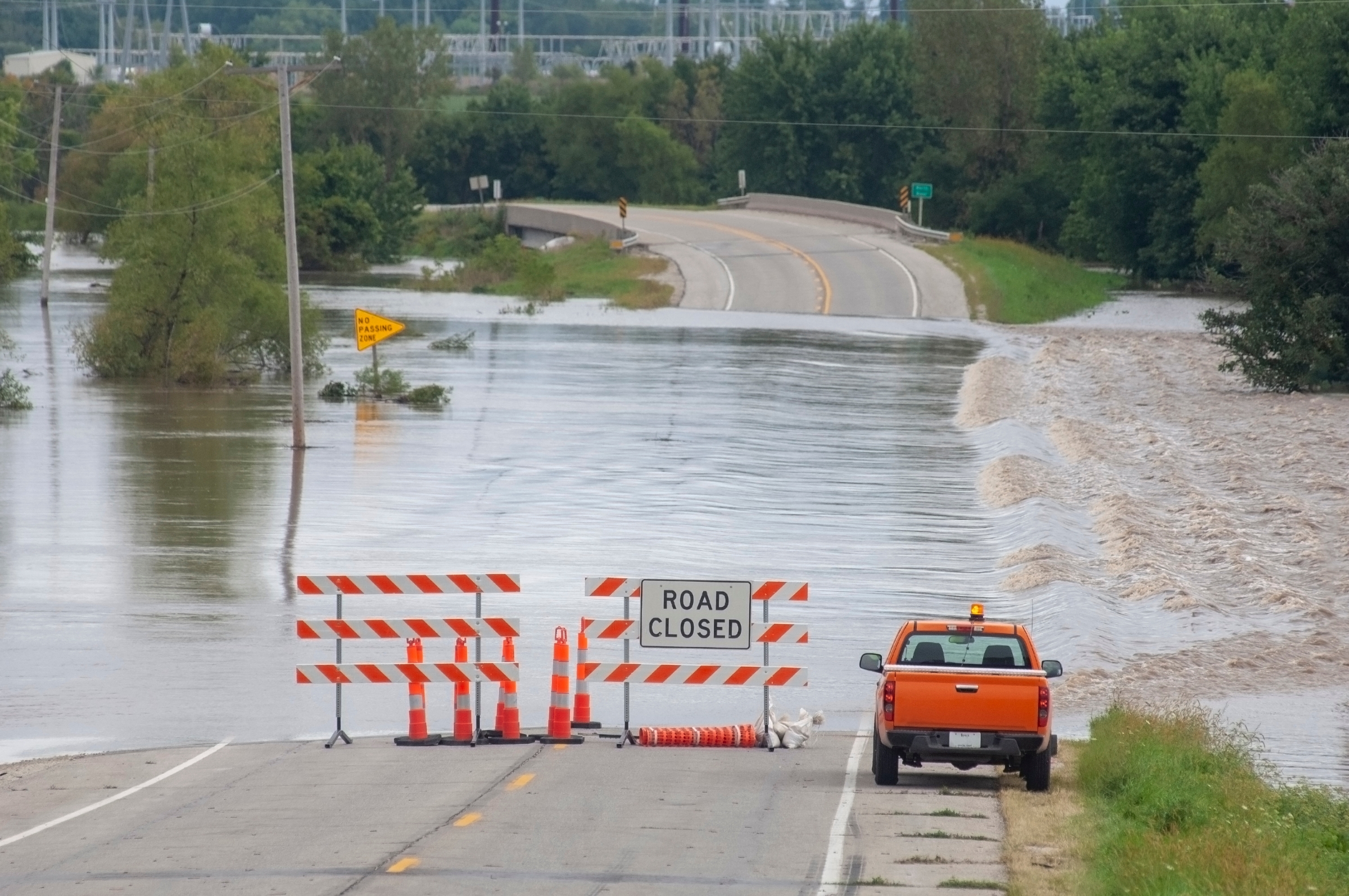
Flood Preparedness and Response

To prepare for heavy rains and potential flooding, take proactive measures to ensure safety and minimize damage. Being well-prepared can significantly enhance our ability to manage flood events and reduce their impact on facility operations.  Discussion Points: Identify potential safety hazards from heavy rain and…

Read More

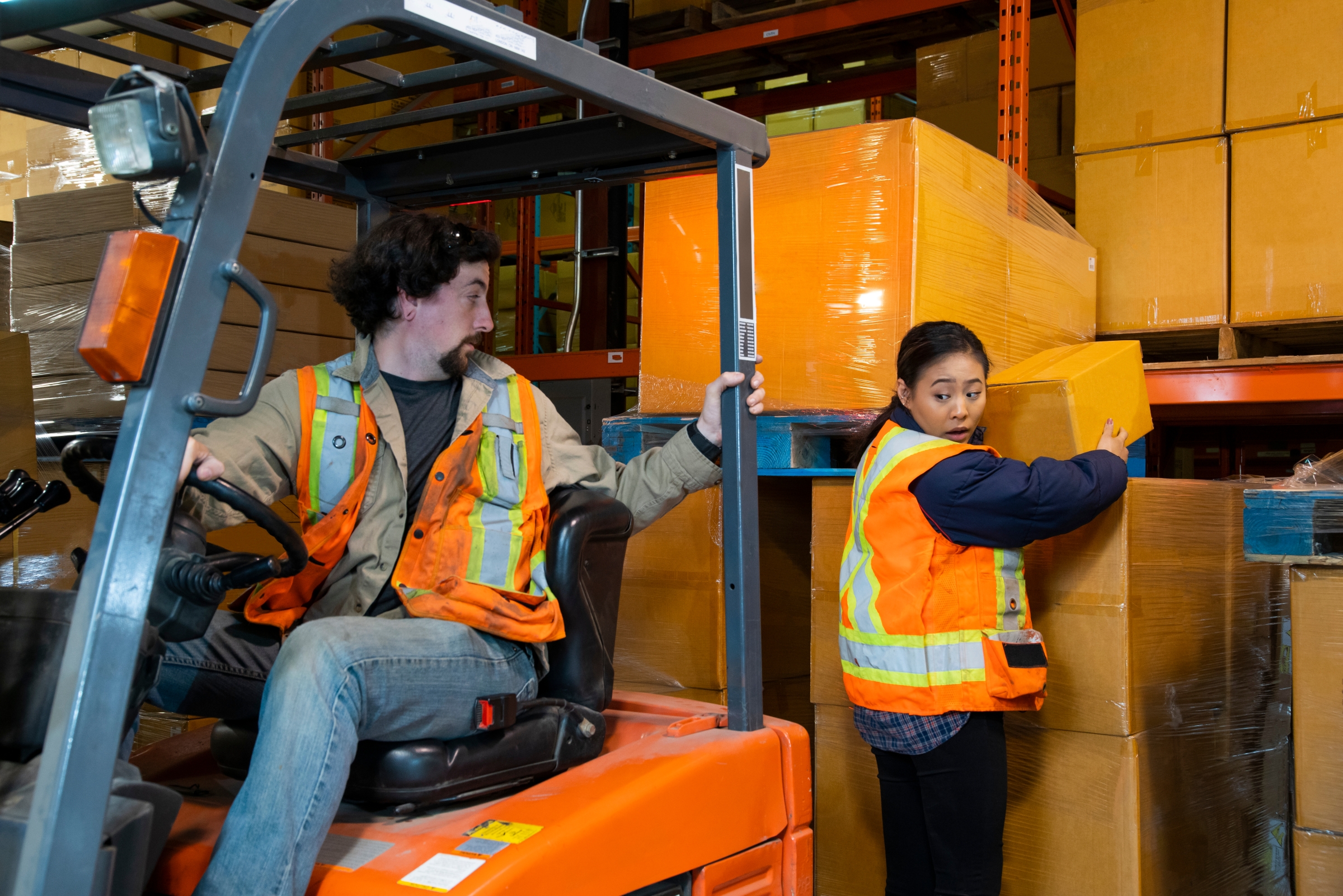
Preventing Back-Over Accidents

Backover accidents occur when a vehicle reverses and strikes a person or object. These accidents frequently occur in areas with limited visibility. To effectively reduce the risk of backover accidents, it is essential to implement safety protocols and comprehensive strategies for safe reversing practices. Discussion…

Read More

Safe Use of Extension Cords

Improper use of extension cords can pose serious safety risks. Common practices that lead to these hazards include overloading cords by connecting too many devices or using devices that exceed the cord’s rated capacity. By being aware of these issues, you can help prevent dangerous…

Read More

Humidity and Hydration

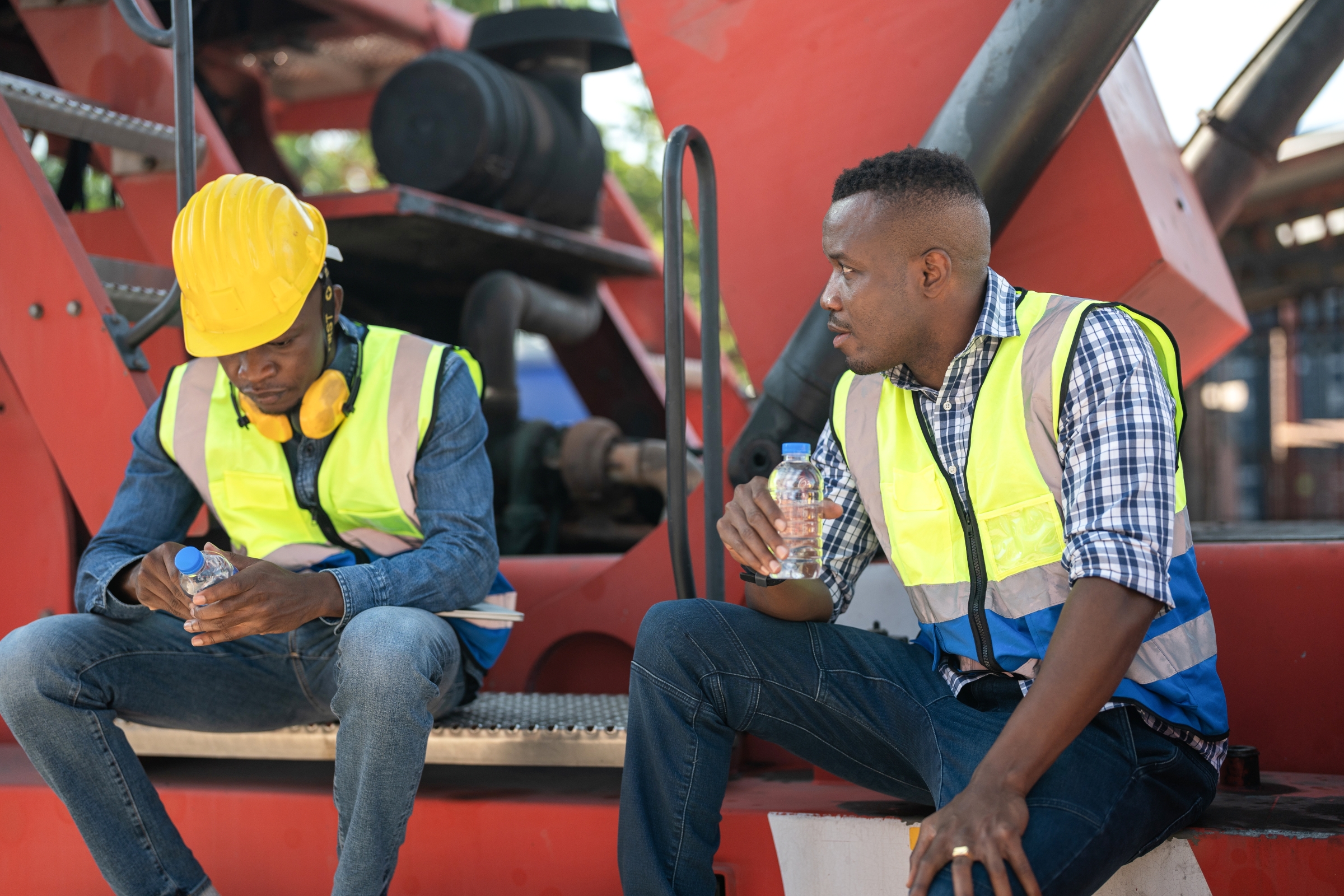
High humidity hinders the evaporation of sweat, significantly limiting the body’s ability to cool itself and increasing the risk of heat stress. When humidity is high, the air is saturated with moisture, making it difficult for sweat to evaporate from the skin and trapping heat…

Read More

P2 Practices

Pollution prevention, often called source reduction, involves a range of practices and strategies aimed at minimizing the generation of pollutants at their source. This proactive approach focuses on altering production processes, promoting the use of less harmful substances, and implementing efficient methods to significantly reduce…

Read More

Ventilation and Indoor Air Quality

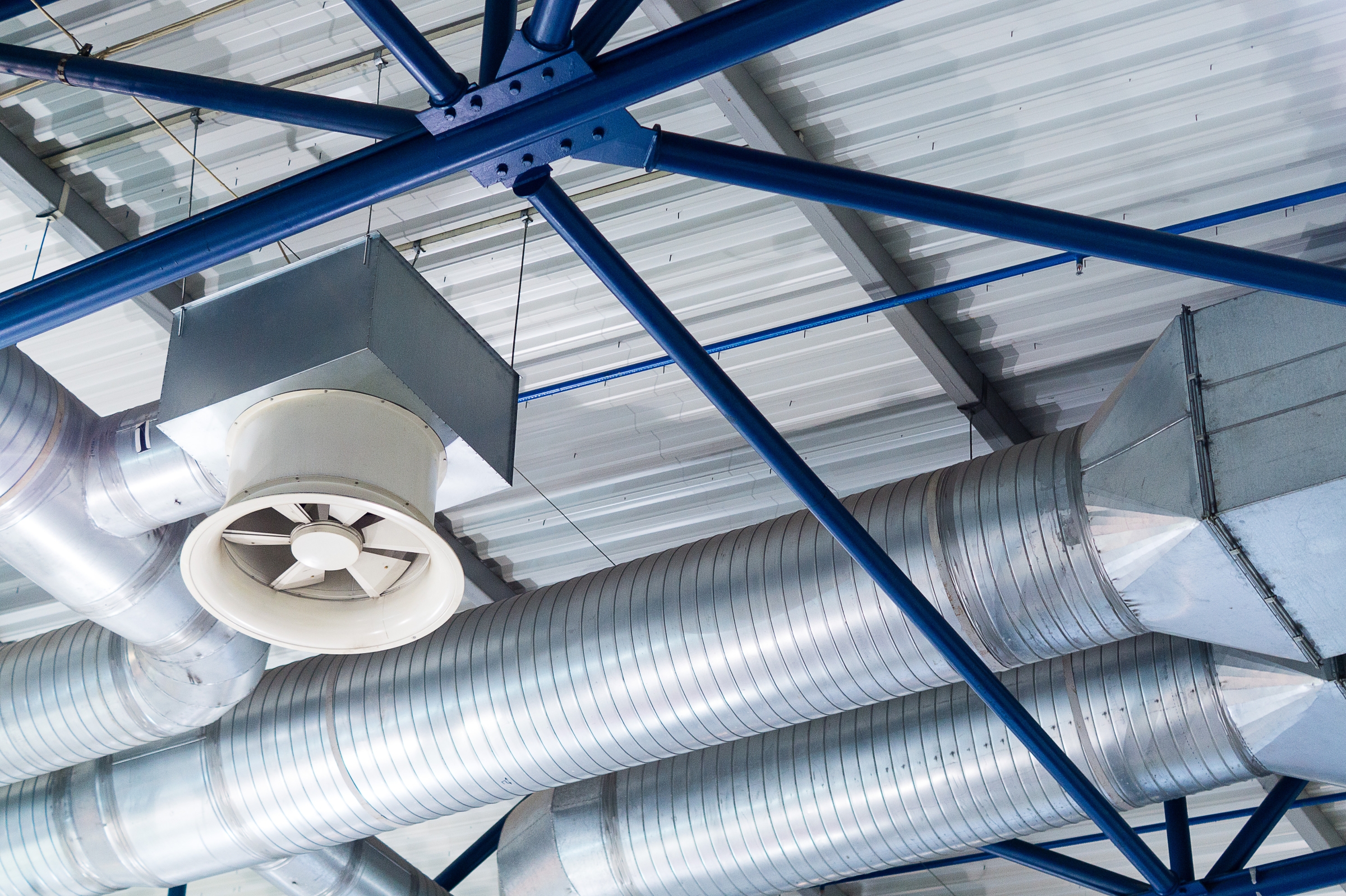
Proper ventilation is essential for preventing the buildup of indoor air pollutants, including chemical fumes from solvents, paints, and industrial cleaners, as well as dust, smoke, gases, and biological contaminants such as mold and allergens. Adequate ventilation is not only a regulatory requirement but also…

Read More

Identifying Hazardous Waste

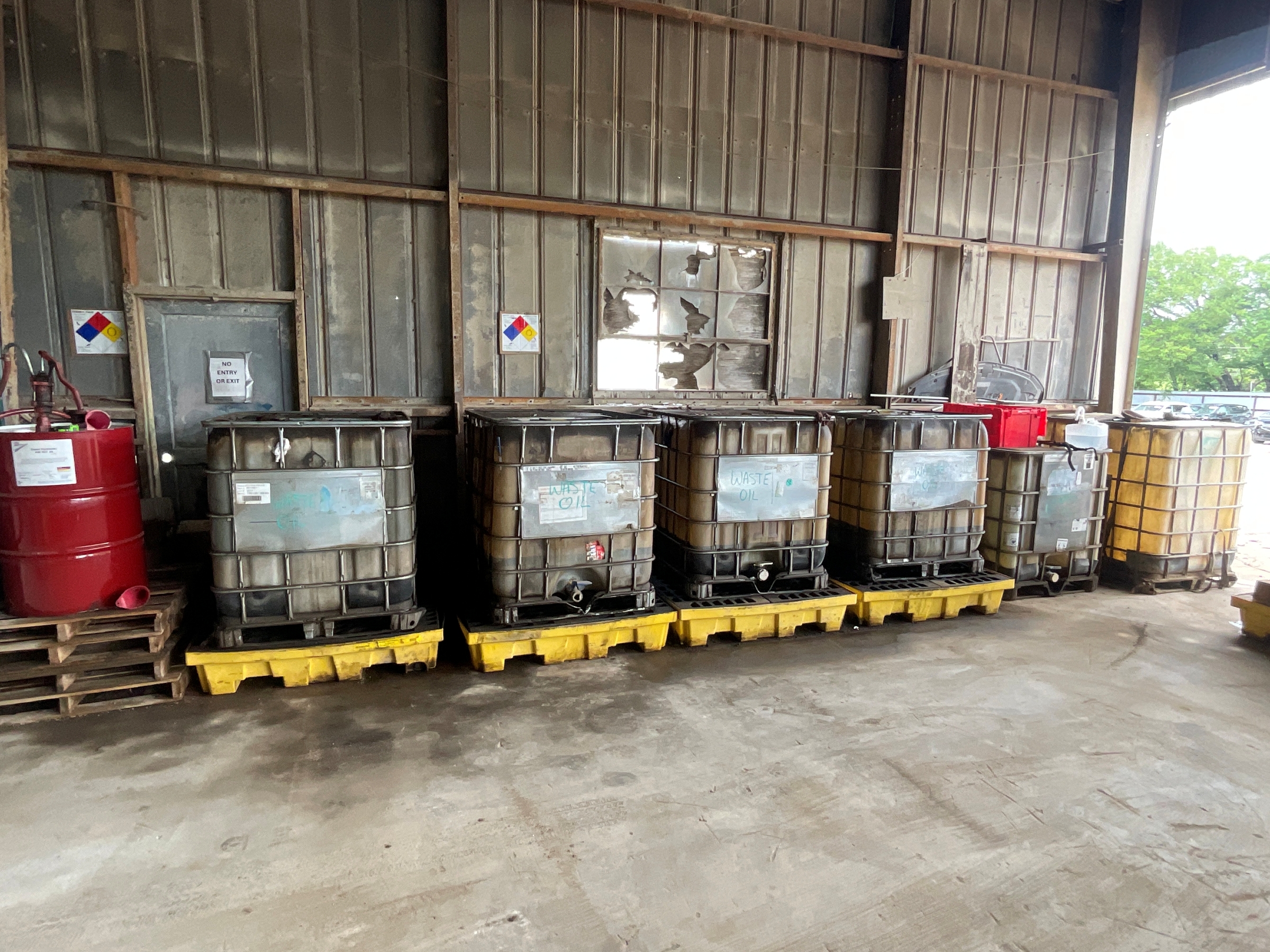
Identifying hazardous waste involves a systematic approach to recognizing materials that may pose a threat to workers’ health or the environment. This process requires an understanding of the characteristics of hazardous waste. By following these systematic approaches, we can mitigate risks associated with hazardous waste…

Read More

Ladders: Pre-Use Inspections

When using a ladder, it is crucial to conduct a comprehensive inspection before use to ensure safety and proper function. By performing a thorough pre-use inspection, you can significantly reduce the risk of accidents and ensure a safer working environment. Discission Points: Visual Inspection of…

Read More

Heat Illness Prevention

Preventing heat illness is essential to maintaining health and safety, particularly in hot, humid environments. Effective strategies for preventing heat-related illnesses include understanding risks, recognizing symptoms, and taking proactive measures.  Discussion Points: Factors that increase the risk of heat-related illnesses. Symptoms associated with heat-related illnesses.…

Read More