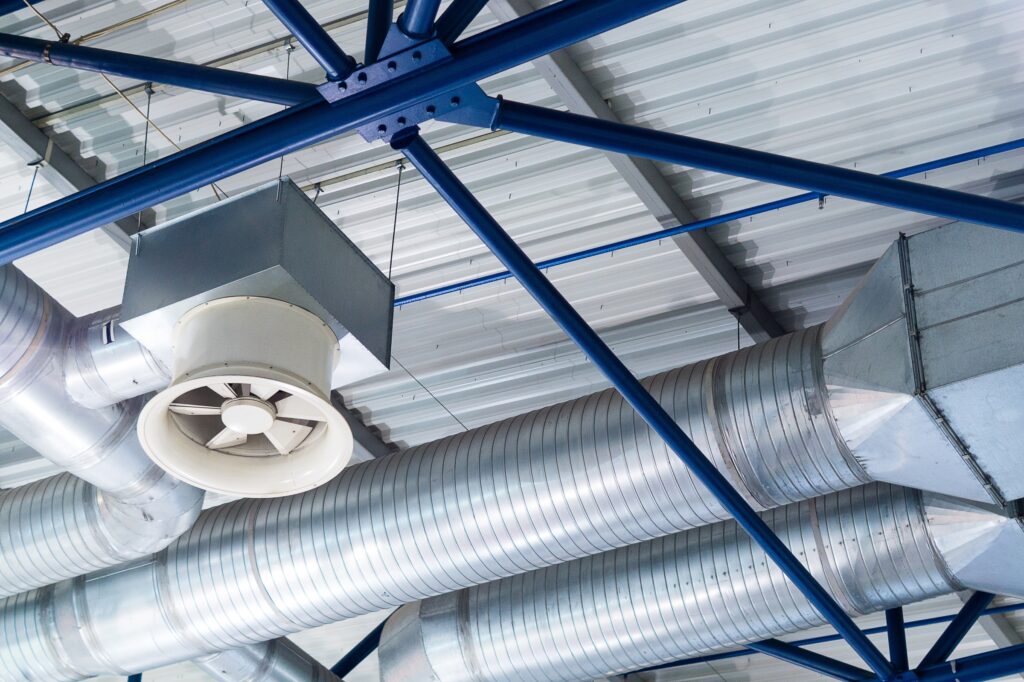
Proper ventilation is essential for preventing the buildup of indoor air pollutants, including chemical fumes from solvents, paints, and industrial cleaners, as well as dust, smoke, gases, and biological contaminants such as mold and allergens. Adequate ventilation is not only a regulatory requirement but also vital to protecting employee health. It enhances productivity and contributes to a safe and efficient workplace.
Discussion Points:
- Maintain adequate ventilation for a safe and healthy workplace.
- Best practices and strategies for controlling pollutants and odors.
- Conduct regular assessments and adhere to safety guidelines to enhance air quality.
Discussion:
Ensuring adequate ventilation in workplaces is crucial for maintaining a safe and healthy environment, particularly in areas involving chemical handling and storage, parts washing, painting, battery storage and charging, and forklift operation. These activities can generate harmful fumes and dust that must be effectively managed to protect workers’ health. Ventilation systems vary by building type and task requirements. However, their common goal is to circulate fresh air while removing stale air and pollutants.
There are two main types of ventilation: natural and mechanical. Natural ventilation relies on passive airflow through open windows, doors, and vents, allowing air to move freely throughout the space. In contrast, mechanical ventilation uses fans and air conditioning units to regulate indoor air quality. These systems can be customized to meet specific air quality needs and significantly reduce airborne contaminants, creating a healthier work environment.
Choosing the right ventilation strategy is crucial to maintaining a safe and productive workplace. Regular assessments and adherence to the following safety guidelines can further improve air quality:
- Participate in all training sessions on air quality management and safety protocols.
- Maintain clean personal workspaces. Dispose of waste properly, minimize clutter, and use cleaning products that do not emit harmful fumes. Clutter and obstructions can block air vents and reduce airflow, leading to poor indoor air quality.
- Conduct routine checks of ventilation systems, ensuring filters are changed regularly, and systems function properly.
- Ensure that exhaust fans and ventilation hoods are operational to provide a safe working environment.
- Regularly assess the effectiveness of ventilation in the chemical storage area. A dedicated ventilation system must be maintained and periodically monitored to ensure compliance with safety regulations.
- Ensure the ventilation in the parts-washing area provides sufficient airflow to dissipate fumes and vapors generated during cleaning.
- Ensure the painting area has strong airflow, using intake and exhaust fans to direct fumes outside, along with local exhaust systems positioned at the source. Continue to run the ventilation system after completing the work to dissipate any lingering heavy vapors.
- Battery storage and charging areas must have adequate ventilation to prevent the buildup of harmful gases, such as hydrogen, during charging.
By prioritizing these practices, we can create a safe work environment. If you notice signs of inadequate ventilation or experience discomfort from poor air quality, report it to your supervisor immediately.
As always, stay safe out there!