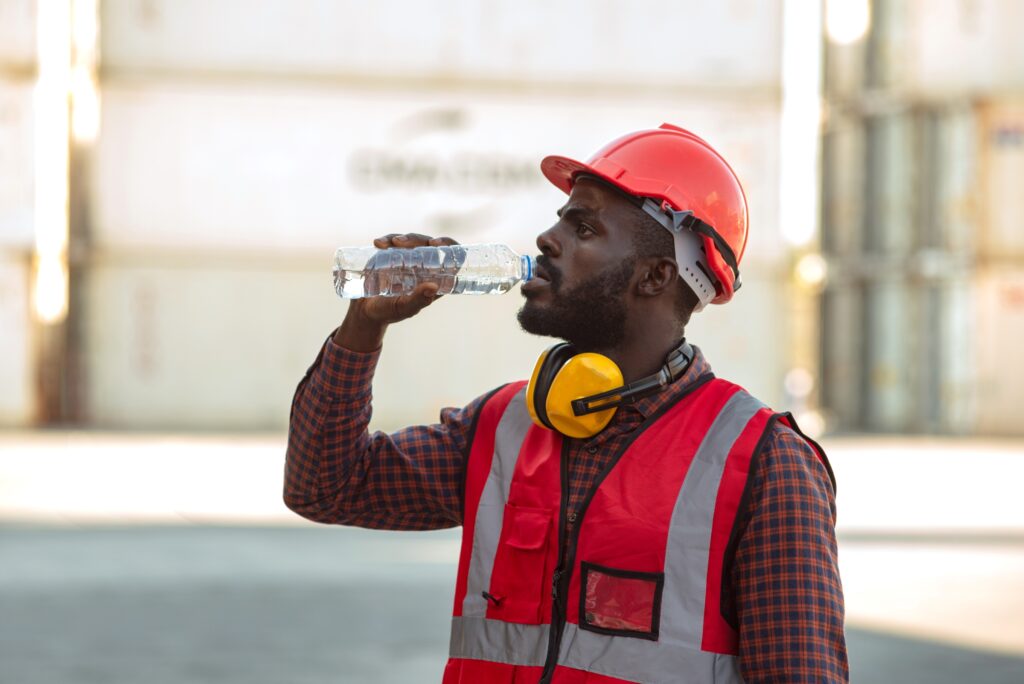
Preventing heat illness is essential to maintaining health and safety, particularly in hot, humid environments. Effective strategies for preventing heat-related illnesses include understanding risks, recognizing symptoms, and taking proactive measures.
Discussion Points:
- Factors that increase the risk of heat-related illnesses.
- Symptoms associated with heat-related illnesses.
- Strategies to mitigate the risk of heat-related illnesses.
- Emergency procedures for managing heat-related illnesses.
Discussion:
Heat-related illnesses can range from mild conditions such as heat cramps to more serious conditions, including heat exhaustions and heat stroke. These illnesses occur when the body overheats and cannot cool down effectively.
Several factors can increase the risk of experiencing heat-related illnesses, including high temperatures and humidity, intense physical activity, dehydration or insufficient fluid intake, certain health conditions, and medications that affect the body’s ability to regulate temperature.
It’s important to recognize the symptoms of heat-related illnesses, which may include heavy sweating, weakness or fatigue, dizziness or lightheadedness, nausea and vomiting, headaches, and confusion or irritability.
To reduce the risk of heat-related illnesses, consider implementing the following strategies:
- Stay hydrated by drinking plenty of fluids, especially water, before, during, and after physical activity. Limit your intake of caffeine and alcohol, as both can contribute to dehydration.
- Gradually increase your exposure to high temperatures over several days to help your body adapt to the heat. This acclimatization process allows you to develop better heat tolerance.
- Wear lightweight, loose-fitting, and light-colored clothing that allows for air circulation and sweat evaporation.
- Take regular breaks in shaded or air-conditioned areas to allow the body to cool down. Short breaks can help mitigate overheating during prolonged exposure to heat.
- Establish a work schedule that facilitates recovery in cooler environments. Schedule work during the cooler times of the day and avoid peak heat.
- Keep an eye on the weather conditions and adjust the work schedule as needed.
- Use cooling aids such as fans, cooling towels, or other devices to help regulate body temperature.
- Work with a partner to monitor each other for signs of heat illness.
- Inform your supervisor if you are feeling ill or experiencing symptoms of heat-related illness.
It is important to be familiar with emergency procedures for heat-related illnesses and to know whom to contact in an emergency. If someone shows signs of heat illness, it is crucial to act quickly. Move the person to a cooler environment, apply cool, wet clothes, or immerse them in cool water. Seek medical attention if symptoms worsen or do not improve. By understanding heat illnesses and taking proactive measures, you can significantly reduce the risk of heat-related illnesses in hot conditions and continue performing your duties safely and effectively.
As always, stay safe out there!