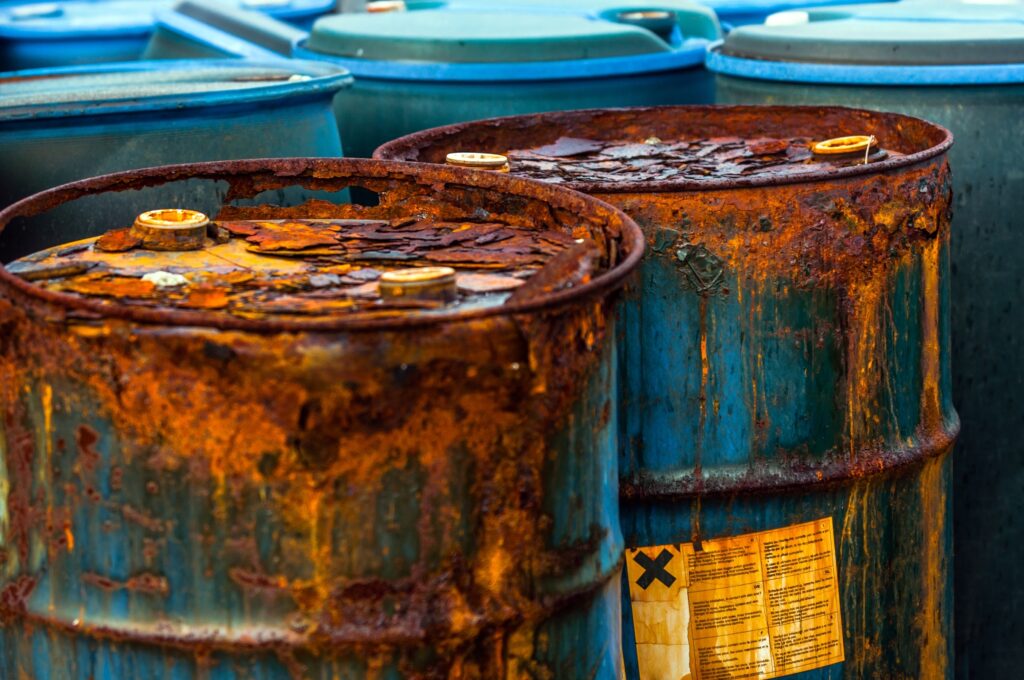
Identifying hazardous waste involves a systematic approach to recognizing materials that may pose a threat to workers’ health or the environment. This process requires an understanding of the characteristics of hazardous waste. By following these systematic approaches, we can mitigate risks associated with hazardous waste management and contribute to a safer working environment and a healthier ecosystem.
Discussion Points:
- Understanding the characteristics of hazardous waste.
- Review safety data sheets for information regarding hazardous waste.
- Understanding the local and federal regulations concerning hazardous waste.
Discussion:
The storage of hazardous waste poses significant risks to workers’ health and the environment, primarily due to the toxic, corrosive, reactive, or flammable characteristics of these materials. It is crucial to thoroughly identify and assess the hazardous materials present in the workplace. Proper identification involves examining all materials and substances stored or used, including chemicals, heavy metals, and biological agents, to determine their potential hazards.
The first step in identifying hazardous waste is to determine whether the material qualifies as solid waste. This process considers factors such as quantity, origin, and regulatory thresholds established by the Environmental Protection Agency (EPA). This initial assessment is crucial for conducting further analysis of the waste’s characteristics and potential hazards.
Hazardous waste can be classified based on specific characteristics, including ignitability, corrosivity, reactivity, and toxicity:
- Ignitable waste can easily catch fire under certain conditions. For example, liquids with a flash point below 140°F, such as solvents or gasoline, are considered ignitable.
- Corrosive waste can damage or corrode metals. They often have highly acidic or basic pH levels, such as those of battery acid.
- Reactive wastes can undergo violent reactions under certain conditions, potentially leading to explosions or the release of hazardous compounds.
- Toxic waste can be harmful or fatal if ingested or absorbed. This category often includes substances such as pesticides and heavy metals that can leach into soil and water, posing environmental risks.
- Mixed wastes consist of hazardous waste that contains both radioactive materials and other hazardous substances.
Workers should be able to recognize hazardous materials and understand the specific dangers they pose. To accurately identify hazardous waste, it is essential to review Safety Data Sheets (SDSs), properly label the contents, and conduct tests to assess the waste’s properties. This identification process is crucial for the proper handling, treatment, and disposal of hazardous materials, thereby helping minimize the risks to public health and the environment. Understanding local and federal regulations regarding hazardous waste is vital for ensuring compliance and promoting safety in waste management practices.
If you have any questions regarding hazardous waste, do not hesitate to ask your supervisor for clarification.
As always, stay safe out there!