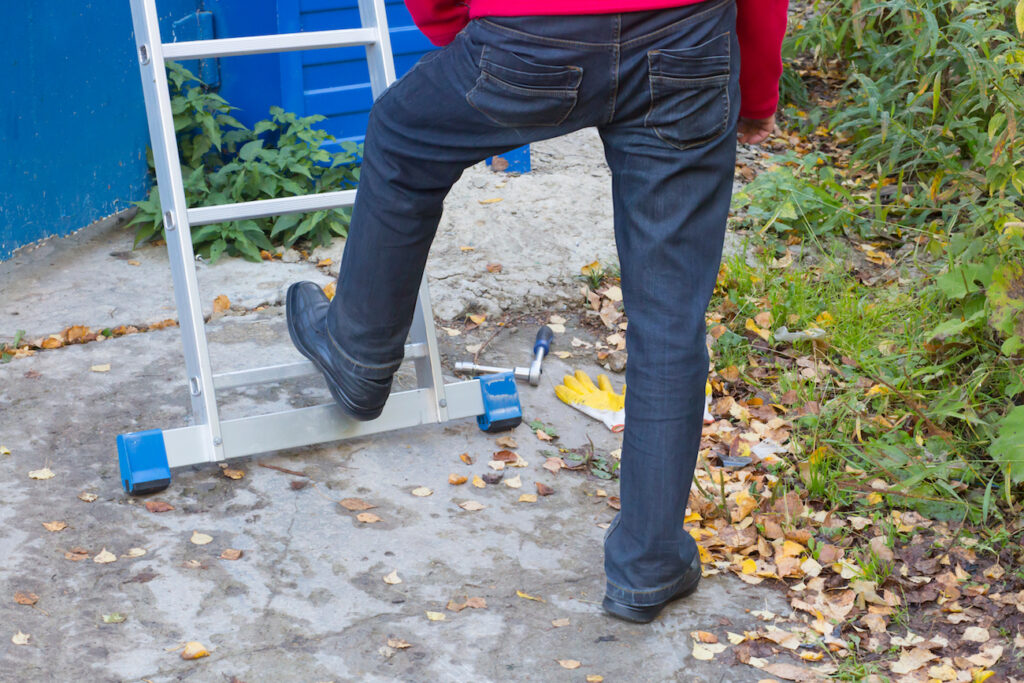
When using a ladder, it is crucial to conduct a comprehensive inspection before use to ensure safety and proper function. By performing a thorough pre-use inspection, you can significantly reduce the risk of accidents and ensure a safer working environment.
Discission Points:
- Visual Inspection of Ladder Condition.
- Hardware Check
- Load Capacity Review
- Cleaning and Maintenance
Discussion:
Select a ladder suitable for the job, considering height, weight capacity, and type. Ensure the ladder’s rating meets your specific needs by checking labels indicating its load capacity, and always perform a pre-use inspection.
Conducting a pre-use inspection is essential for preventing injuries and ensuring that ladders remain reliable tools during work. This process involves checking for signs of wear, damage, and structural integrity issues.
Before using any ladder, perform a visual inspection for structural damage, loose hardware, missing components, and contaminated rungs. It’s also important to verify the manufacturer’s working load limit or duty rating to ensure the ladder can safely support your weight, along with any tools and materials you may be carrying. Understanding a ladder’s working load capacities is critical to preventing accidents and injuries. Always select a ladder that meets or exceeds the total load it can support.
Pre-Use Ladder Inspection Checklist:
- Check that the manufacturer’s safety labels, weight limits, and instructions are present and legible.
- Check the side rails for cracks, dents, bows, or splinters. Ensure they are clean and free of burrs or sharp edges.
- Ensure the rungs or steps are secure and properly attached to the side rails. Check for signs of wear, splitting, or other damage that could affect stability.
- Ladders shall be free of slippery substances like oil, mud, and ice.
- Confirm that all bolts, rivets, and braces are tight.
- Ensure the spreader arms lock securely on stepladders.
- Check that ropes and pulleys are in good condition. Test the locking mechanisms to ensure they function correctly and engage securely.
- Verify that the feet and base slip-resistant rubber pads are intact and provide sufficient grip on the ground. Check for wear or damage to the rubber feet, which could compromise stability.
- Check that all accessories, including leg levelers, paint shelves, and stand-off shelves, are in good condition.
- Damaged or worn ladders should be removed from service and destroyed.
Conducting this thorough inspection before each use will help ensure safety and stability while working with ladders.
As always, stay safe out there!