From the blog

Category: <span>Transportation</span>

Read our latest articles on compliance, recycling, inspections, and field practices from JEM's experience working with facilities across the industry.

Read our latest articles

Health and Safety Program

It is the employer’s responsibility to provide a safe workplace for all employees. The best place to begin is, to develop a Health and Safety program, by establishing a written policy explaining the company’s commitment to the program for all employees. The program should include;…

Read More
Fall Prevention at Work

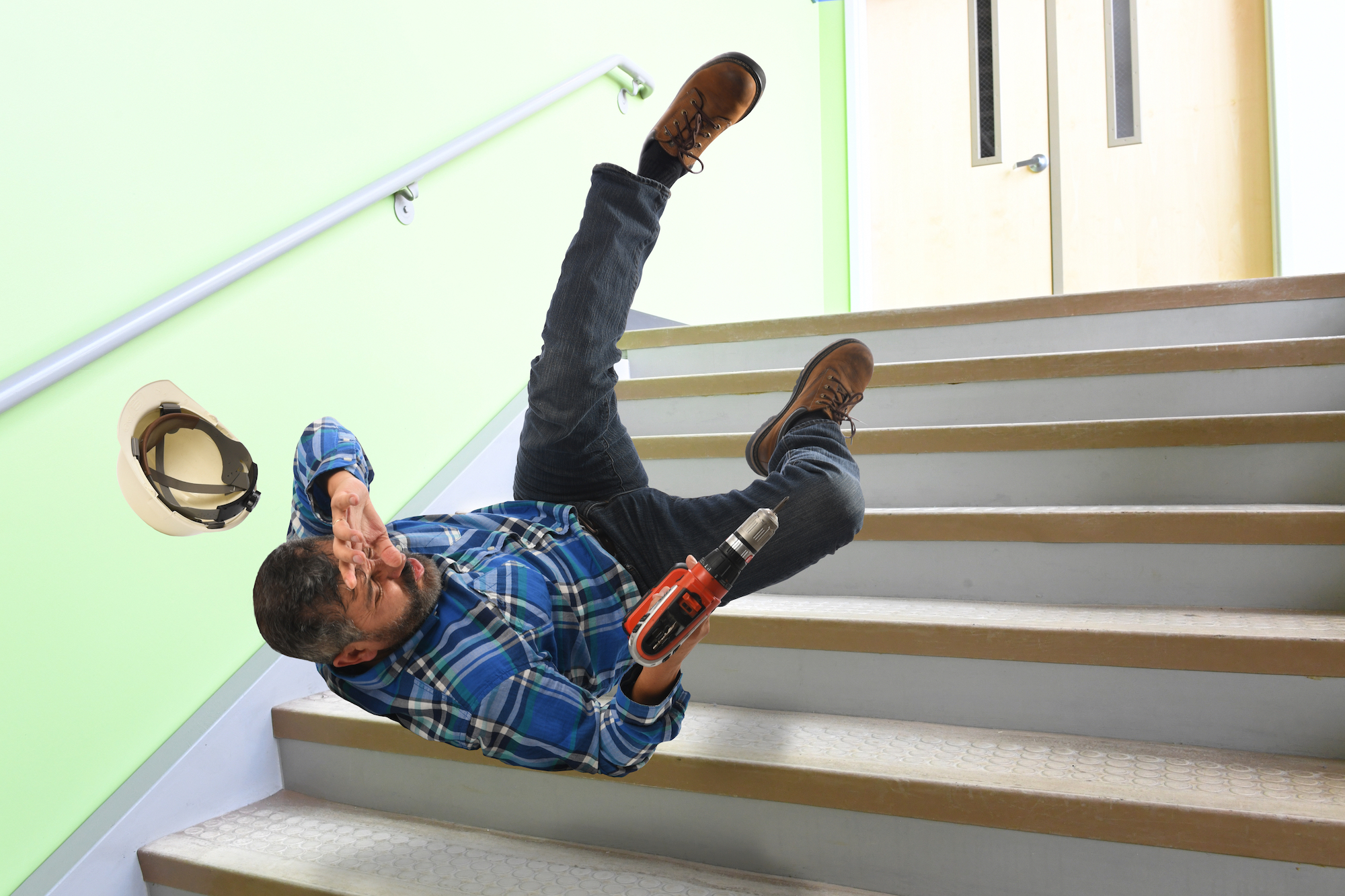
Falls are the leading cause of injuries and fatalities in the workplace, second only to vehicle accidents. The construction industry leads the way with the largest number of fatalities as a result of these falls. However, the possibility of falls at any workplace is high,…

Read More

Benefits of Good Housekeeping

Good housekeeping practices is the responsibility of all employees and should be part of a regular maintenance program. It should include, an inspection checklist of tasks that are to be performed on a routine basis. It is best to work as a team, and set…

Read More

Distracted Driving Awareness

According to the National Safety Council, using a cell phone while driving is the cause of 1.6 million accidents a year. In the United States, 1 out of 4 motor vehicle accidents occur due to drivers using cell phones, and in 2018, there were more…

Read More

Emergency Eyewash Stations and Showers

According to the Occupational Safety and Health Administration (OSHA) 29 CFR 1910.151(c), companies must provide eyewash stations and showers for emergency use that allows for quick flushing of the eyes and body at worksite locations. The American National Standards Institute (ANSI) specifies that the eyewash…

Read More

Lockout or Tagout Awareness

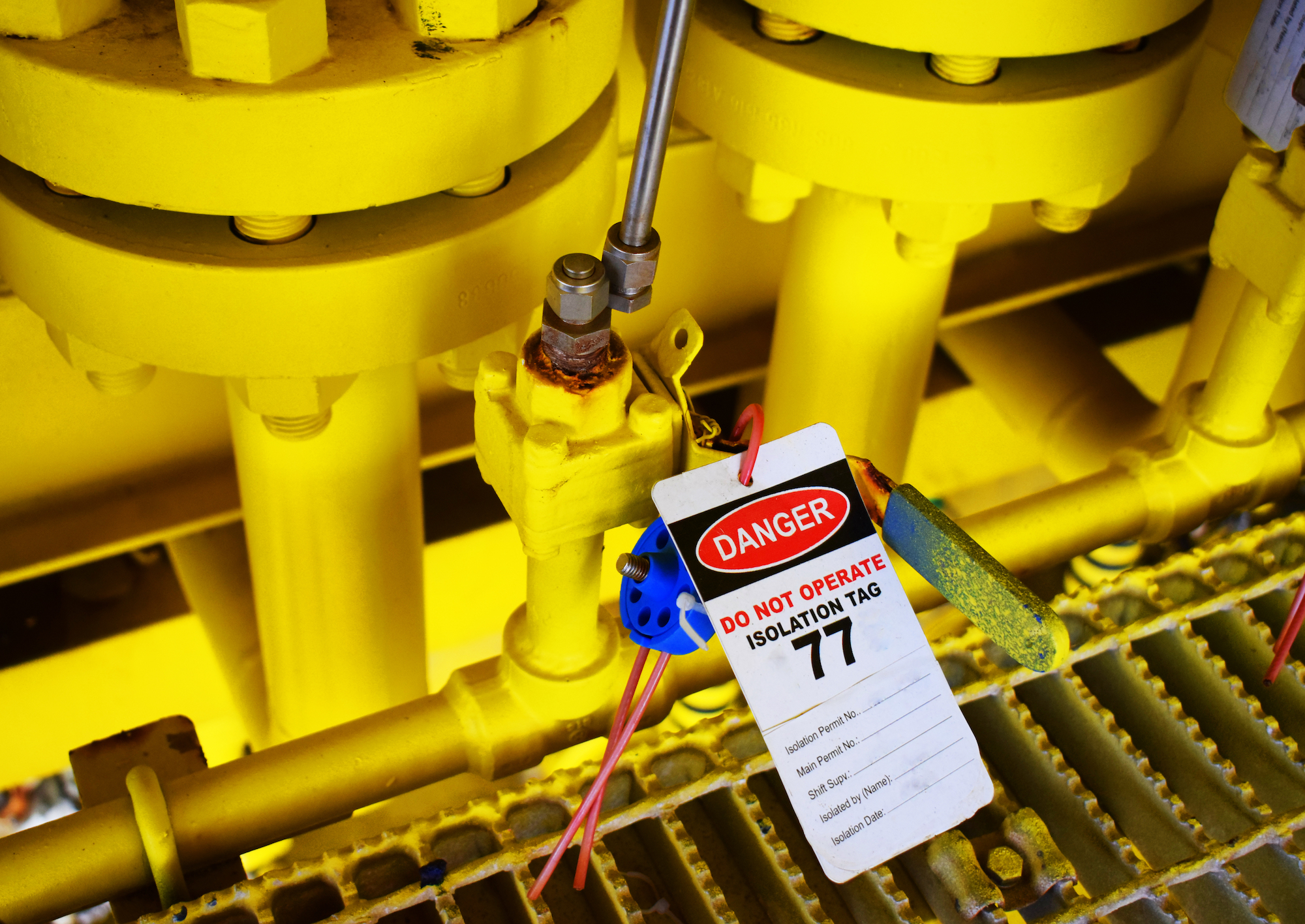
Lockout or Tagout is a safety procedure used to safeguard employees from unexpected startup of equipment and/or machines during service and maintenance work that can result in serious injury or death. A lock or tag is used to indicate that the equipment or energy source…

Read More

Spill Prevention Control and Countermeasures (SPCC)

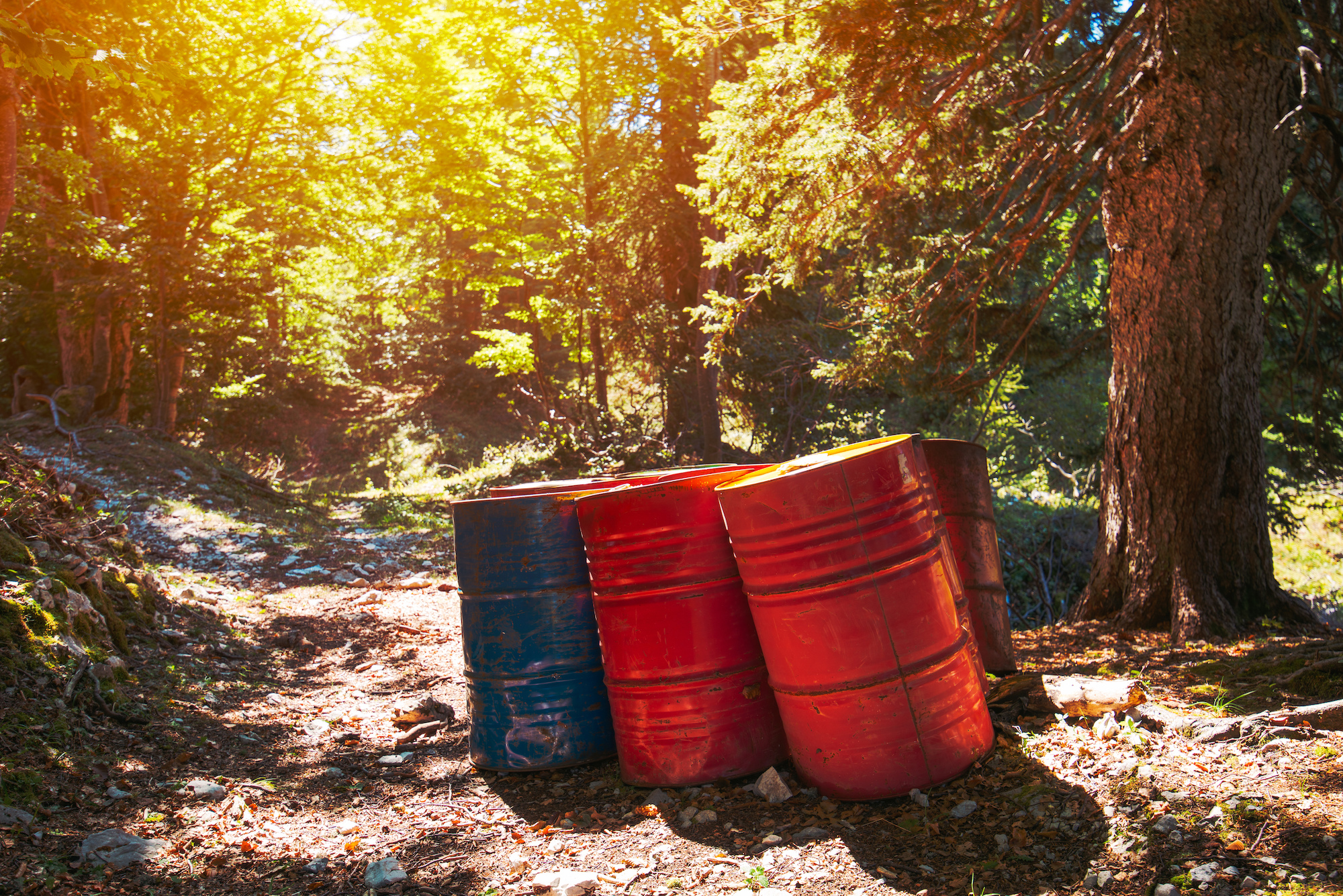
Oil spills endanger public health, impact drinking water, devastate natural resources and disrupt the economy. Spills can happen during production, storage, or transport. Every effort must be made to prevent oil spills, and to clean them up promptly when they occur. Costs associated with spill…

Read More

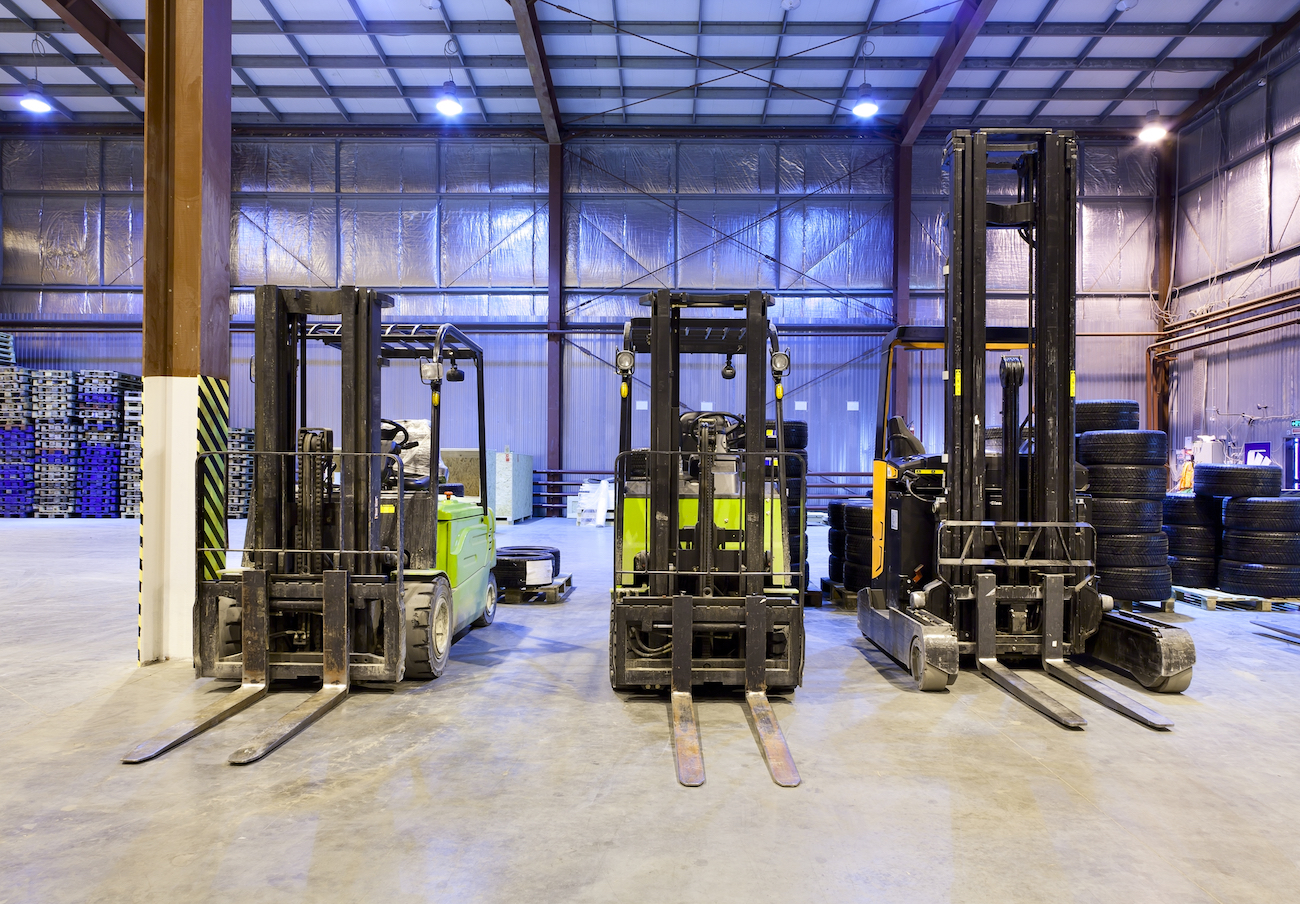
How to Safely Operate a Forklift

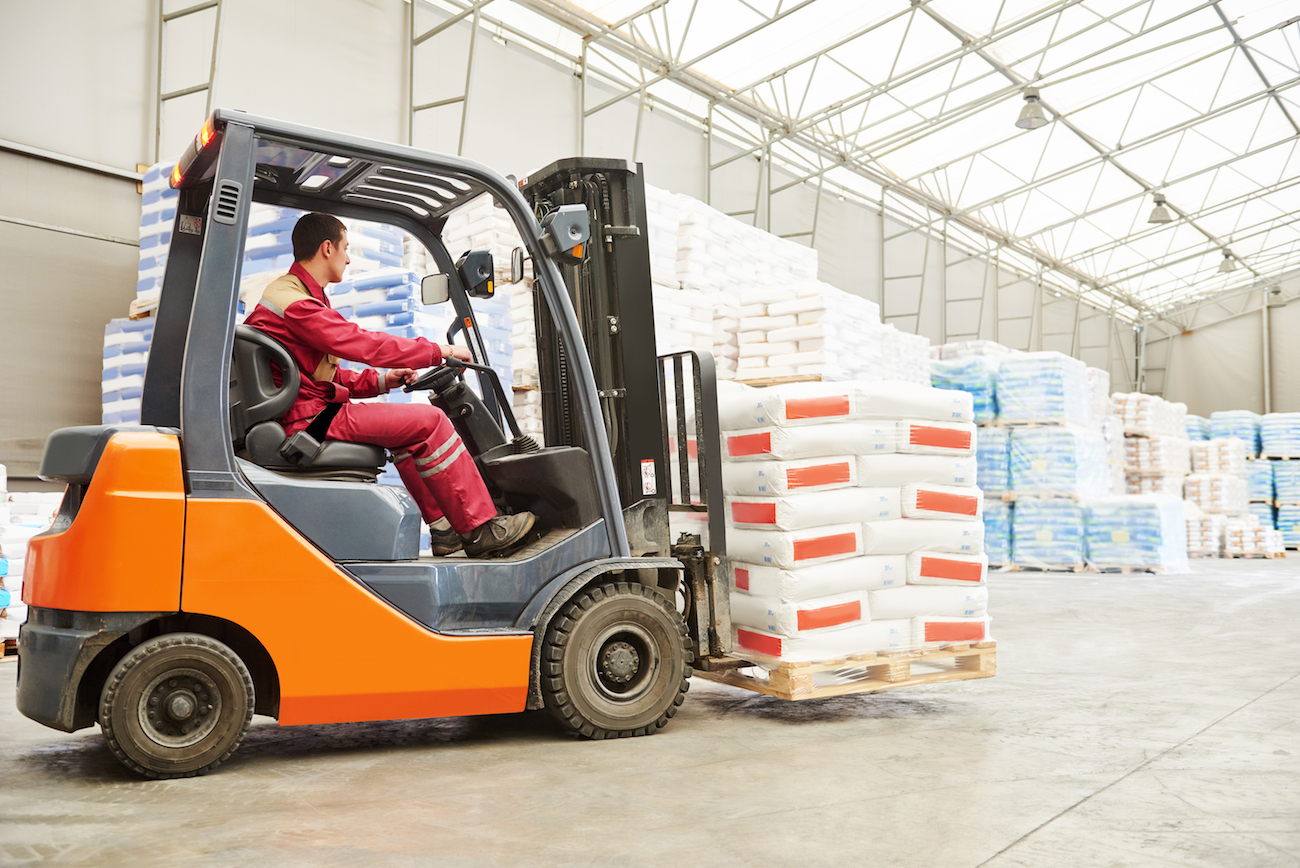
According to OSHA, only trained and authorized operators are permitted to operate powered industrial trucks. Understanding how to operate a forklift (PIT) safely can help avoid injuries and property damage. Complete the pre-operational inspection, and do not operate a forklift that requires repairs. When operating…

Read More

How to Inspect the Forklift

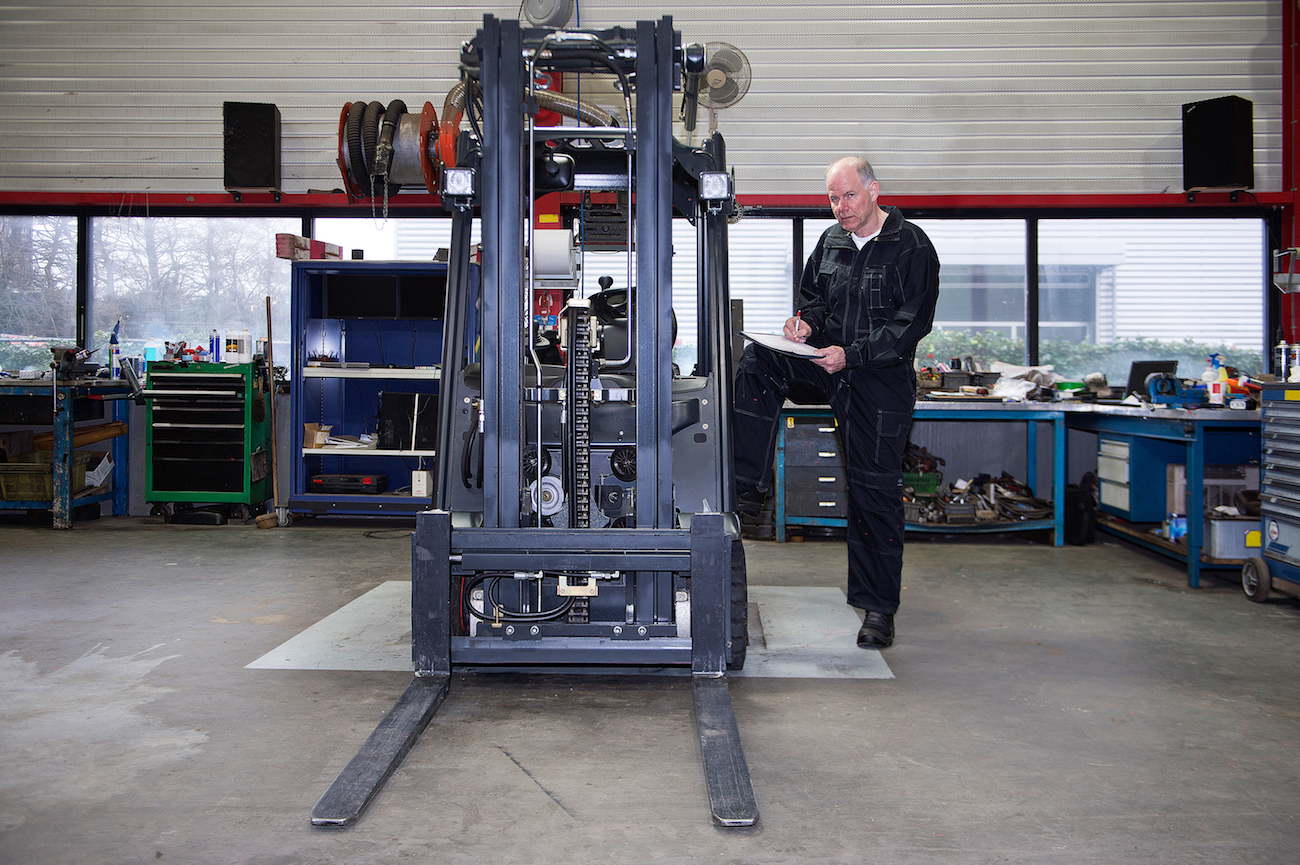
To maintain your Powered Industrial Truck, OSHA requires a complete inspection on a daily basis, before it is placed into service. Forklifts used on a round-the-clock basis, must be examined before and after each shift. If any defects are found during the inspection, the problems…

Read More

The Basics of Forklift (PIT) Operation

No employee should ever operate a forklift without proper training. This training must include: basic safety rules, material handling procedures, safe operating techniques, and driver’s performance testing. Re-training is required: when there is a failure in the safety procedures, an employee is involved in an…

Read More