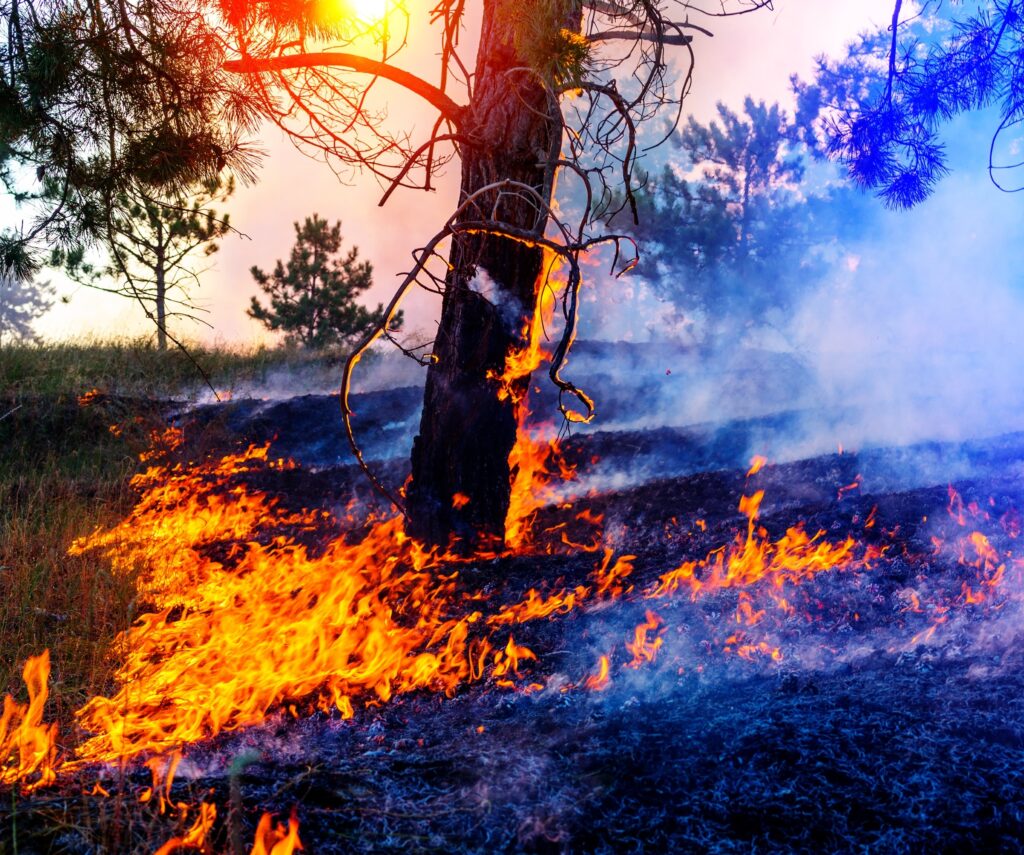
Wildfires can occur anywhere and at any time; they are unpredictable and can cause significant destruction. These fires may be ignited by lightning or strong winds and often go unnoticed at first before spreading rapidly. Preparing for a wildfire evacuation in advance can help reduce confusion and prevent injuries and fatalities.
Discussion Points:
- Understand wildfire risks and conduct a thorough vulnerability assessment.
- Establish emergency communication strategies.
- Create a defensible space around the building.
- Regularly inspect and maintain fire safety equipment.
Discussion:
As wildfires threaten communities and workplaces, it is essential to prepare for evacuation before an emergency occurs. Sign up to receive alerts about potential evacuations, and learn standardized evacuation terminology so you can quickly determine whether to evacuate.
Evaluate your workplace’s wildfire vulnerability by considering factors such as location, nearby vegetation, and climate conditions. Take proactive steps to reduce the risk and implement comprehensive preparedness strategies to enhance safety.
Know your workplace’s wildfire response plan, including evacuation routes and procedures. Participate in training sessions and drills to understand your responsibilities.
Clear brush and debris to create a defensible space around the building. Maintain a minimum clearance of 30 feet around the building by removing dead branches, trimming trees, and clearing any clutter. Establish a five-foot perimeter around the building with noncombustible materials.
Store flammable materials, such as pallets, at least 30 feet from the building. Equip vents with metal screens to block embers, seal gaps in the building, and keep gutters clean. Report any fire hazards to your supervisor immediately.
Regularly inspect fire safety equipment, including extinguishers and alarms, to ensure they function properly. Keep emergency kits stocked with flashlights, cell phones, chargers, portable battery-powered radios, and extra batteries. Establish a communication system for real-time updates during wildfires, using alerts, emails, or an app. Ensure all employees’ contact information is up to date and store important records in a secure, digital location.
Listen carefully to evacuation warnings and leave immediately when directed by authorities. Prepare for heat and embers by wearing long pants, a long-sleeved cotton shirt, and sturdy boots or shoes. Use a dry bandana to cover your face and wear goggles or safety glasses for eye protection.
Close all doors and windows to keep embers out, safely shut down equipment, and promptly follow all evacuation procedures and protocols.
After a wildfire, wait for the all-clear before returning. Once you are back, check for active fires or sparks, and be cautious of downed power lines, exposed electrical wires, or gas leaks. Report hazards to the authorities. Inspect buildings for structural damage and foundation issues. Promoting safety and preparedness can help reduce wildfire risks and protect your workforce and assets.
As always, stay safe out there!