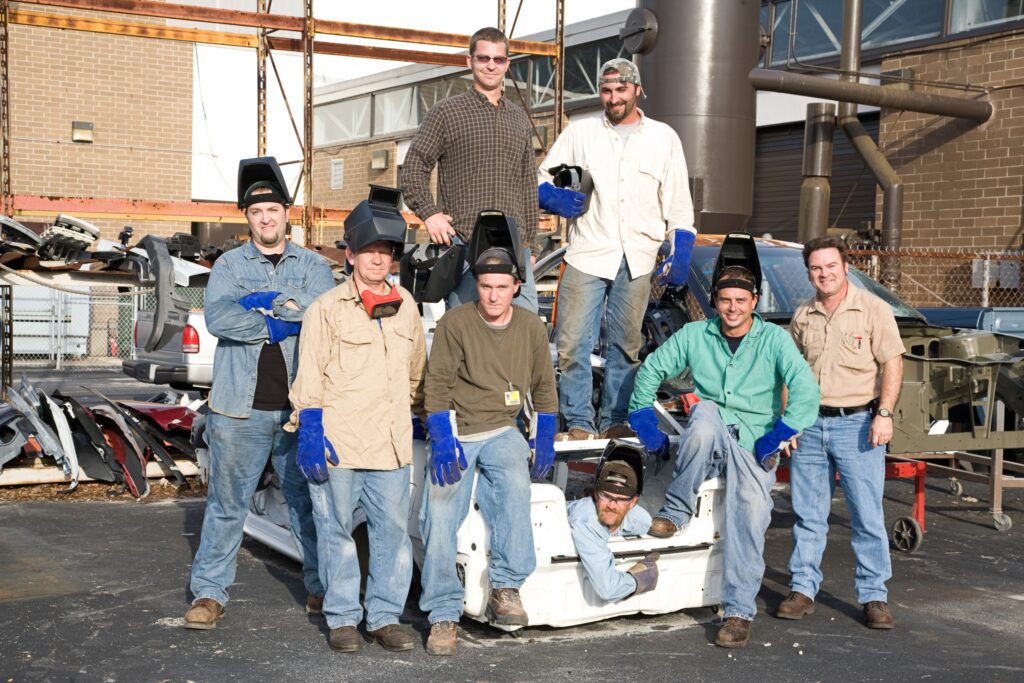
One of the most effective ways to reduce workplace accidents is to foster a culture of safety. This commitment can significantly prevent accidents. When everyone prioritizes safety, there is likely to be a substantial decrease in incidents and an improvement in morale.
Discussion Points:
- Understanding Safety Culture
- Safety Practices
- Employee Engagement
- Incident Reporting
Discussion:
A safety culture refers to the collective attitudes, perceptions, beliefs, and values that shape how individuals prioritize, approach, and engage with safety practices. It goes beyond having safety policies or protocols; it focuses on fostering a commitment among everyone to integrate safety considerations into their daily tasks and decision-making.
A strong safety culture is characterized by open communication, allowing employees to express their safety concerns without fear of retaliation. This open dialogue encourages reporting potential hazards and fosters a collaborative environment where employees are actively involved in safety initiatives, training, and continuous improvement. A strong safety culture boosts employee morale, reduces absenteeism, and increases job satisfaction.
Providing safety training on the first day reinforces that safety is a shared responsibility, not just a list of rules. When employees feel equipped to manage hazards and emergencies, they are more likely to actively promote a culture of safety, report hazards and near misses, and support their co-workers in maintaining safe practices. By prioritizing safety as a core value, we can cultivate a safer, more effective work environment.
Training programs should be tailored to the specific hazards of each role. This approach ensures employees are well-informed about the risks they may face and understand the safety protocols relevant to their work environment. To reinforce learning, hands-on opportunities during training sessions are helpful. These can include practical demonstrations, simulations, and interactive activities that allow employees to engage actively with the material. Incorporating these elements can improve retention of safety concepts and better prepare employees to apply them in real-world situations.
It is essential to document all safety training activities. This documentation should include specific details, such as the dates of training sessions, the topics covered, the names of participants, and any relevant assessments. Maintaining accurate records is crucial for tracking each employee’s training progress and determining when refresher training is necessary to keep everyone up to date on safety practices.
A culture that prioritizes safety increases employee engagement, loyalty, and satisfaction. The benefits of a strong safety culture go beyond compliance; they promote a healthier, more engaged workforce and contribute to organizational success.
As always, stay safe out there!