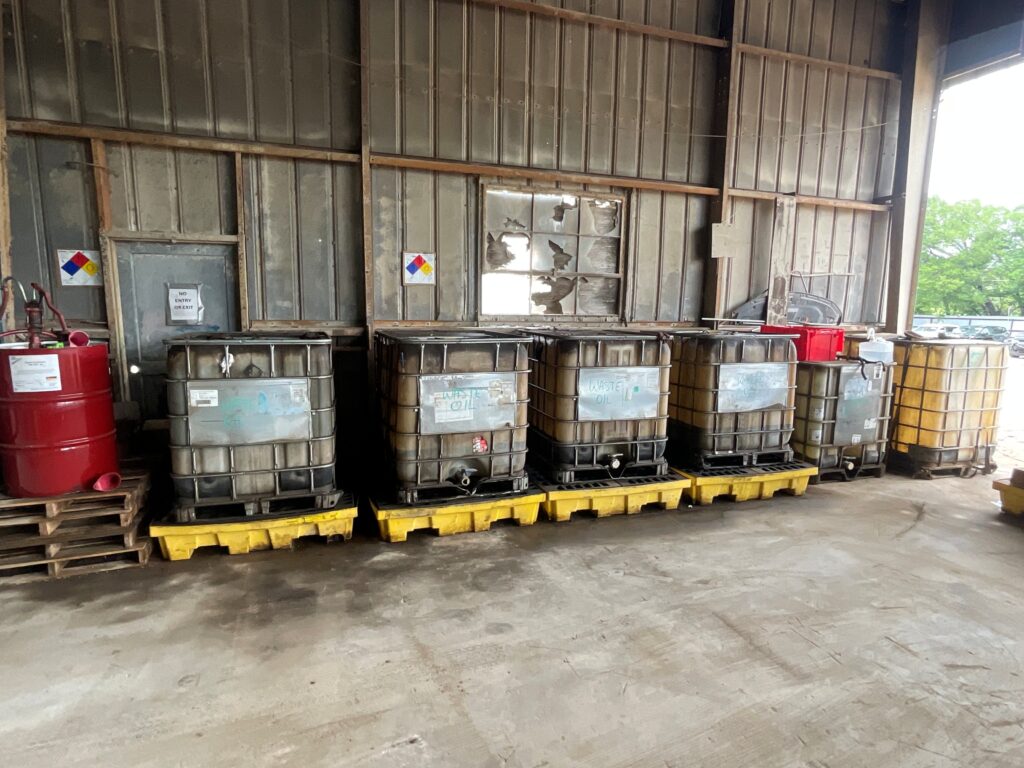
Pollution prevention, often called source reduction, involves a range of practices and strategies aimed at minimizing the generation of pollutants at their source. This proactive approach focuses on altering production processes, promoting the use of less harmful substances, and implementing efficient methods to significantly reduce waste and emissions before they are recycled, treated, or disposed of.
Discussion Points:
- Understanding Pollution Sources.
- Pollution Prevention Regulations and Standards.
- Strategies to Minimize Environmental Impacts.
- Methods of Tracking Progress in Pollution Reduction Efforts.
Discussion:
The Environmental Protection Agency (EPA) Waste Management Hierarchy shows that pollution prevention (P2) is often preferable to traditional methods such as recycling, treatment, and waste disposal. P2 emphasizes proactive measures that aim to eliminate or reduce the generation of pollutants at the source, rather than addressing waste after it has been created. By implementing pollution prevention strategies, we can significantly reduce the amount of harmful substances entering the environment. This reduction in pollution is directly correlated with improved outcomes for both human health and the ecosystem. When less pollution is produced, the risks of exposure to toxic materials and the adverse effects on wildlife and natural resources are greatly diminished, underscoring the importance of prioritizing pollution prevention in our waste management practices.
For generated waste, the preferred management methods are recycling, energy recovery through combustion, treatment, and safe disposal or release of chemical waste into the environment. This order of preference, known as the Waste Management Hierarchy, aligns with national policy established by the Pollution Prevention Act of 1990.
Pollution prevention practices include the following strategies to minimize environmental impact:
- Collect and properly dispose of fluids such as oil, coolant, brake fluid, and transmission fluid. Use drip pans and secondary containment to prevent spills and leaks.
- Reduce waste generation by recycling metals, plastics, and glass parts. Sorting materials for recycling not only reduces landfill waste but also conserves resources.
- Keep all processing equipment properly maintained to avoid leaks and malfunctions. Regular inspections can detect potential issues before they escalate, minimizing the risk of accidental spills.
- Use non-toxic or less-toxic chemicals for cleaning, degreasing, and other maintenance.
- Install retention ponds or permeable surfaces to manage stormwater runoff effectively and prevent contaminants from entering local waterways.
- Reuse drums and pallets rather than disposing of them as waste.
By addressing pollution at its source, these practices not only contribute to environmental sustainability but also improve public health and safety by reducing the overall presence of pollutants in the air, water, and soil. Ultimately, pollution prevention fosters a more sustainable and responsible relationship between human activities and the natural environment.
As always, stay safe out there!