
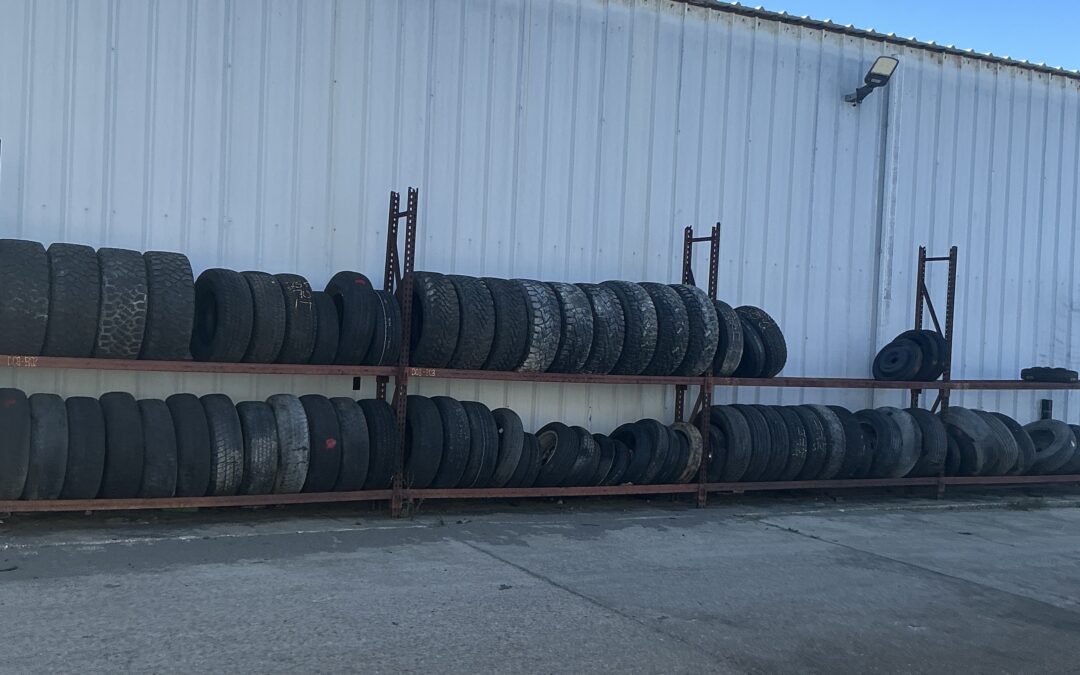
Scrap tire storage must adhere to strict fire safety regulations, mandatory vector control measures, and environmental protocols set by various agencies. 48 states have specific laws addressing scrap tire management, including guidelines for storage, collection, processing, and utilization.
Discussion Points:
- Regulations governing the management of scrap tires.
- Storage Protocols and Safety Measures.
- Annual reports regarding the end-use or disposal of tires.
Discussion:
Scrap tire storage involves collecting and storing used or discarded tires that are no longer suitable for vehicle use. Proper management ensures that tires are stored safely and organized, minimizing environmental hazards, such as leaching materials into the soil or water sources, and reducing fire hazards.
Established guidelines provide instructions for stacking, containing, and rotating tires to prevent degradation. Regulations also specify the maximum storage duration for tires, requiring regular assessments to ensure timely processing or disposal.
Storage Protocols and Safety Measures:
- Any site with more than 500 tires on the ground or more than 2,000 in containers must be registered.
- Indoor piles or bins cannot exceed 12,000 cubic feet and must have an aisle at least 10 feet wide.
- All used tires, scrap, and tire pieces stored outside must be screened from public view.
- Outdoor piles cannot exceed 15 feet in height or 8,000 square feet in area.
- Piles must maintain a minimum distance of 25 to 50 feet from property lines and buildings to create fire breaks.
- A 40-foot-wide separation must be maintained between outdoor piles, serving as a fire lane to ensure emergency vehicles have easy, unobstructed access.
- Must comply with local fire codes that require a minimum number of fire extinguishers or hydrants.
- Consider storing tires on racks, neatly stacked, in roll-off containers, front-load dumpsters, or other metal storage containers, and cover to prevent water accumulation. Eliminate mosquito breeding and sun exposure, as these accelerate degradation.
- Tires must be split or shredded within 90 days of arrival for proper processing.
- Conduct routine inspections of the stored tires to detect signs of degradation, pest infestations, or other hazards.
- Maintain accurate records of the quantity and condition of stored tires.
- Authorized and registered haulers must transport tires, and a paper trail must be maintained for their disposal.
Registered facilities are required to submit annual reports that outline the number of tires they have received and their final destinations for end-use or disposal. To find specific local requirements, you can refer to the Environmental Protection Agency (EPA) Scrap Tire Laws by State or reach out to your state’s environmental quality department.
As always, stay safe out there!
Recent Comments