
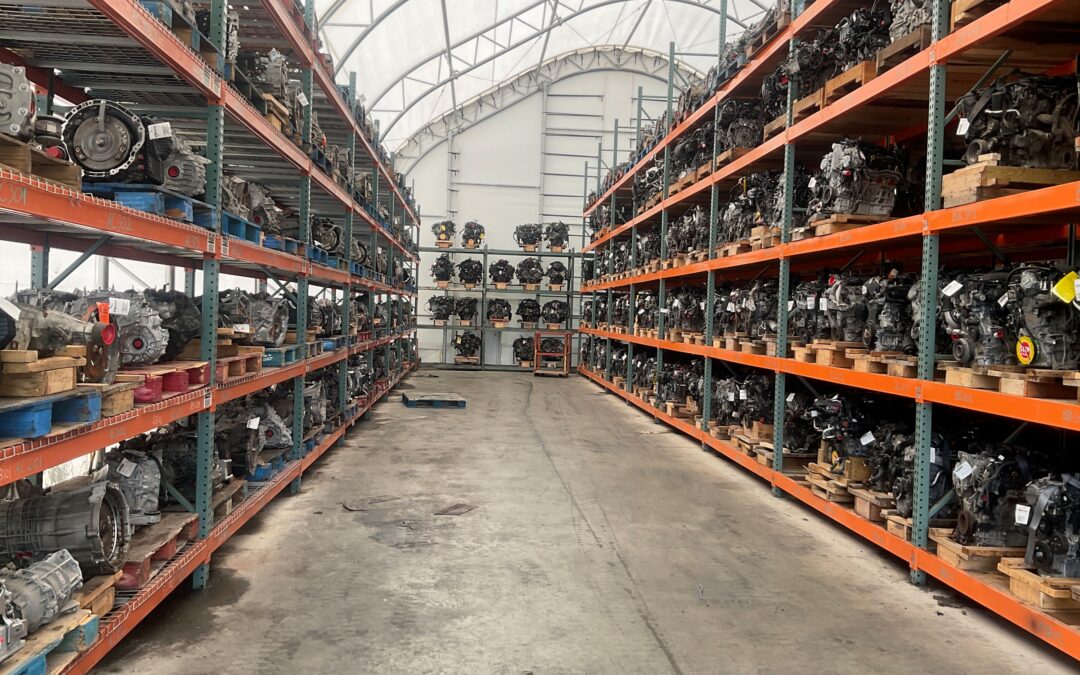
When storing heavy items on racks, it is crucial to check the rack’s load ratings. Exceeding these ratings can result in accidents, injuries, and damage to both the items stored on the rack and the rack itself.
Discussion Points:
- Manufacturer’s guidelines and specifications for racking.
- OSHA requirements for racking systems.
- Guidelines for Storing Items on Racks.
Discussion:
When evaluating shelving or storage racks, understanding load ratings is essential. These ratings indicate the maximum weight a rack can safely support without losing stability. Load ratings are determined by factors such as the construction materials, rack design, and the distribution of weight across the shelves. It is essential to carefully review the manufacturer’s guidelines and specifications for each rack to ensure compliance and confirm that it is being used within its load rating limits.
The Occupational Safety and Health Administration (OSHA) requires that racking systems be structurally sound, properly anchored, and clearly labeled with maximum load capacities. There are specific regulations on aisle clearance, stability, and regular inspections to safeguard workers from hazards such as collapses or falling materials.
All personnel involved in the storage process will receive proper training before performing any racking tasks. You must have a clear understanding of proper storage procedures, load ratings, safe loading and unloading practices, equipment operation, and hazard recognition.
Guidelines for Storing Items on Racks:
- Always check the manufacturer-provided load capacity plaques displayed at the end of each aisle. Never exceed this load capacity.
- Never change beam levels or rack configurations without re-evaluating capacity with the manufacturer.
- When placing items on the racks, distribute the weight evenly across the available space. Use all available rack levels efficiently. Place heavier items on the bottom shelves to lower the center of gravity, while lighter items can be stored higher up. This arrangement contributes to better balance and safety.
- Ensure that all items are stored securely. Use straps or ties, especially for larger or irregularly shaped items. This helps prevent them from shifting or falling off the rack.
- Place items to ensure sprinkler clearance of at least 18 inches below sprinklers.
- Conduct periodic checks on the racks to identify any signs of wear, damage, or overloading. Report any issues immediately to your supervisor to maintain safety standards and prolong the life of the racks.
- Maintain clear access to all items stored on the racks. Ensure that aisles are free of clutter and that items are stored so they can be retrieved without the risk of falling. Ensure adequate space for forklifts, with a minimum width based on the equipment.
By adhering to these guidelines, you can maximize safety and efficiency when storing items on racks while ensuring compliance with load ratings. Remember always to prioritize safety when loading racks.
As always, stay safe out there!
Recent Comments