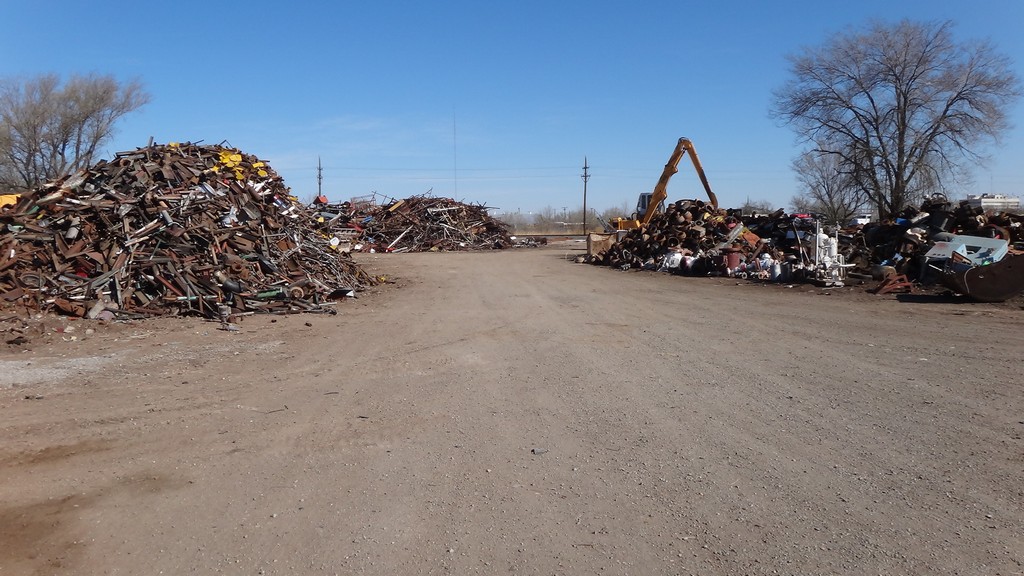
Every employee is responsible for maintaining a clean, safe workspace. By implementing effective yard housekeeping practices, we can significantly reduce workplace hazards and prevent injuries.
Discussion Points:
- Identify potential risks in outdoor workspaces.
- Implement strategies for effective yard housekeeping.
- Prioritize safety and adhere to yard housekeeping guidelines to prevent incidents and injuries.
- Clarify each team member’s responsibilities.
Discussion:
Implementing and maintaining effective yard housekeeping practices is crucial to promoting a safe, organized workplace. These practices help reduce the risk of accidents and injuries by keeping walkways clear, properly storing materials, disposing of waste responsibly, and maintaining an orderly environment. They are also vital for preventing environmental damage by minimizing the risk of spills, contamination, and the entry of hazardous materials into the surrounding ecosystem.
Here are some yard housekeeping guidelines to reduce the risk of trips, falls, and fire hazards:
- Perform routine yard inspections to identify hazards, including spills, debris, and equipment malfunctions. Be vigilant about issues such as improper material storage, debris buildup, tripping hazards, and other workplace hazards.
- Establish clear procedures for disposing of waste and hazardous materials. Use appropriate containers and ensure they are regularly emptied and maintained. Implement a schedule to remove waste, scrap materials, and debris.
- Store materials properly to keep walkways, ramps, stairways, and emergency exits clear.
- Store materials and equipment in designated areas to reduce clutter. Utilize shelving, bins, and pallets to keep smaller items organized and off the ground. For oversized materials and scrap, create designated piles or stack them securely to prevent any falling hazards. Use drip pans and guards as needed.
- Store flammable and hazardous materials in designated areas that are away from buildings and ignition sources.
- Follow protocols for storing and handling hazardous materials. Ensure that appropriate signage is displayed and that Safety Data Sheets (SDSs) are readily available for all chemicals.
- Maintain emergency response materials in the yard, such as spill kits and fire extinguishers. Ensure these items are easily accessible and that employees know how to use them.
- Park vehicles, forklifts, and other large equipment in designated areas to keep maneuvering lanes clear.
- If you have any concerns about safety or yard housekeeping practices, please communicate them to your supervisor.
- Attend regular training sessions and meetings focused on yard safety and incident prevention.
A well-maintained yard enhances operational efficiency, demonstrates commitment to safety and environmental protection, and fosters a culture of responsibility across the organization. By following these guidelines, we can promote a safer work environment and significantly reduce the risk of accidents.
As always, stay safe out there!