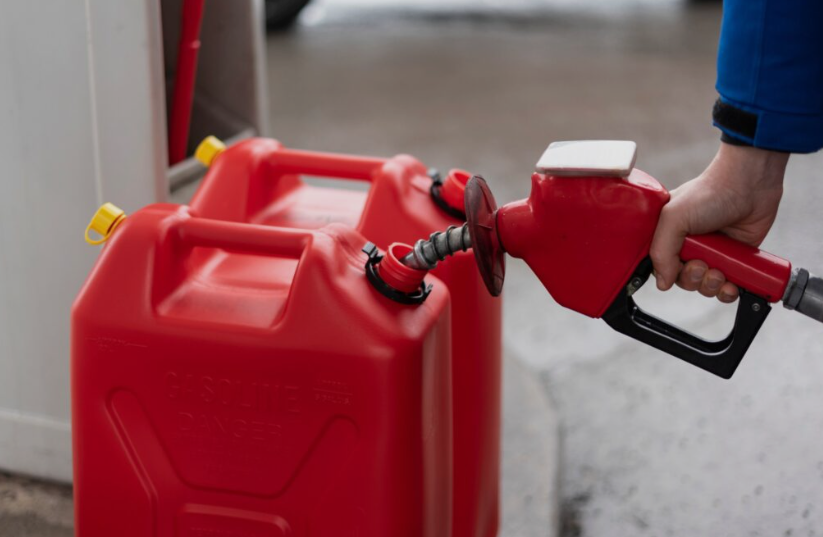
Carrying extra fuel in your truck can be helpful during emergencies; however, it increases the risk of fire, fumes, spills, and legal issues. Following safety guidelines is essential to minimize these risks and ensure compliance.
Discussion Points:
- DOT regulations for approved portable containers.
- Hazards and risks associated with transporting extra fuel.
- Safety guidelines to mitigate the risks of carrying extra fuel in your truck.
Discussion:
Carrying extra fuel in your truck can provide significant benefits, especially on long trips or in remote areas. However, this practice also carries increased risks, including fire hazards, toxic fumes, spills, and potential legal issues related to fuel transport regulations.
To minimize the risks associates with carrying extra fuel in your truck, follow these safety guidelines:
- Use Department of Transportation (DOT)-approved portable containers with a maximum capacity of 5 gallons, equipped with a flash-arresting screen, a spring-closing lid, and a spout cover.
- Ensure that the fuel container complies with safety regulations and is properly labeled. Different jurisdictions have specific regulations regarding the transportation of fuel.
- Securely fasten the container to your truck to prevent any movement during transit. Use sturdy tie-down straps or bungee cords to keep the container upright and stable. Always store fuel outside the cabin to avoid exposure to fumes.
- Keep containers away from heat sources, including exhaust systems, catalytic converters, heater ducts, and direct sunlight.
- While Jerry cans are suitable for temporary storage, auxiliary tanks are a safer and preferred option.
- Always keep a fire extinguisher easily accessible in the truck.
- Before filling the container with fuel, turn off the engine and all electronic devices. Close the truck door, then remove the container and place it upright on the ground to prevent a buildup of static electricity while filling. Ensure there is a safe distance between the container, the truck, customers, and any traffic. Do not smoke or use your cell phone during this process.
- Fill containers at the pump. Maintain contact between the nozzle and the container during filling. Do not transfer fuel between containers. Fill the container to about 95% capacity to allow for expansion, and secure the cap tightly.
- When refueling from the container, turn off the engine and let it cool down. Start the truck only after removing the container and allowing any fumes to dissipate. Keep a fire extinguisher close during this process.
- Regularly check containers for leaks, deterioration, or damaged seals. If you notice any damage, notify your supervisor for a replacement container.
By taking these precautions, you can help protect yourself, your truck, and the environment from the risks associated with transporting extra fuel. Additionally, being mindful of your surroundings and adhering to local regulations can enhance both safety and compliance while carrying extra fuel.
As always, stay safe out there!