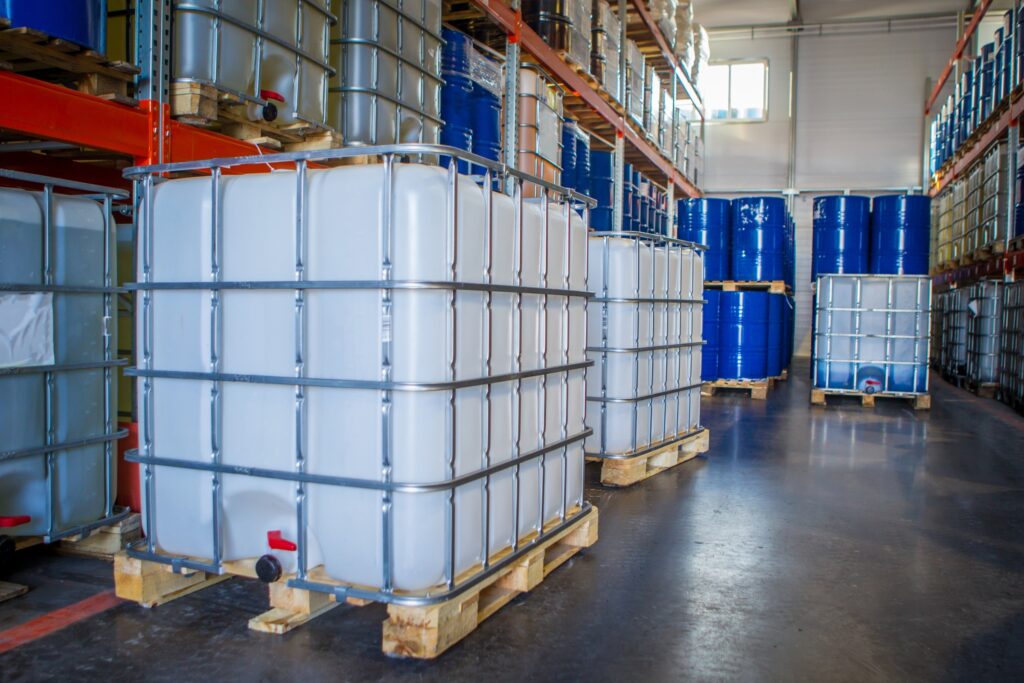
Fluid storage containers are essential in many industries for storing everything from potable water to hazardous chemicals. These containers are available in various shapes, sizes, and materials to meet the specific needs of different substances and environmental requirements.
Points:
- Types of fluid containers.
- Materials used for constructing fluid containers.
- Types of fluids stored.
- Methods for measuring fluid levels.
Discussion:
There are several options for storing fluids, including plastic containers, metal drums, and stainless-steel tanks. Containers intended for hazardous chemicals typically need to be made from materials that can withstand aggressive reactions, such as high-density polyethylene or specialized alloys.
Plastic containers are lightweight, durable, and cost-effective, making them ideal for storing a variety of fluids. Metal drums are often used for hazardous materials or industrial fluids because they offer better protection against corrosion and leakage. Tanks can be made from materials such as polyethylene, stainless steel, or fiberglass, all of which provide durability and corrosion resistance. Plastic or polyethylene tanks are versatile and come in various shapes and thicknesses, making them suitable for storing water or chemicals. The material must be compatible with the fluid being stored, and in some cases, acid-resistant liners may be necessary. Additionally, secondary containment is essential to prevent environmental damage.
Horizontal tanks are well-suited for storing large volumes and are commonly used for fuels, but they require more ground space. Double-walled tanks include a secondary shell that captures any leaks, which is particularly important when handling hazardous materials.
The selection process for containers considers several factors, including the type of fluid stored, required capacity, environmental conditions, and safety regulations. Features such as built-in monitoring systems, spill containment, and easy access for filling and maintenance improve functionality.
When using fluid storage containers, monitoring the liquid level is crucial to ensure there’s enough fluid and to prevent overflow or leakage. Methods for measuring fluid levels include visual inspection, level gauges, and sensors.
Visual inspections are an inexpensive and straightforward way to check fluid levels by estimating them from markings. However, it can be unreliable, especially for large or opaque containers.
Level gauges provide more accurate measurements. These devices, including gauges and dipsticks, enable simple visual assessment of fluid levels. Each gauge consists of a float connected to a visual indicator, making the liquid level easy to see. Gauges equipped with alarms alert users to low or high fluid levels.
Sensors inside the containers measure fluid levels and wirelessly transmit data for real-time tracking, enhancing inventory management and preventive maintenance. Electronic sensors, such as radar and ultrasonic, provide continuous, automated level data critical for large tanks, while monitoring the space above for vapor recovery or inert gas blanketing.
Overall, fluid storage containers are essential in many industries and applications. Selecting the appropriate container and using effective monitoring systems helps ensure safe and efficient fluid storage.
As always, stay safe out there!