
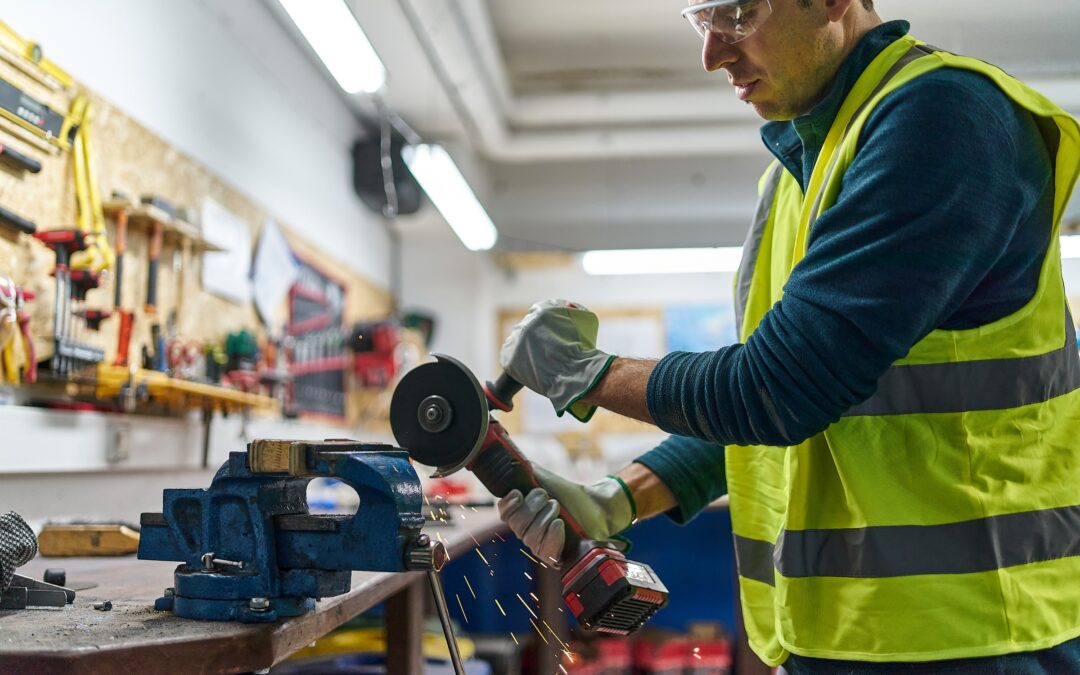
Establishing an efficient workspace is vital for boosting productivity and achieving success in any job or project. Implementing best practices can significantly enhance focus, minimize distractions, and improve output.
Discussion Points:
- Organize your workspace.
- Follow all safety protocols.
- Conduct regular inspections and perform routine maintenance.
- Ensure all equipment is functioning correctly.
- Use and maintain the appropriate personal protective equipment.
Discussion:
Effectively managing your workspace is essential to creating an environment that enhances your efficiency in completing tasks. Here are some best practices to improve your workspace, boost your productivity, and position yourself for success:
- Organize your workspace and keep it tidy. A clutter-free environment helps clear your mind and reduces distractions.
- Identify potential distractions, such as noise or clutter, and take steps to minimize them.
- Ensure there is adequate ventilation and lighting to prevent accidents and injuries.
- Clearly mark walking paths separately from work areas using OSHA floor marking guidelines, and ensure the walkways are free of materials to prevent falls.
- Ensure emergency exits are accessible and clearly marked.
- Follow safety protocols when handling hazardous materials and sharp objects.
- Use a systematic approach to separate materials into clearly labeled bins or containers, preventing contamination and ensuring proper disposal.
- Store chemicals and other hazardous materials in labeled, sealed containers, away from heat sources and sunlight, in properly labeled cabinets, and keep an inventory of safety data sheets (SDSs).
- Store parts indoors or outdoors under cover, on racks or pallets over concrete; place and secure heavy items on lower shelves; and ensure everything has a designated spot.
- Ensure that all machinery and equipment operate efficiently and comply with environmental regulations.
- Make sure machine guards are in place and used correctly at all times.
- Organize cords and cables to prevent falling hazards and avoid overloading electrical circuits.
- Conduct regular inspections, test emissions, and maintain equipment. Follow Lock-Out/Tag-out (LOTO) procedures when performing maintenance.
- Keep trash picked up and disposed of in closed containers, and emptied daily.
- Wear required personal protective equipment (PPE) for the task.
- Stay informed about and follow local, state, and federal waste management and recycling regulations.
- Take regular short breaks in a dedicated area away from the working environment.
- Follow procedures for reporting unsafe conditions, near-misses, or injuries to your supervisor immediately.
- Attend all safety training sessions and safety meetings to stay up to date on rules and regulations.
Implementing these best practices will enhance operational efficiency, ensure safety, and promote environmental sustainability.
As always, stay safe out there!
Recent Comments