
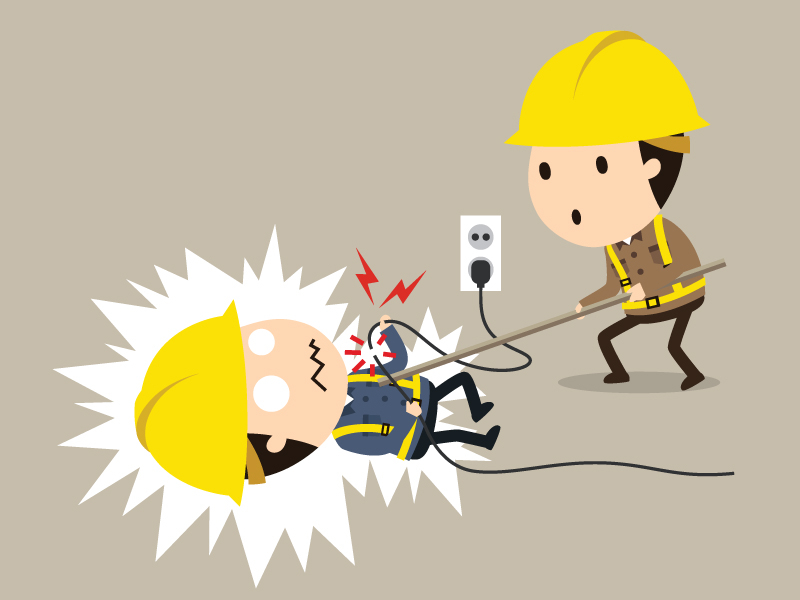
Identifying the leading causes of work-related injuries is essential for improving workplace safety. To reduce these risks, it’s important to follow established safety measures. By fostering a culture of safety, we can significantly decrease the likelihood of work-related injuries and enhance employee well-being.
Discussion Points:
- The most common causes of work-related injuries.
- Injury prevention strategies.
- Prioritizing workplace safety.
Discussion:
Millions of workers sustain work-related injuries each year, which can significantly impact their health, well-being, and ability to continue working. These injuries can result from various causes, some of which are more common than others. Work-related injuries stem from numerous factors, each increasing the risk of accidents and health problems. Here are some of the most frequent causes of work-related injuries:
- Wet floors, cluttered workspaces, and uneven surfaces are common causes of slips, trips, and falls. These incidents can lead to serious injuries, such as fractures, sprains, strains, and concussions.
- Ladder misuse, resulting in falling from a ladder, resulting in fractures or other traumatic injuries.
- Improper lifting techniques and handling heavy objects can result in musculoskeletal injuries, including strains and sprains, especially affecting the back, shoulders, and knees.
- Pushing the body beyond its limits, as in physically demanding jobs, can lead to injuries from exhaustion, poor form, and insufficient rest breaks.
- Being struck by objects, getting caught in machinery, or colliding with equipment can lead to cuts, bruises, and fractures.
- Malfunctioning or improperly used machinery can cause severe injuries. A lack of proper training on equipment or failure to follow safety protocols increases these risks.
- Workers may be exposed to toxins, bacteria, radiation, or excessive noise, all of which can be hazardous.
- Jobs involving repetitive tasks can lead to injuries like carpal tunnel syndrome or tendinitis, impacting workers’ long-term health.
- Incidents involving violence or harassment can threaten employee safety and mental health, resulting in physical and psychological injuries.
- Poor lighting, extreme temperatures, and hazardous materials can create unsafe working conditions, leading to injuries or long-term health problems.
- Unexpected startup or release of stored energy can cause serious injuries or fatalities.
- Accidents involving company vehicles or work-related road travel can pose significant risks.
Preventing work-related injuries depends heavily on implementing appropriate safety measures. Injury Prevention Strategies:
- Keep work areas clean and organized.
- Ensure proper maintenance of equipment.
- Use appropriate Personal Protective Equipment (PPE).
- Conduct regular safety training and risk assessments.
- Use correct lifting techniques.
- Follow proper lockout/tagout (LOTO) procedures.
Work-related injuries can significantly impact a person’s life. Therefore, it’s crucial to prioritize workplace safety and follow safety protocols to prevent injuries. By taking proactive steps to reduce these risks, we can foster a safer work environment.
As always, stay safe out there!
Recent Comments