
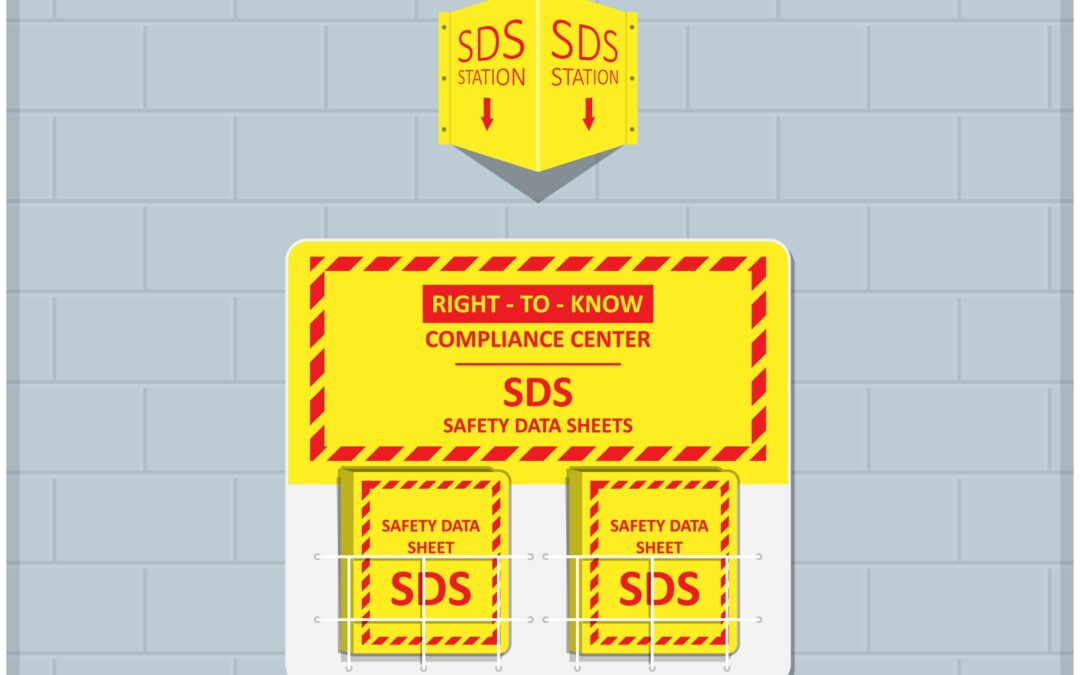
A Safety Data Sheet (SDS) identifies the hazards associated with chemicals, provides guidance on safe handling procedures, and includes emergency response information. It is essential for ensuring regulatory compliance, protecting the environment, and preventing accidents and injuries. By following the guidelines outlined in the SDS, we can minimize risks and operate more safely and efficiently.
Discussion Points:
- Define the purpose of the Safety Data Sheet in communicating the hazards of chemical substances.
- Understand how to read and interpret SDS information.
- Look at how the SDS helps create a safer work environment.
Discussion:
The Occupational Safety and Health Administration (OSHA) requires manufacturers and importers to provide Safety Data Sheets (SDSs) to employers who handle hazardous chemicals. These documents are essential for understanding chemical hazards and ensuring workplace safety.
Supervisors must ensure employees understand the potential hazards of the chemicals they may handle. Employees should have immediate access to the SDSs for all hazardous chemicals in the workplace. SDSs are available through eComply®, and a physical copy of each SDS is kept onsite in case the computer is unavailable or not working.
Employees must complete hazardous chemical training through eComply, with annual reinforcement provided through toolbox talks and other safety meetings. Understanding the significance of an SDS is essential for the safe handling of chemicals and for protecting employee health and the environment.
The SDS contains vital information, including the chemical’s identification, hazard classifications, safe handling procedures, storage requirements, potential health effects from exposure, symptoms to monitor, first-aid procedures, and recommended personal protective equipment to minimize contact with hazardous materials.
The SDS is a vital resource for employers, employees, and emergency responders, as it highlights potential risks and safety measures associated with workplace chemicals. It provides essential information for employees who may be exposed to these substances, helping them understand the associated risks.
The SDS provides comprehensive guidance on safe handling and emergency response procedures, enabling employees to act quickly and effectively in the event of an accident or exposure. In the event of a spill, exposure, or accident, the SDS outlines essential guidelines for appropriate responses and first-aid measures to help reduce risks and improve overall safety.
The SDS is organized into 16 sections that align with the Globally Harmonized System (GHS). This standardized format makes it easier for workers to locate the necessary information during emergencies and everyday tasks quickly. Overall, Safety Data Sheets play a significant role in fostering a safer workplace and promoting a culture of safety awareness and responsibility among employees who handle hazardous substances.
As always, stay safe out there!
Recent Comments