
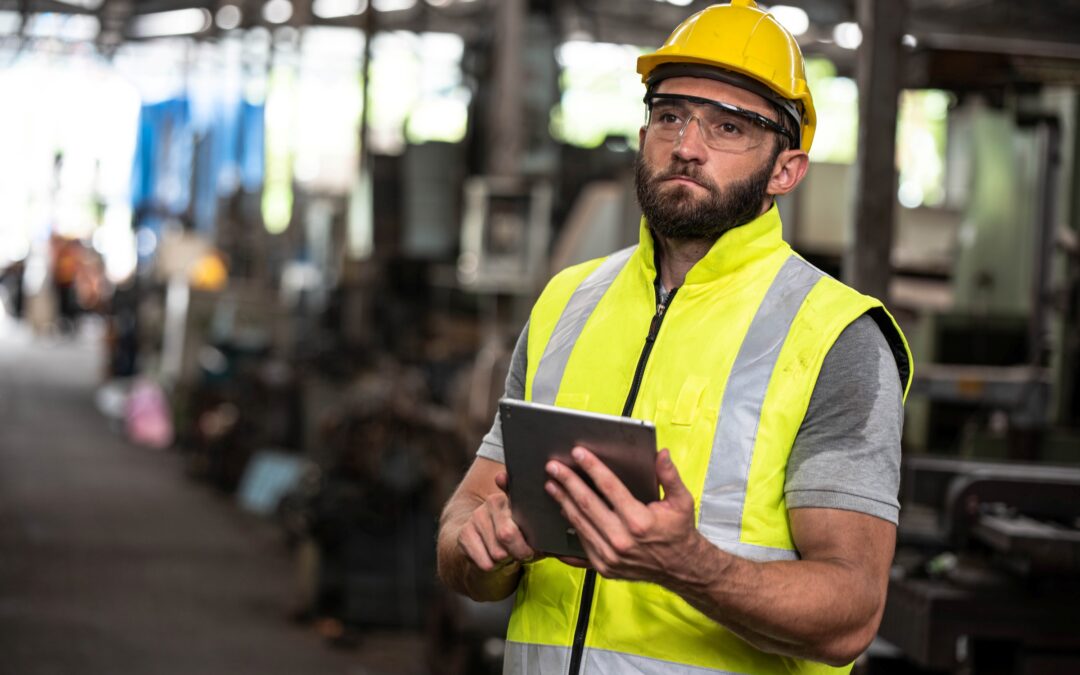
An important yet often overlooked aspect of workplace safety is the clothing we wear. Safety regulations, weather conditions, the nature of the job, and potential hazards all influence the type of clothing that is appropriate for various tasks. It is crucial to consider how clothing can impact job safety.
Discussion Points:
- Potential hazards associated with loose-fitting clothing and various materials.
- Safety regulations and standards governing clothing in the industry.
- Selecting suitable clothing for different weather conditions.
- Essential Clothing Precautions.
Discussion:
Wearing the proper clothing is crucial for preventing potential injuries. Appropriate work attire serves as your first line of defense against workplace hazards, whether physical, chemical, or environmental. Proper clothing also provides a barrier against the elements, making it essential for both your safety and overall health. Extreme weather conditions, such as high heat, cold, rain, or wind, can pose serious risks; therefore, choosing attire suitable for these conditions is vital.
Comfort is just as important, as it can directly impact your ability to perform tasks effectively. When selecting work attire, consider the fabric, fit, and functionality. Lightweight, breathable materials are perfect for warm weather, while insulated layers are essential in colder conditions. Additionally, make sure your clothing allows a full range of motion so you can complete tasks without restriction.
Ensuring you are clearly visible to others is vital for overall job site safety. There are various types of high-visibility clothing available that meet ANSI/ISEA standards. These garments come in a variety of bright colors, and the reflective tape is specifically designed to help others identify you rather than mistake you for brightly colored equipment.
Essential Clothing Precautions:
- Ensure your clothing fits properly. Avoid wearing loose garments that could snag or catch on equipment.
- Do not wear clothing with tears or holes, as this can lead to entanglement in machinery.
- Be careful with cuffs on pants, as they can catch objects and cause falls.
- Avoid strings on hooded sweatshirts and neckties near rotating machinery.
- Refrain from wearing belts that might snag on moving parts.
- Keep clothing clean; oil or chemical-soaked clothes can cause skin problems.
- Make sure your clothing is flame-resistant, acid-resistant, and fireproof.
- Wear sturdy leather boots with rubber soles and steel toes for protection.
- Wear long pants and long-sleeved shirts in areas with poison ivy or insects.
- Bring extra clothes in case of spills or wet conditions. If contaminated, remove clothing starting with the garment closest to your head and working downward.
- Be ready to change or add clothing as needed for specific tasks.
- If you work with hazardous materials, use appropriate coveralls or an apron.
- Avoid wearing rings, bracelets, and chains that could catch in equipment.
Wearing proper clothing not only improves your safety but also helps you stay focused and work more efficiently. Choosing the appropriate attire for your work environment and weather conditions is essential for both comfort and safety on the job.
As always, stay safe out there!
Recent Comments