From the blog

Category: <span>Transportation</span>

Read our latest articles on compliance, recycling, inspections, and field practices from JEM's experience working with facilities across the industry.

Read our latest articles

Brake Safety

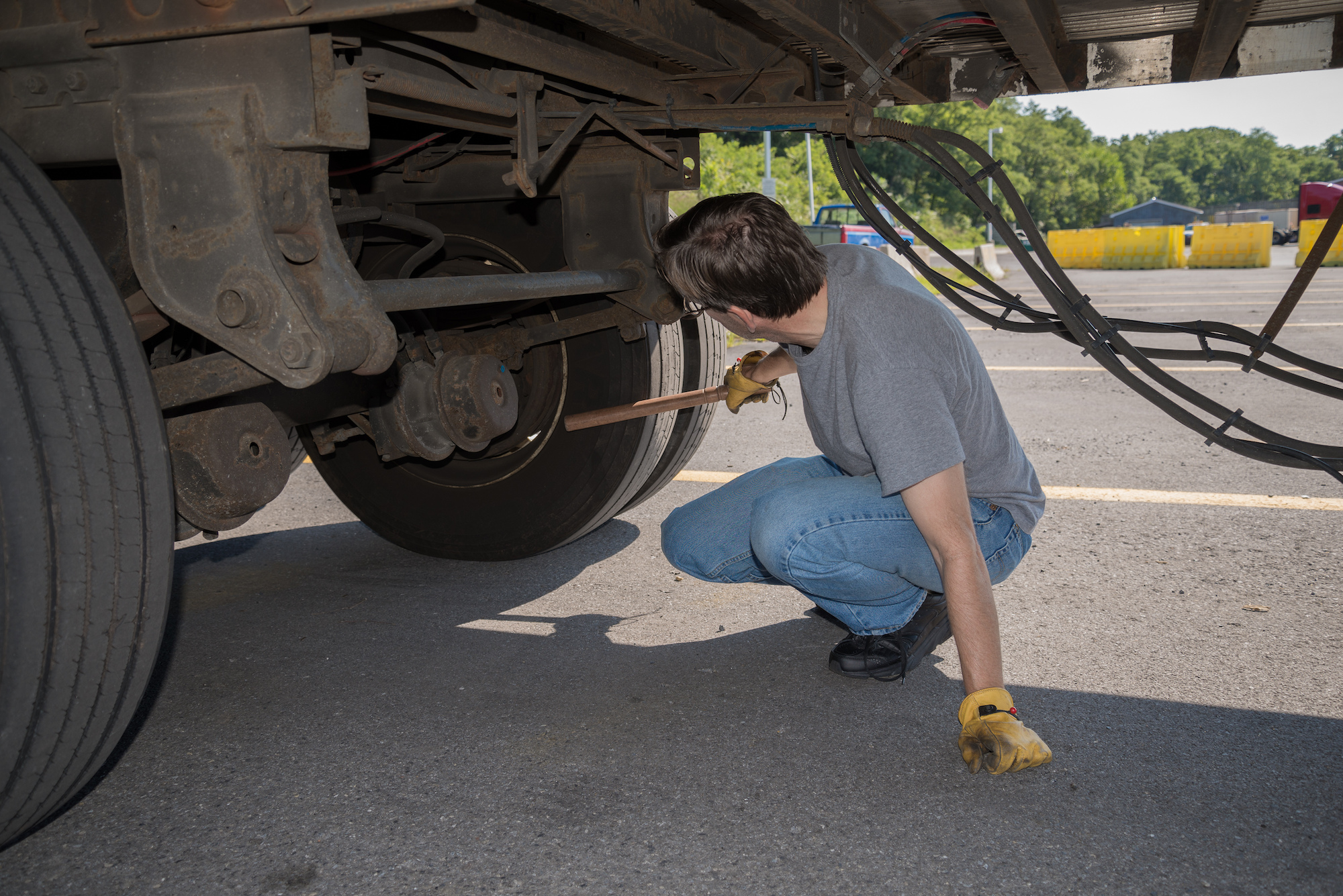
During the 2020 Commercial Vehicle Safety Alliance (CVSA) Annual Brake Safety Week roadside inspections, 12% of the trucks and buses inspected were placed out of service for brake-related violations. More than one in ten trucks’ brakes were bad enough to take them off the road.…

Read More


Safety Inspections

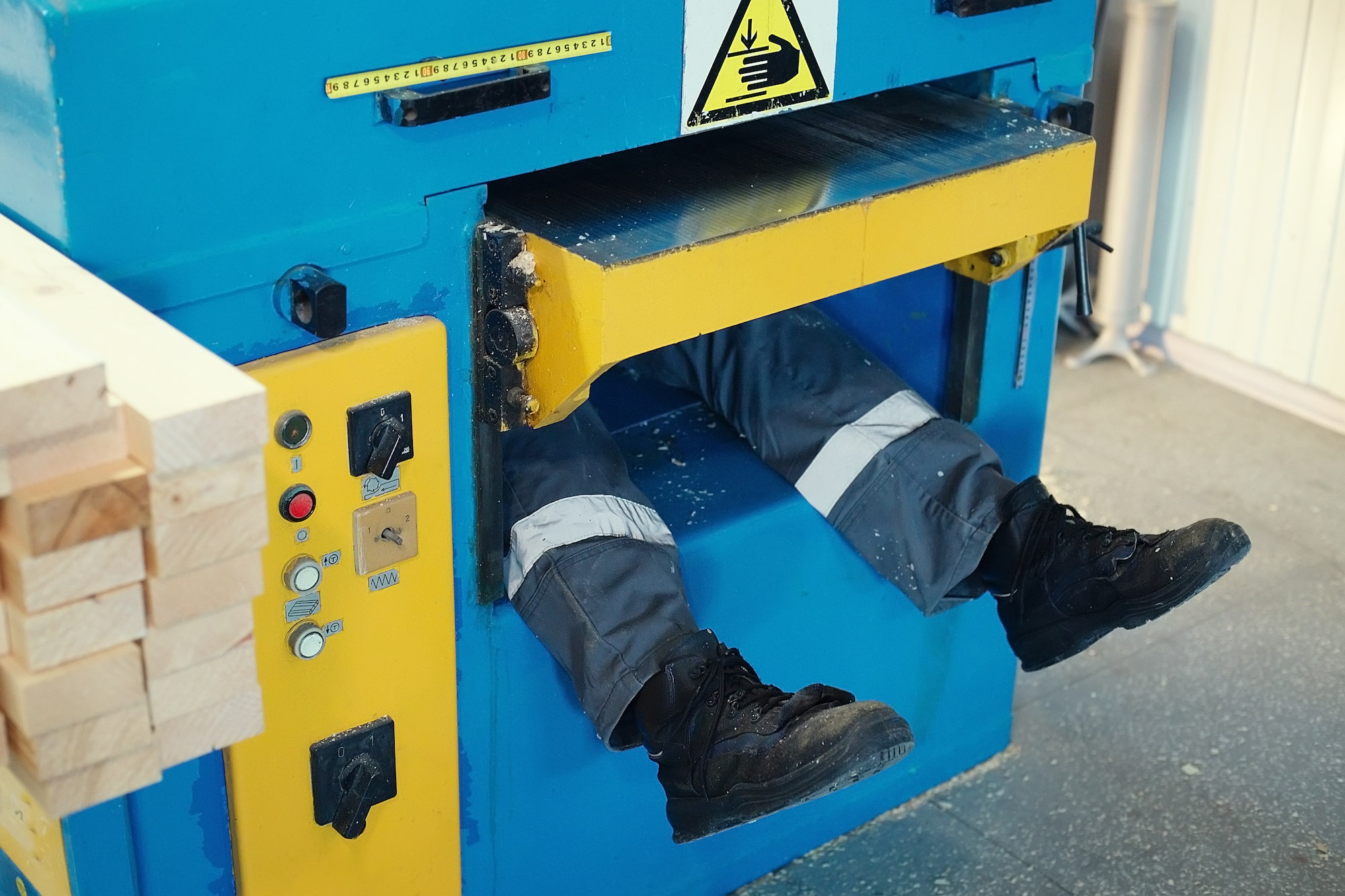
Many hazards affect a work area, including housekeeping issues, faulty tools and equipment, missing machine guards, electrical problems, sharp objects, missing labels, and fire hazards. A hazard control program that includes a workplace inspection, routine inspections, and preventive maintenance procedures on equipment and systems should…

Read More

Work Area Best Practices

Best Practices are established by manufacturers, industry organizations, government authorities, and a company’s management. They are a series of specific steps or job procedures that guide a worker through a job task from start to finish, preventing potential hazards or risk factors that can lead…

Read More

Workplace Safety Signs

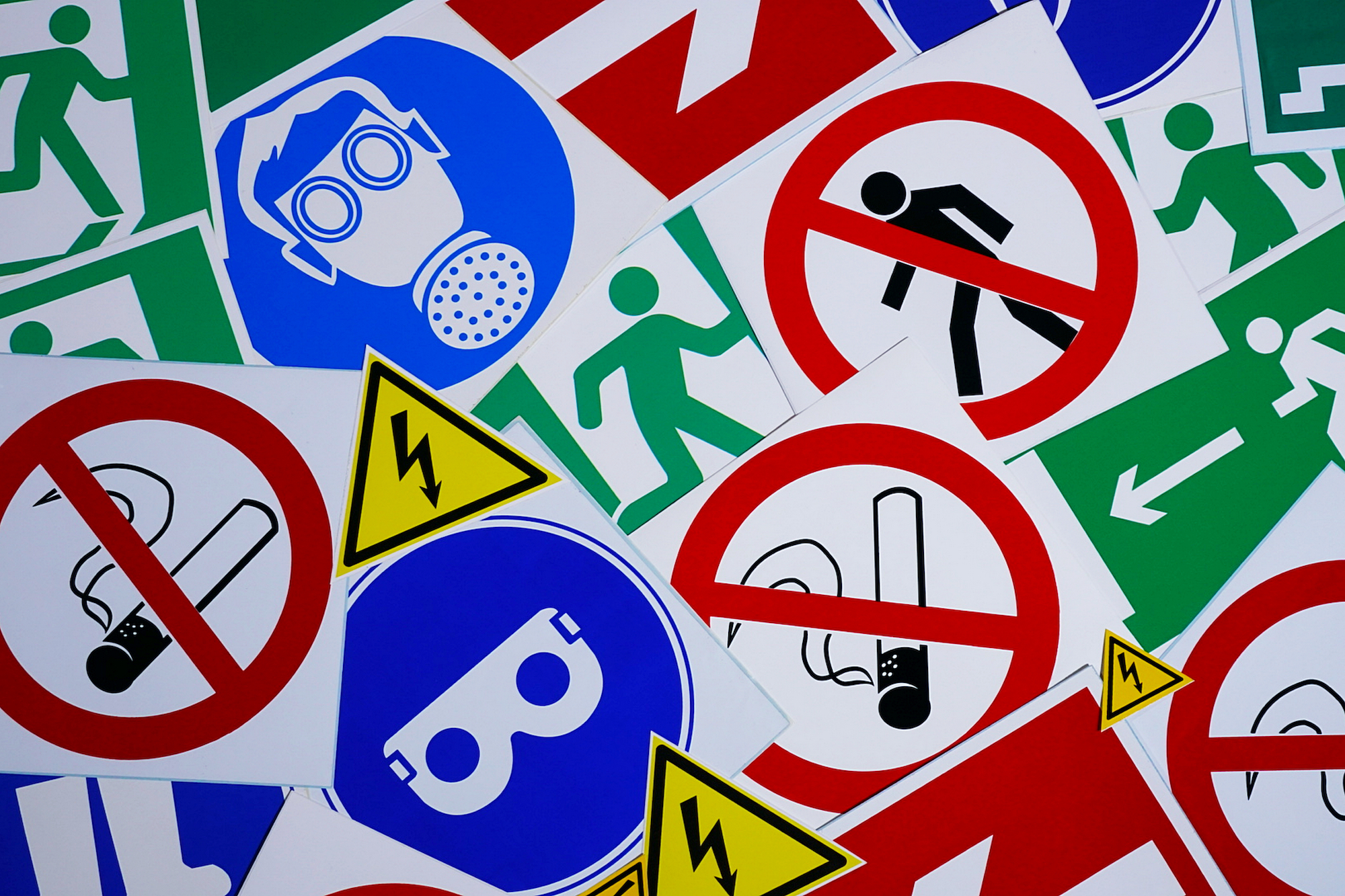
Communication is essential in developing a safe work environment, which can be accomplished by the usage of safety signs. Safety signs, tags, and labels provide employees with information, procedures, and instructions to prevent accidents, near misses and injuries. Signs direct workers to the location of…

Read More

Summer Safety at Work

Millions of workers in the United States are exposed to various hazards during the Summer months, including exposure to extreme heat, high humidity, inclement weather, insects, bees, snakes, and poisonous plants. Employers must ensure workers receive the proper training to understand the risks associated with…

Read More

Questions to Ask Before a Work Task

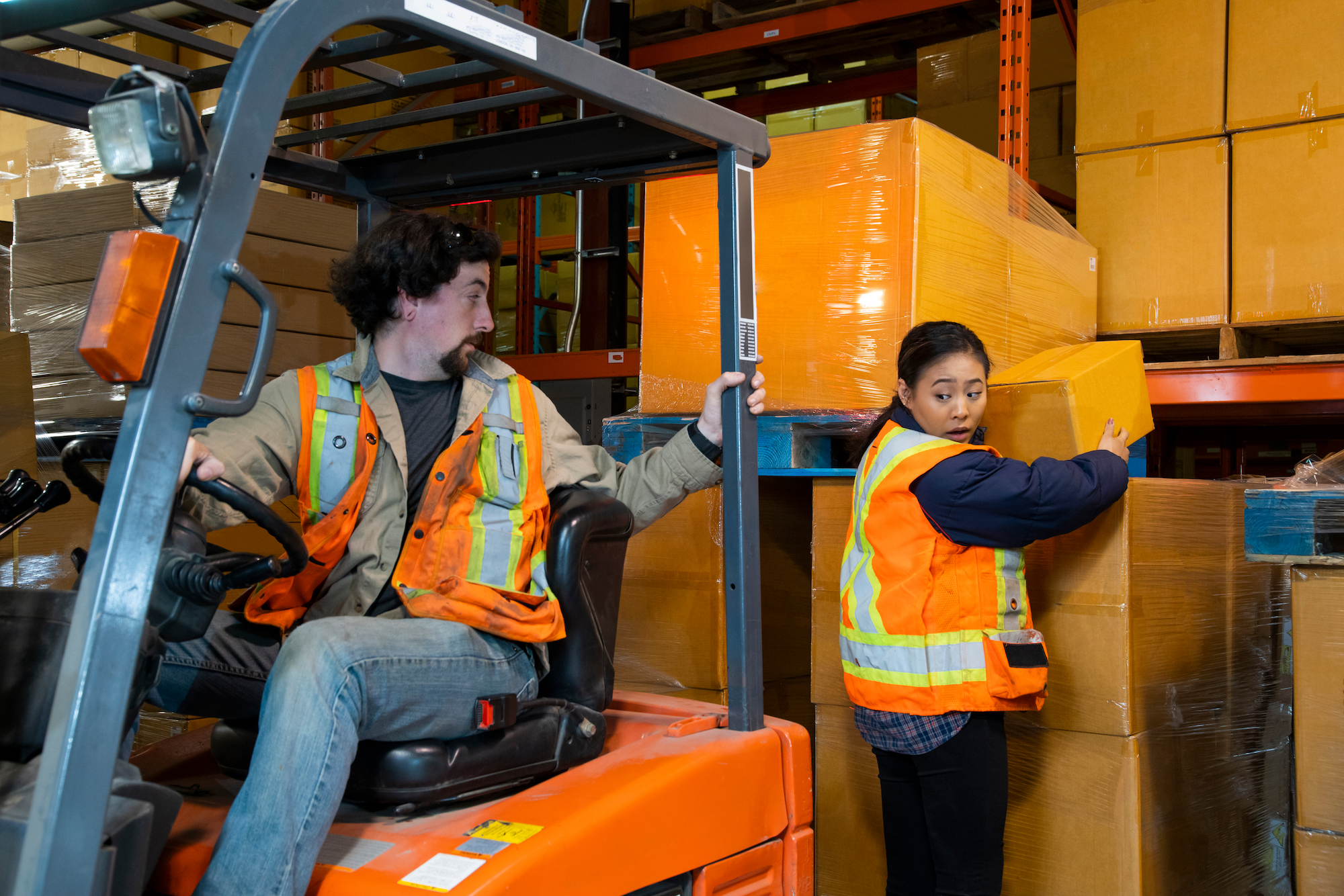
Many jobs involve completing several tasks throughout the day, and many workers are severely injured or killed on the job site because of hazards involved with these job tasks. Numerous factors should be taken into account and action taken to ensure a work task is…

Read More

Developing Safe Work Procedures

In 1970, the United States Congress passed the Occupational Safety and Health Act which requires OSHA to establish and enforce workplace health and safety standards. OSHA standards are rules and regulations that describe the methods that employers are required to implement for specific activities or…

Read More

Recognizing Unsafe Conditions

Unsafe working conditions are conditions that are hazardous to any worker. These conditions can prevent workers from properly executing their job tasks and pose a risk to their health and safety. Discussion Points: • What are some examples of unsafe conditions that can be found…

Read More

Equipment Calibration and Maintenance

Many facilities have equipment that relies on precise specifications which require calibration and maintenance, including pressure gauges, temperature devices, flow meters, electrical components and meters, and mechanical instruments and scales. Ensuring equipment operates at optimal performance, companies should develop and implement a Calibration and Maintenance…

Read More

Trauma Awareness in the Workplace

When a traumatic event occurs, the expectation is that medical care response will be immediate, as the survival of a worker who has experienced a severe injury is reliant upon the company’s trauma care system. Discussion Points: • What is trauma? • How do you…

Read More