From the blog

Category: <span>Transportation</span>

Read our latest articles on compliance, recycling, inspections, and field practices from JEM's experience working with facilities across the industry.

Read our latest articles

What Kind of Influence are You?

A manager’s impact on their employees is essential in determining a team’s overall morale, productivity, and success. Managers play a crucial role in shaping the work environment, defining expectations, and providing guidance. They are responsible for overseeing operations and setting the tone for the workplace…

Read More
High Wind Dangers

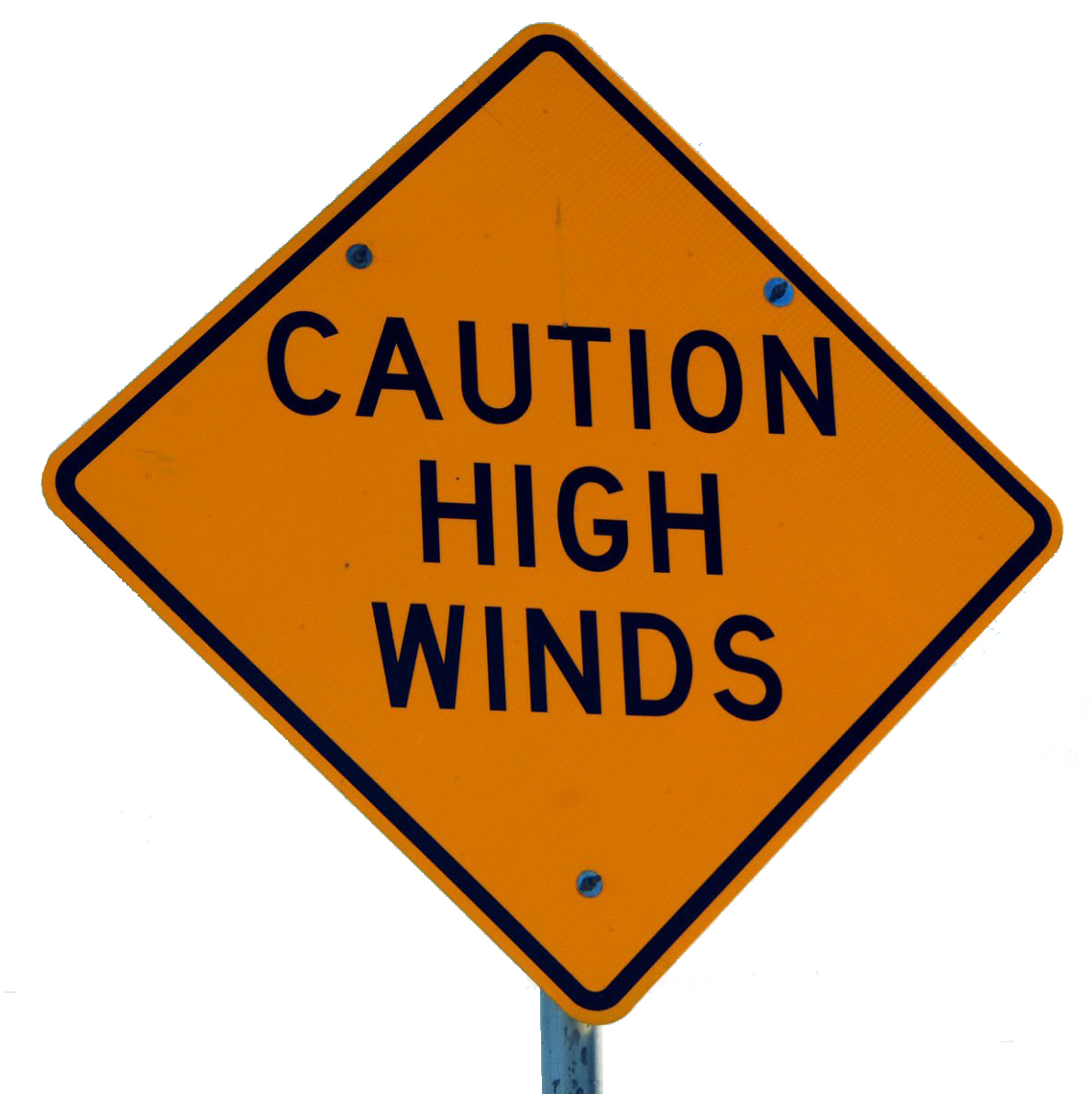
High winds pose safety risks for employees working outdoors. These hazards include flying debris, falling objects, slippery surfaces, and the potential for buildings, equipment, and other structures to sway or fail. Loose items such as tree branches and trash cans can become dangerous projectiles, causing…

Read More

Safety Signage

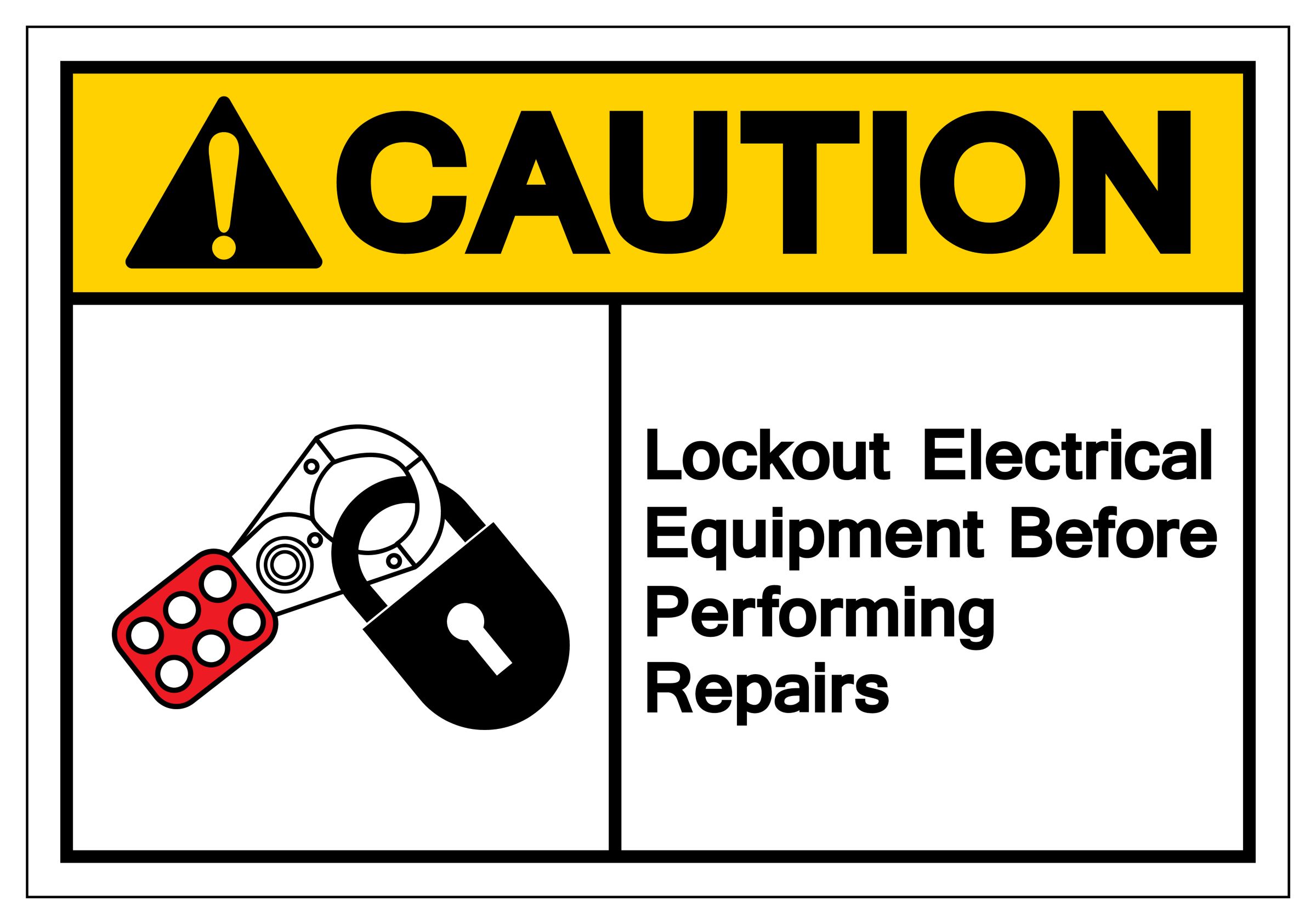
Safety signs play an essential role in the workplace. They notify people of hazards, regulations, and requirements; symbols, pictograms, surrounding shapes, and colors have specific meanings. A safety sign that displays a clear and consistent format helps employees recognize and understand the information it reveals.…

Read More

Monitoring Safe and Healthy Work Areas

According to the National Safety Council, nearly 13,000 workers in the United States are injured daily, and many injuries are preventable. Potential hazards in the workplace can have detrimental effects on employees. Workplace monitoring and assessments can help identify safety hazards contributing to work-related injuries.…

Read More

Maintenance is Important

Routine maintenance is important in keeping machinery and the work environment safe. Implementing a maintenance program ensures the efficient operation of equipment and machinery. When performing preventive maintenance tasks such as inspections, cleaning, lubrication, and minor adjustments, problems can be detected and corrected before they…

Read More

Safe Driving Distances

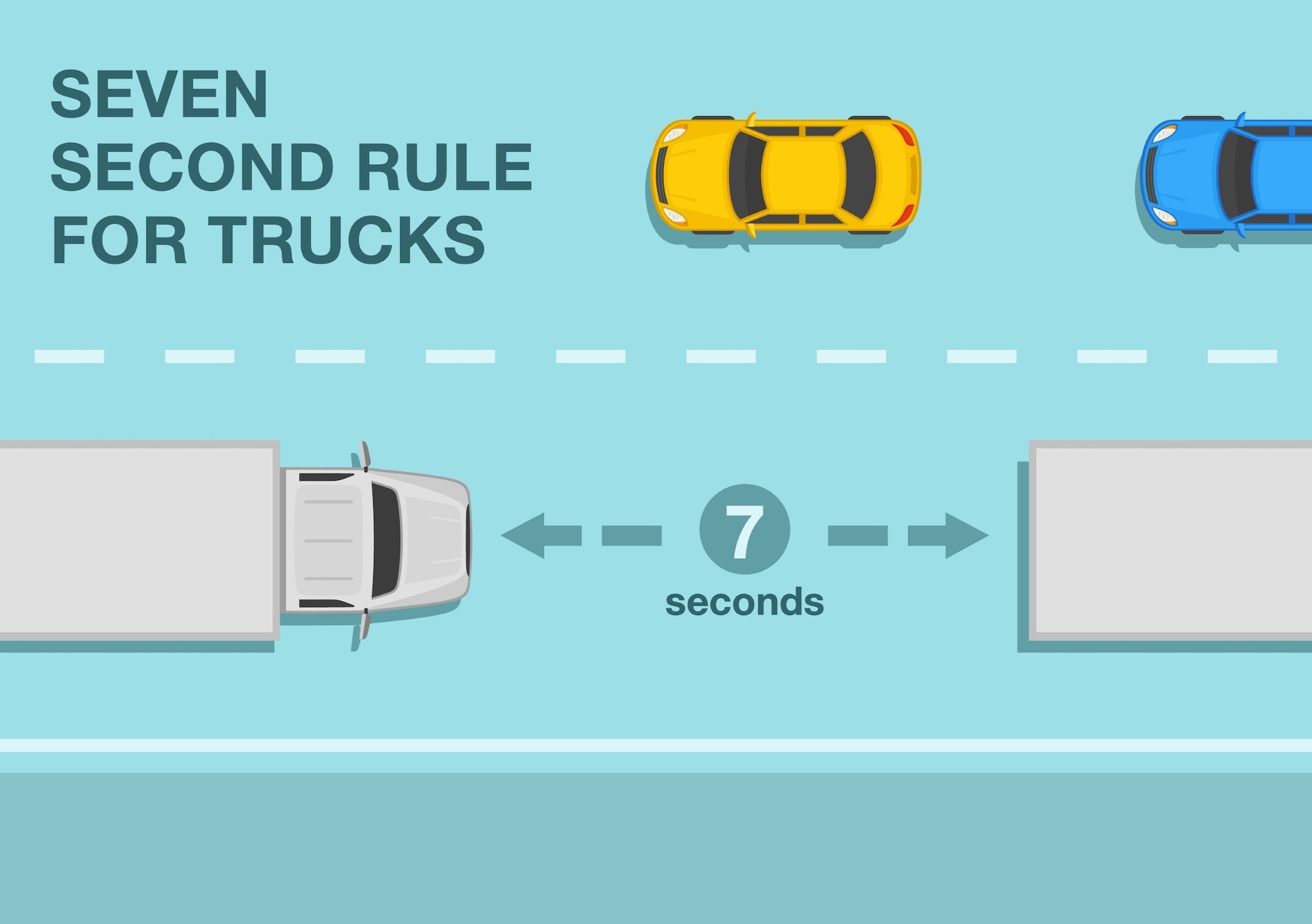
According to the U.S. Department of Transportation (DOT), there are approximately 12 million commercial motor vehicles (CMVs) on the roadways. These vehicles are vital to the transportation of goods and materials. However, they present hazards such as safe driving distances for all drivers. Each year…

Read More

OSHA Compliance Directives

OSHA standards for general industry cover workplace safety and health aspects, including emergency planning, walking surfaces, slips, trips and falls, hazardous chemicals, using power tools, welding, cutting, and hot works, fire safety, first aid, bloodborne pathogens, confined spaces, and PPE. They are found in Title…

Read More

Immediately Dangerous to Life and Health Limits (IDHL)

Occupational exposures to chemicals and other hazardous environments have been recognized as having potential affects to the health of workers; workers who conduct operations with atmospheric concentration of any toxic, corrosive or asphyxiants substance that poses an immediate threat to life, irreversible adverse health effects,…

Read More

The Hierarchy of Controls

Managing exposure to occupational hazards in the workplace is vital to protecting workers. Implementing the Hierarchy of Controls can be used to keep workers safe from work-related illnesses and injuries and is widely accepted by health and safety professionals. The Occupational Safety and Health Administration…

Read More

Conducting a Job Hazard Analysis

Many workers are injured at the workplace every day. Most workplace injuries and illnesses can be prevented by establishing job procedures and ensuring that all employees are trained appropriately. One of the best ways to determine proper work procedures is to conduct a job hazard…

Read More