From the blog

Category: <span>Transportation</span>

Read our latest articles on compliance, recycling, inspections, and field practices from JEM's experience working with facilities across the industry.

Read our latest articles

Right Way instead of the Easy Way

In today’s fast-paced society, people constantly look for ways to simplify their daily tasks and make life more convenient. This desire often leads to the temptation to take shortcuts and choose more accessible options rather than put in the extra effort to do things correctly.…

Read More
Winter Weather Driving

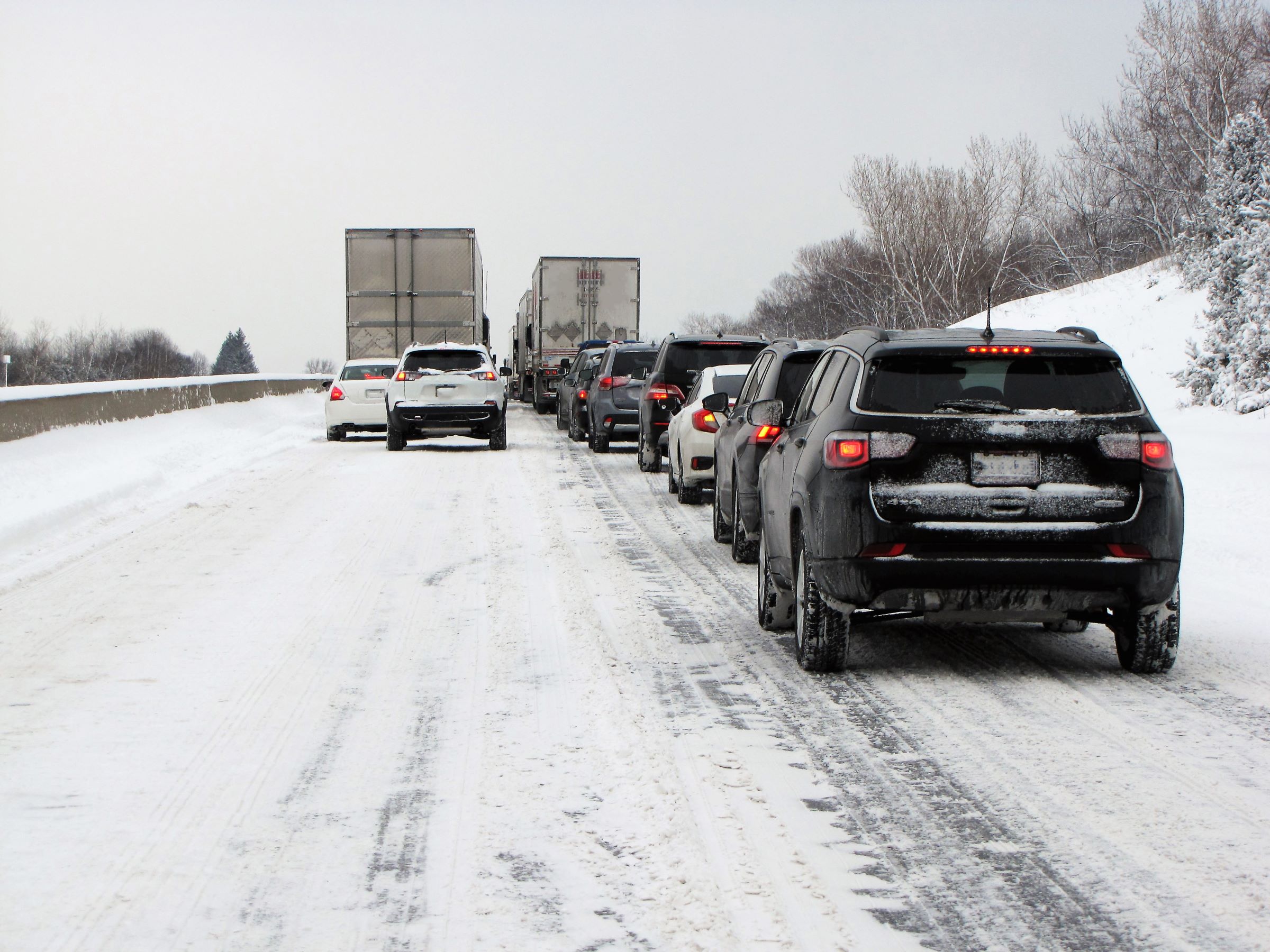
When driving in winter weather, the most crucial aspect is adjusting your speed and driving behavior due to reduced traction and visibility, which can lead to accidents if not managed properly. Slowing down and leaving extra space between your vehicle and others is necessary to…

Read More

Workplace Complacency

Workplace complacency can harm a company’s overall performance and safety. Employees becoming complacent in their work environment may overlook necessary safety protocols and procedures, putting themselves and their co-workers at risk. Discussion Points: What is complacency? What are the dangers of complacency? What causes complacency?…

Read More

Air Permit Annual Reporting

Auto recycling and scrap yard facilities play a vital role in the automotive industry by recycling old and used vehicles, salvaging valuable parts, and reducing the environmental impact of end-of-life vehicles. However, these facilities can generate emissions and waste that harm the environment and public…

Read More

Worker’s Rights

Workers’ rights are essential for establishing a fair and just workplace where employees can work safely. Employers are responsible for upholding these rights and ensuring their workers are treated fairly. The Occupational Safety and Health Administration (OSHA) establishes and enforces workplace safety and health standards…

Read More

Make Air Quality a Safety Priority

Many factors affect Indoor air quality (IAQ), including poor ventilation, problems controlling temperature, high or low humidity, and other activities in or near a building that can affect the fresh air flowing into the building. The quality of air can have a significant impact on…

Read More

Chemical Inventory Management

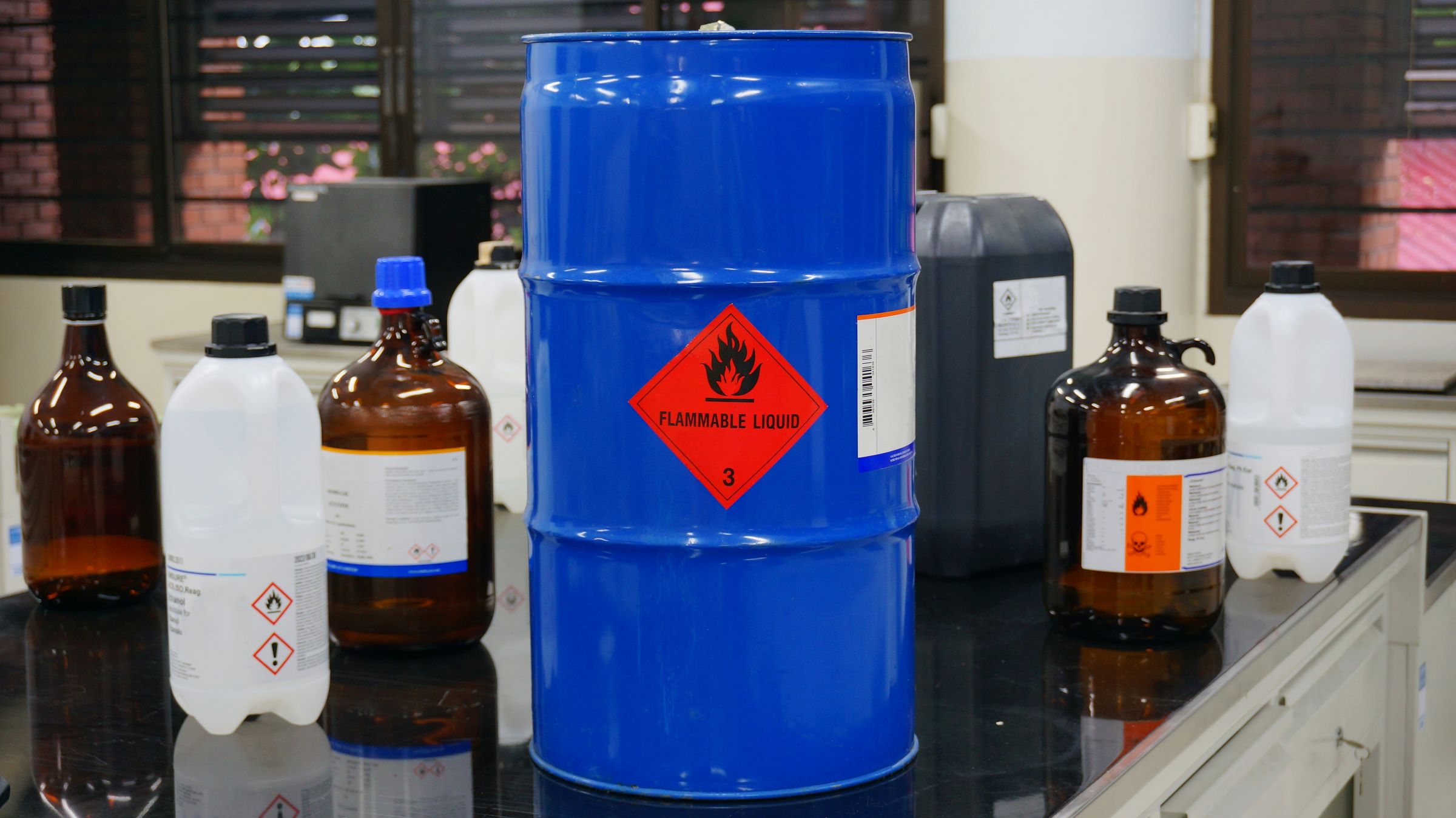
Effective chemical inventory management is essential for organizations to comply with regulatory requirements. Regulations such as OSHA’s Hazard Communication Standard and the EPA’s Conservation and Recovery Act require companies to maintain accurate records of the chemicals they use, store, and dispose. Failure to comply with…

Read More

Material Handling

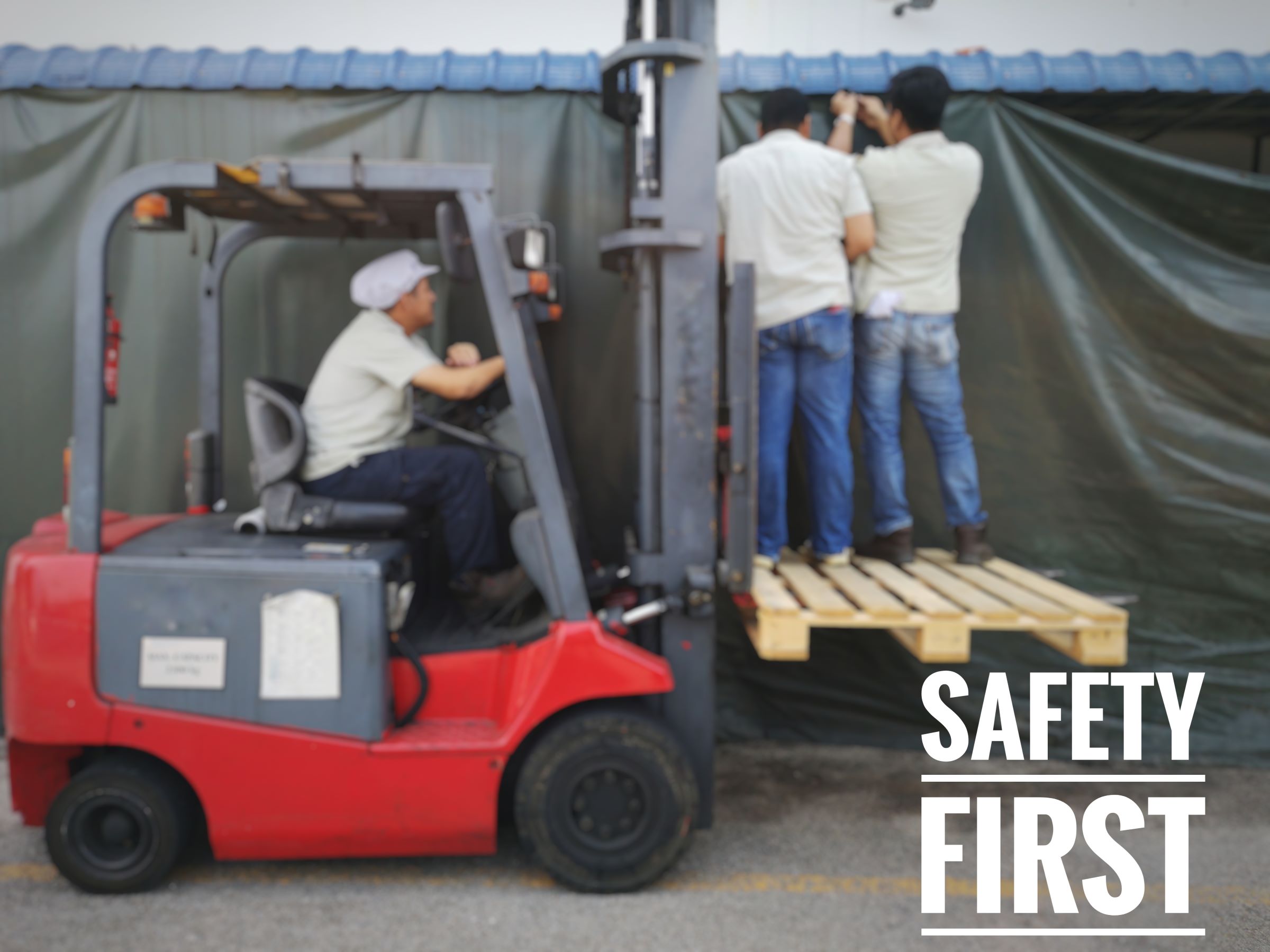
Material handling is an essential component of the overall production process. Efficient material handling can increase productivity, minimize downtime, and improve workplace safety. Safety is critical, as workers are frequently exposed to hazardous materials and machinery. Material handling activities can pose various risks to employees…

Read More

Protecting Employees from Dog Bites

In many workplaces, facility dogs are making a positive impact by providing employees with safety, emotional support, and companionship. Employers should prioritize establishing clear policies and procedures for handling potentially aggressive or dangerous dogs and have a plan to address hazardous situations promptly and effectively.…

Read More

Fire Extinguisher Inspections

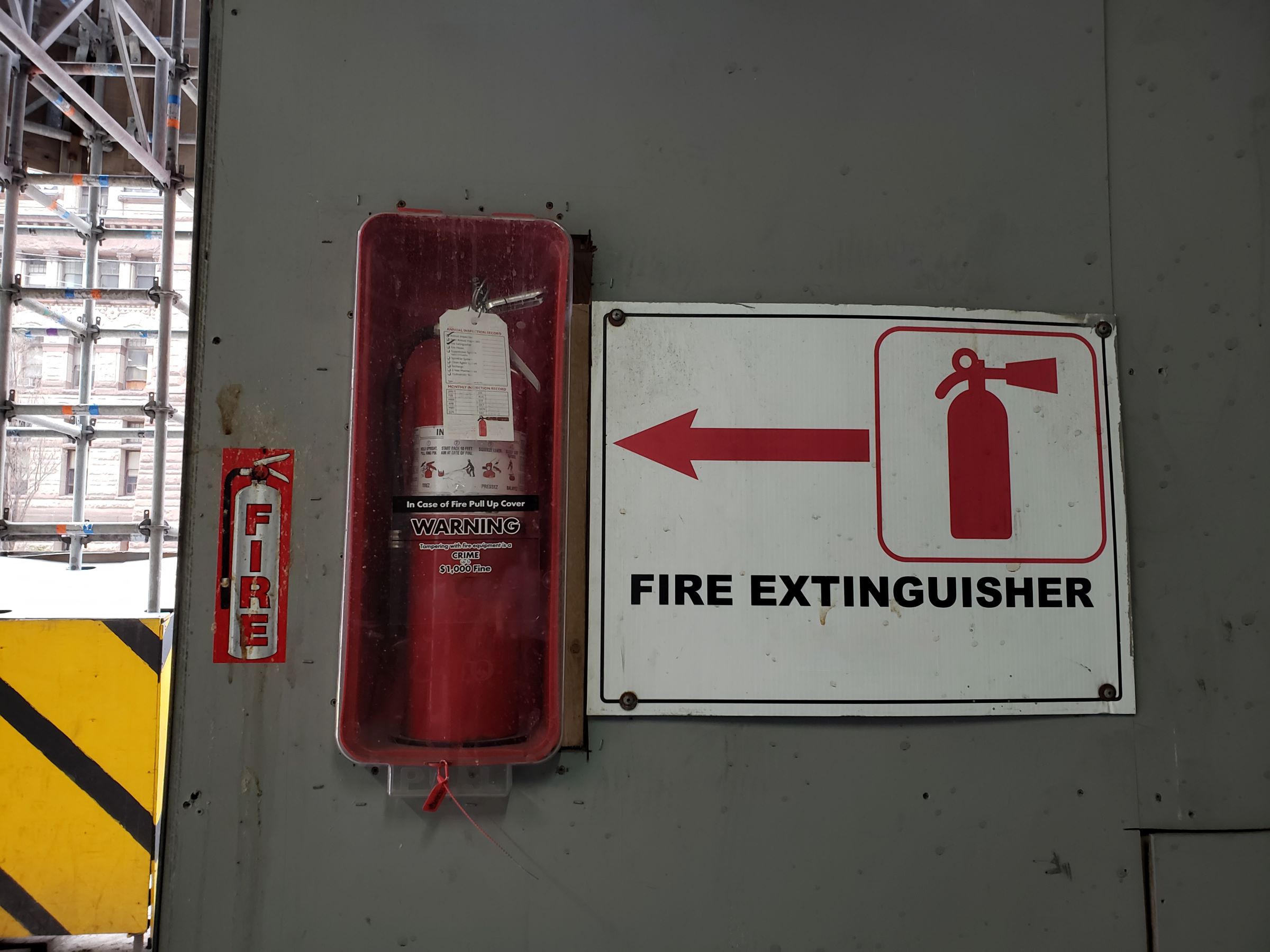
According to OSHA standards, employers are responsible for inspecting all portable fire extinguishers. Fire extinguishers must be inspected annually by trained professionals. When a new unit is installed, OSHA requires monthly inspections that designated employees can conduct. Check fire extinguishers more frequently if installed in…

Read More