
Resources
Add value to your safety meetings with resources from JEM’s weekly Toolbox Talks.
Each week, we update content with safety topics relevant across industries. Our Toolbox Talks make it easy to maintain OSHA compliance and keep employees safe without taking up a lot of time to research topics.
Access our archive of talks below and check back weekly for a new topic.
Spill Prevention Control and Countermeasures (SPCC)
Oil spills endanger public health, impact drinking water, devastate natural resources and disrupt the economy. Spills can happen during production, storage, or transport. Every effort must be made to prevent oil spills, and to clean them up promptly when they occur....
How to Safely Operate a Forklift
According to OSHA, only trained and authorized operators are permitted to operate powered industrial trucks. Understanding how to operate a forklift (PIT) safely can help avoid injuries and property damage. Complete the pre-operational inspection, and do not operate a...
How to Inspect the Forklift
To maintain your Powered Industrial Truck, OSHA requires a complete inspection on a daily basis, before it is placed into service. Forklifts used on a round-the-clock basis, must be examined before and after each shift. If any defects are found during the inspection,...
The Basics of Forklift (PIT) Operation
No employee should ever operate a forklift without proper training. This training must include: basic safety rules, material handling procedures, safe operating techniques, and driver’s performance testing. Re-training is required: when there is a failure in the...
Winter Driving
Hazards associated with driving during winter weather conditions, including driving on wet, icy or snow- packed roads increase, making it risky to drive in these adverse conditions. It is important to prepare for driving in these conditions as emergencies can happen...
Fire Extinguishers
Fire extinguishers are designed to handle different types of fires. Fires are categorized depending on what is burning, and extinguishers are labeled accordingly; A, B, C, and D. Class A is the most common type of fire and involves ordinary combustible materials,...
Interested in learning more from our team? Check out the Blog below…
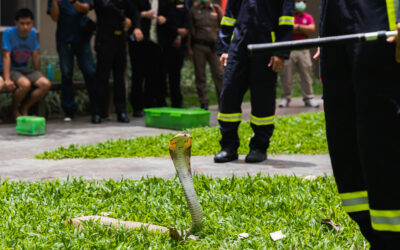
Snakes in the Workplace
Workers should be aware of their surroundings when working outdoors, especially in warm weather, because they may be exposed to many hazards, including stray animals, insects, and snakes. They should be cautious when working in tall grass or around piles of leaves and...
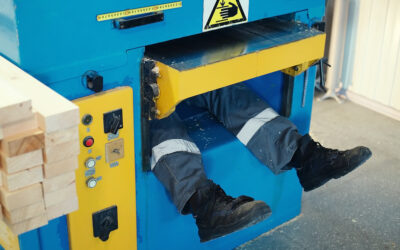
Trauma Awareness in the Workplace
When a traumatic event occurs, the expectation is that medical care response will be immediate, as the survival of a worker who has experienced a severe injury is reliant upon the company’s trauma care system. Discussion Points: • What is trauma? • How do you deal...
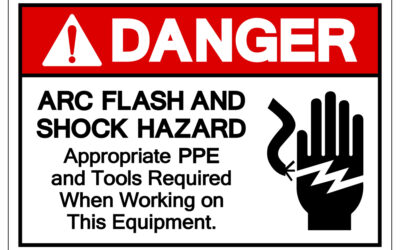
Arc Flash Safety
Working around electrical equipment with exposed or live parts can be hazardous. Contact with energized parts can set off an arc flash and instantly generate an explosion releasing temperatures of up to 35,000 degrees Fahrenheit. An arc flash can cause injuries...
Phone
(512) 244-3631
Fax: (512) 244-0853
Address
PO Box 1323
Georgetown, TX 78627
Hours
Monday-Friday
8am-5pm