From the blog

Category: <span>Environmental</span>

Read our latest articles on compliance, recycling, inspections, and field practices from JEM's experience working with facilities across the industry.

Read our latest articles

Industry Standards

What does industry-standards mean? Industry standards are documents that determine technical or procedural specifications. They maximize the reliability of products or services in specific industries. They establish what is acceptable both globally and domestically. They provide a function of the value of standard sizes and…

Read More
Handling Waste Antifreeze Properly

Did you know…? Waste antifreeze may contain heavy metals such as lead, cadmium, and chromium at levels high enough to make it a regulated hazardous waste. A study by the American Society of Testing and Materials determined that approximately 40% of used antifreeze should be…

Read More

Baling and Compacting Safety

WARNING! Workers loading, operating, or working near baling or compacting equipment are at risk of serious injury or death. The National Institute for Occupational Safety and Health (NIOSH) is responsible for making recommendations for preventing work-related illness and injuries. Balers and compactor are used in…

Read More

Battery Handling Safety

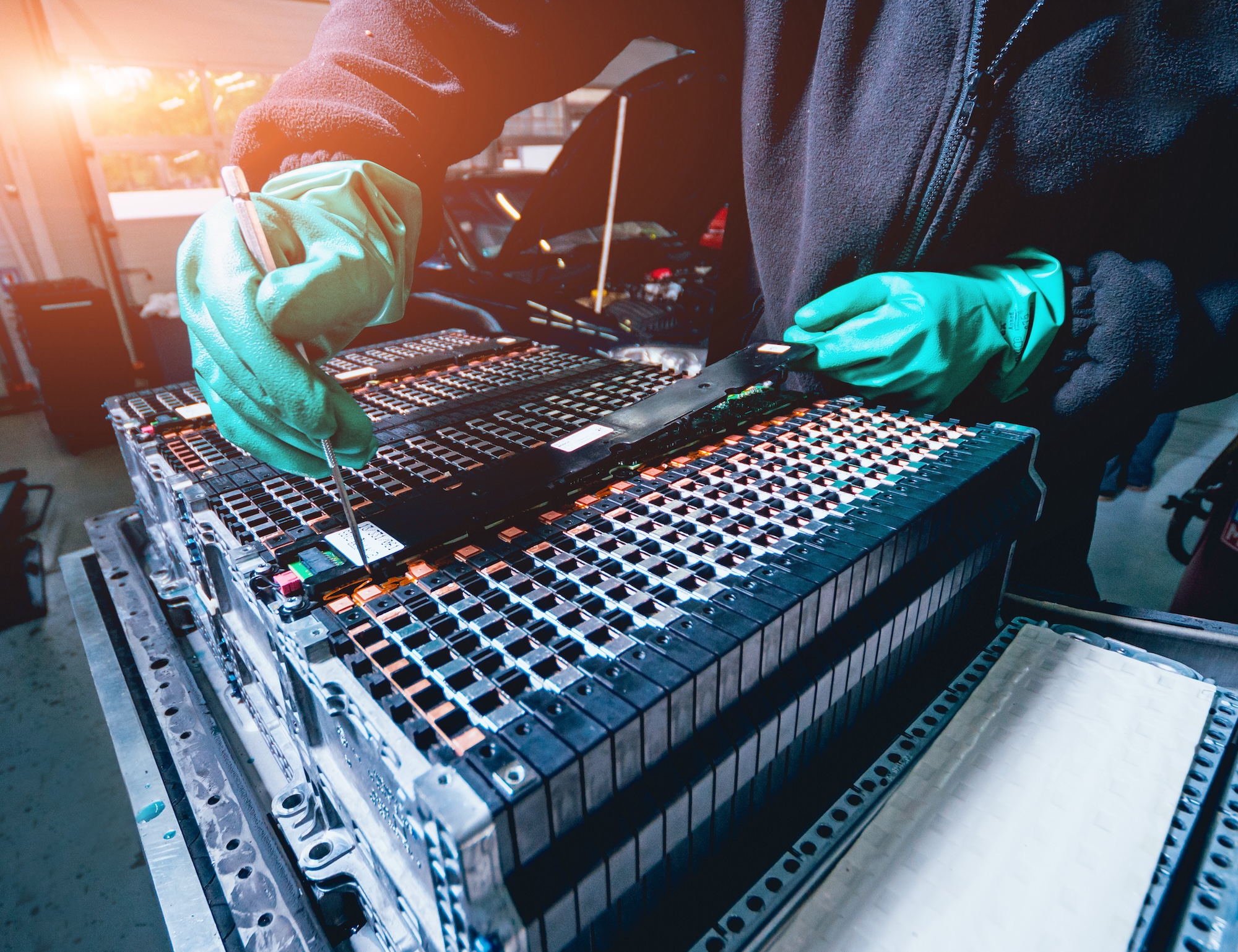
Batteries are common devices used as a source of electrical power. There are two types of batteries: primary and secondary. Primary batteries are considered “single-use” or disposable and cannot be recharged. These include alkaline batteries and zinc-carbon batteries. A secondary battery is a rechargeable battery.…

Read More

The Safety Squad

The purpose of a safety team or the “Safety Squad” is to assist management in providing a safe workplace. The safety team should include supervisors, managers, and workers. It’s ideal to have a diverse representation from the company’s entire workforce. Employees should be encouraged to…

Read More

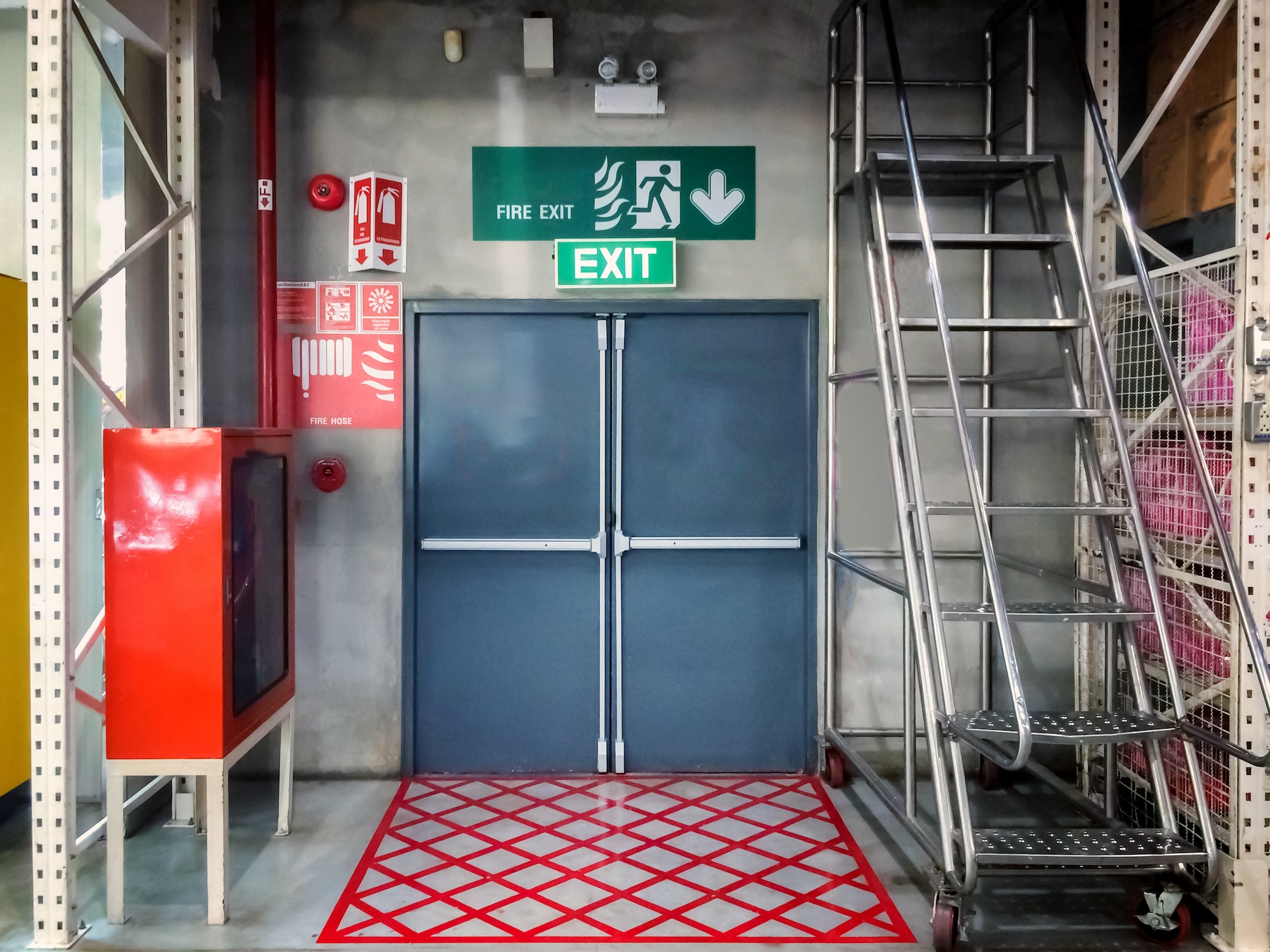
Keep Emergency Exits Accessible

How would you exit from your workplace during an emergency? In most cases, OSHA mandates there to be at least two emergency exit routes from every building. OSHA defines an emergency exit as “a continuous and unobstructed path of exit travel from any point within…

Read More

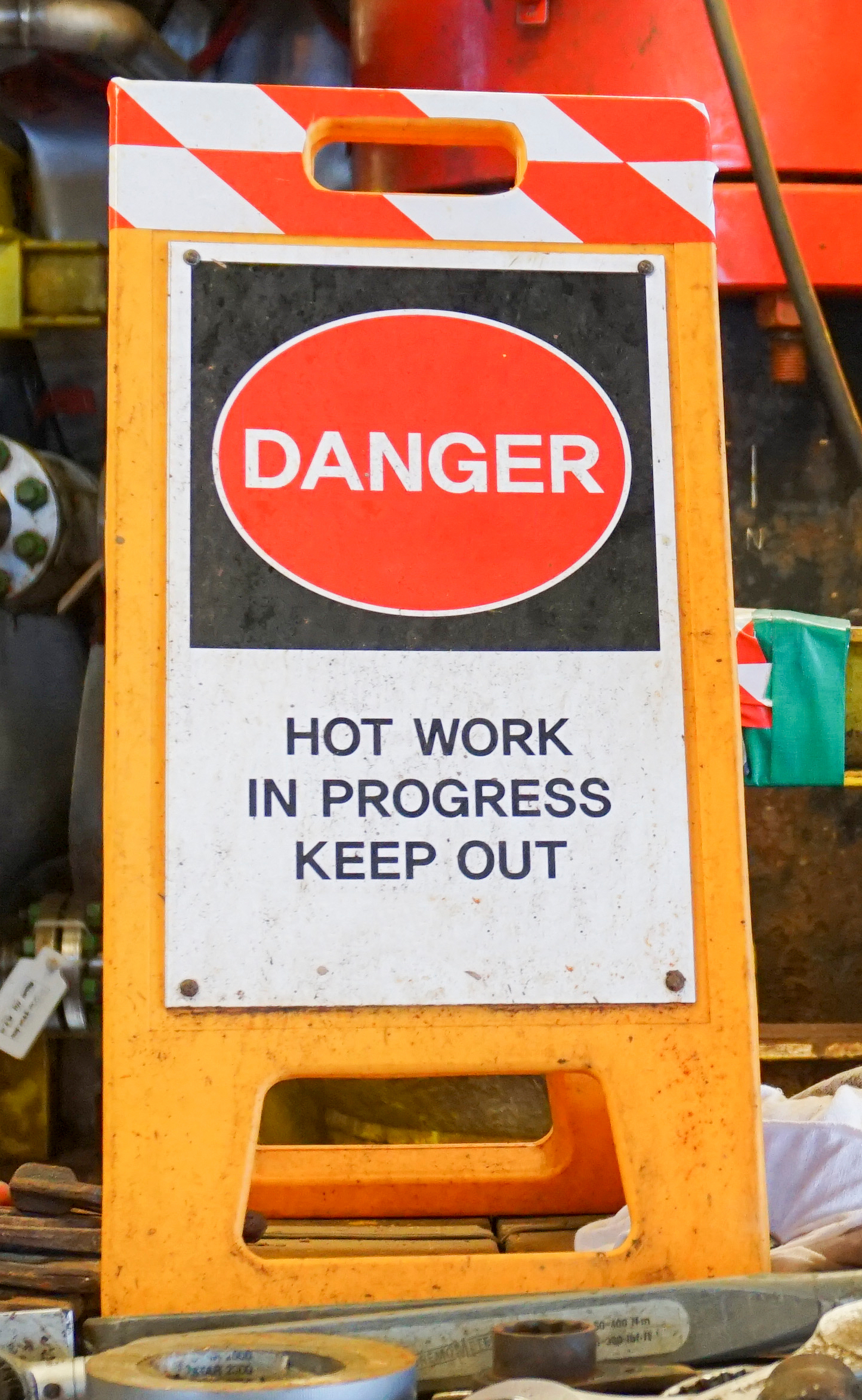
Hot Work Safety

Many industries require hot work as part of routine work activities. “Hot work” refers to any work requiring open flames, applying heat or friction, or generating heat or sparks. Hot work can create hazardous conditions that may pose a risk to workers. Flying sparks are…

Read More

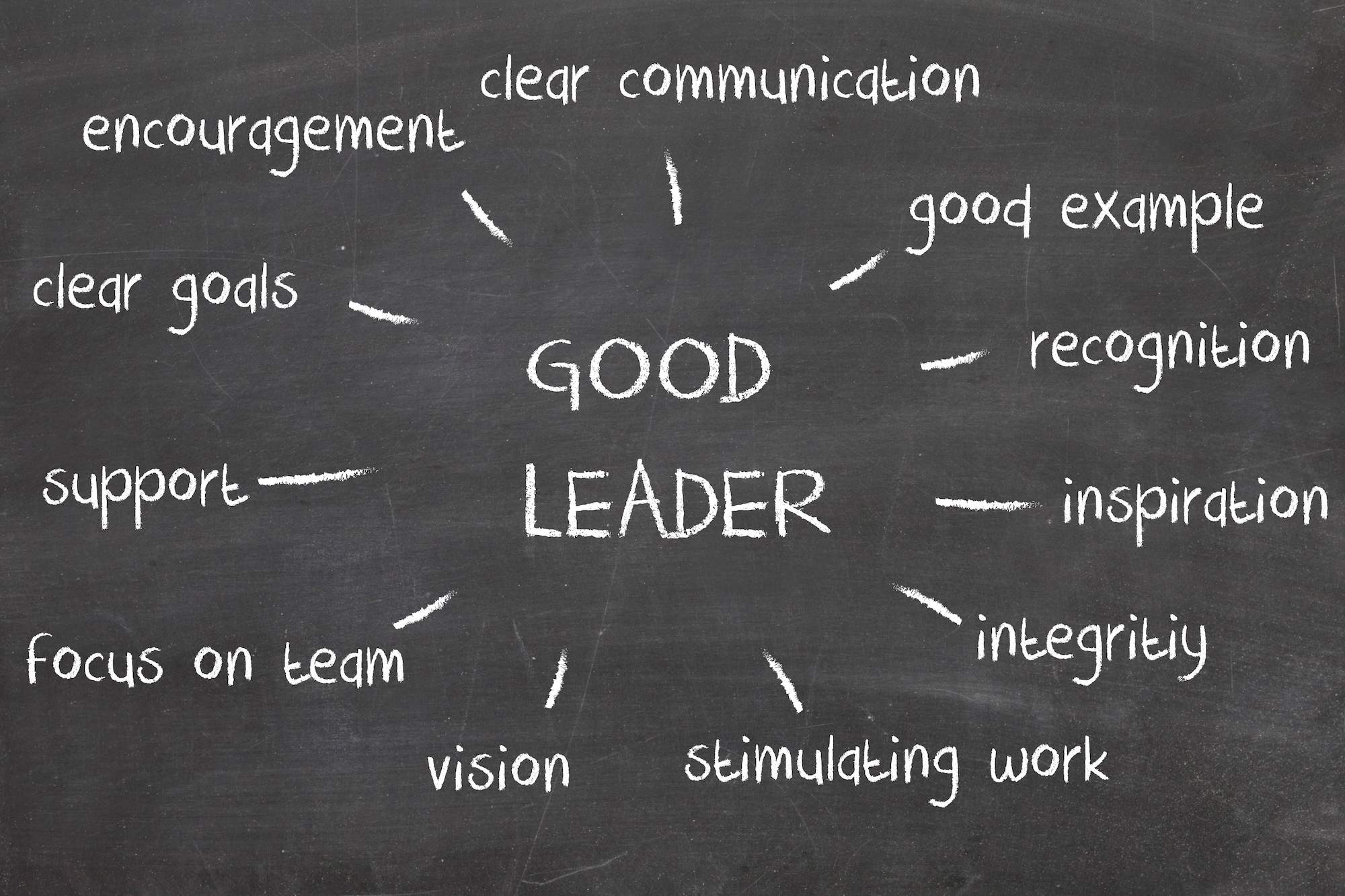
Leading by Example

Good leaders take responsibility and accountability for business operations. They approach work positively and do what is necessary for the good of the company. They possess skills and qualities that include motivation, creativity, listening, and communication. They have the ability to motivate a group of…

Read More

Safety, It’s Your Choice

Safety is defined as “a state of being protected from potential harm or something that has been designed to protect and prevent harm.” It’s the company’s responsibility to provide a safe working environment for its employees. Ensuring safety begins with establishing and implementing a company…

Read More

“Silver Tsunami”

The generation born between 1946 and 1964, approximately 76 million people in the United States, are known as the “Baby Boomer” generation. Nationwide, more than 10,000 people turn 65 years old every day. This group of Baby Boomers, between the ages of 57 and 75,…

Read More