From the blog

Category: <span>Toolbox Talk</span>

Read our latest articles on compliance, recycling, inspections, and field practices from JEM's experience working with facilities across the industry.

Read our latest articles

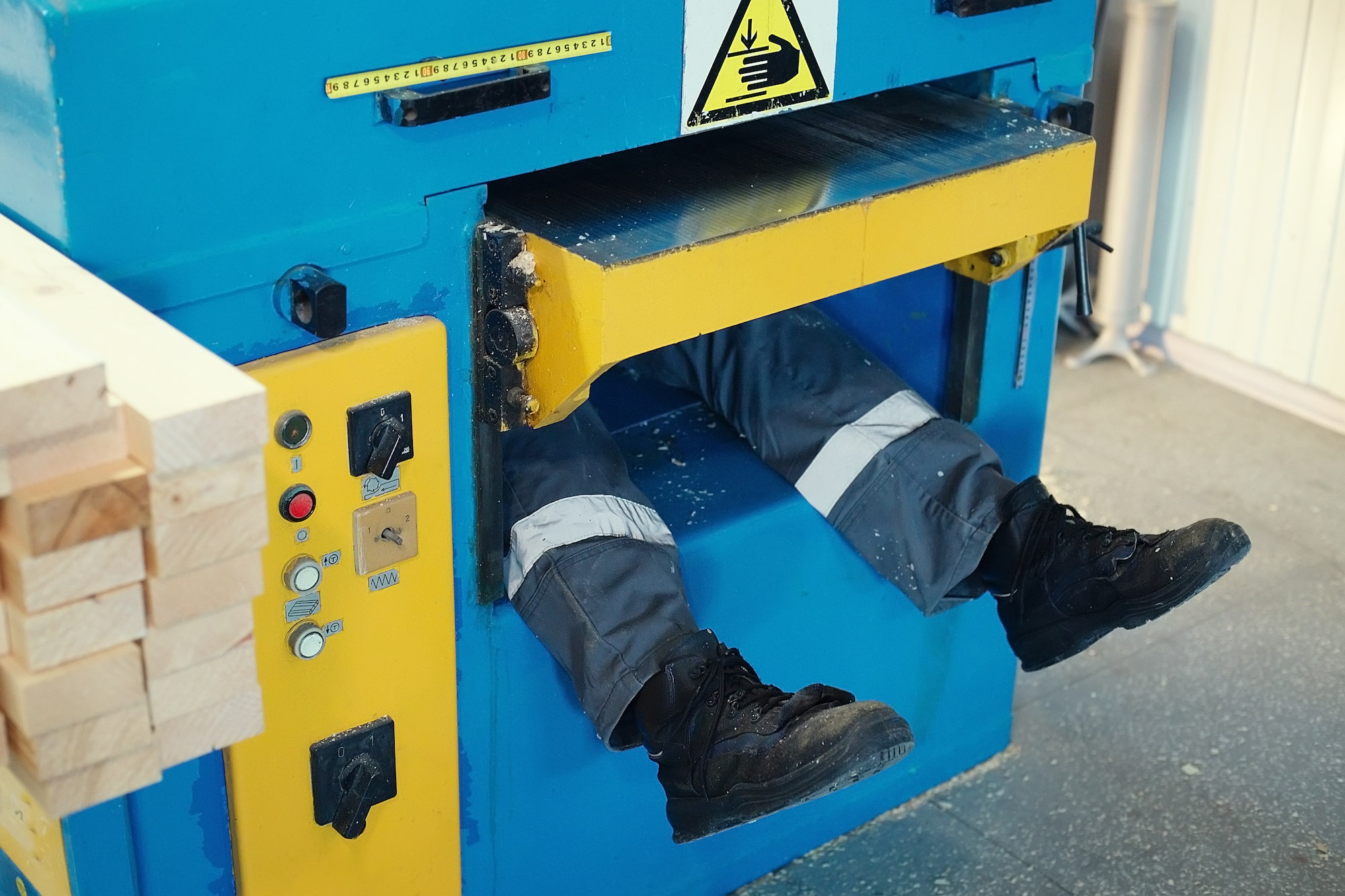
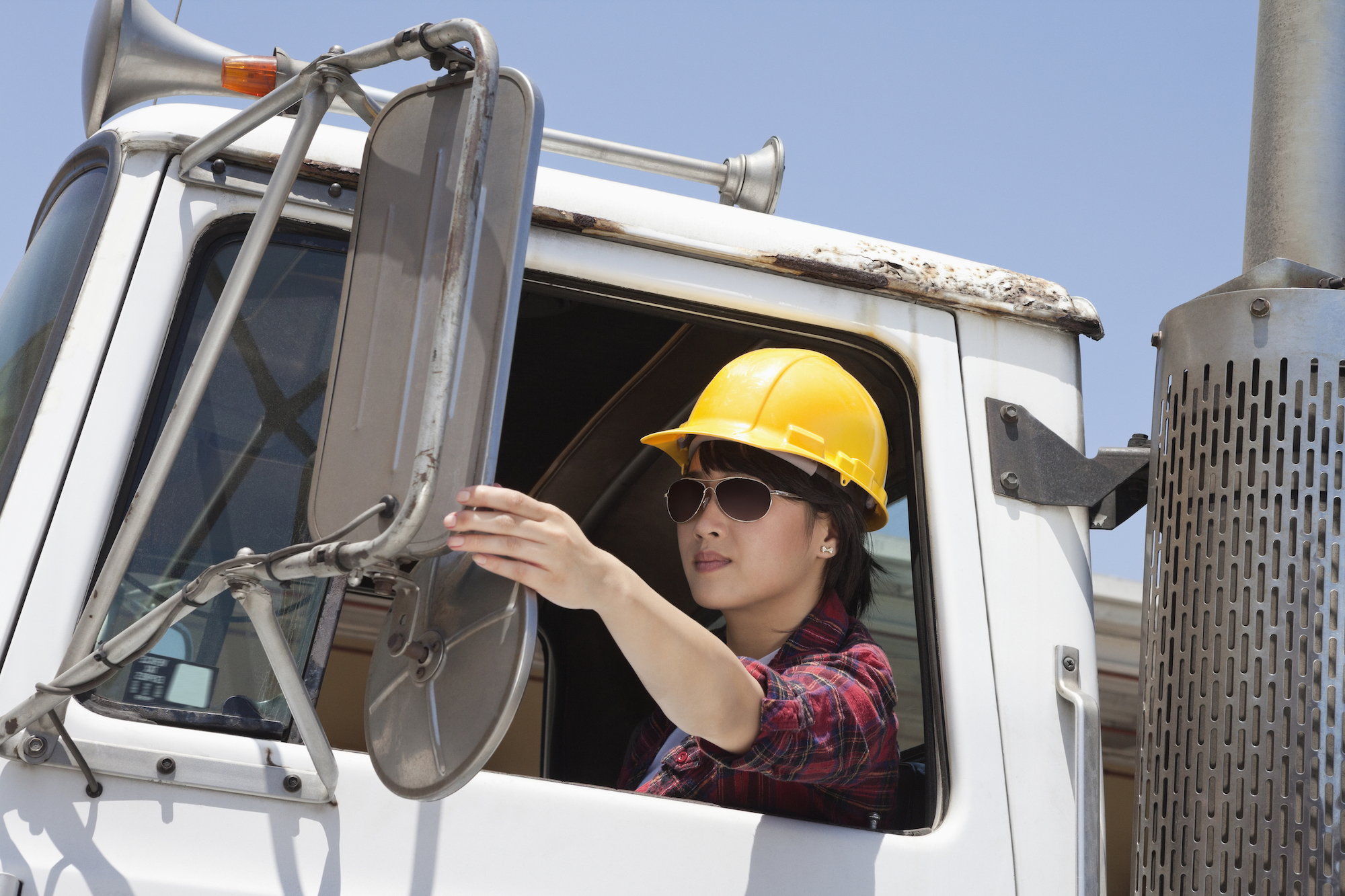
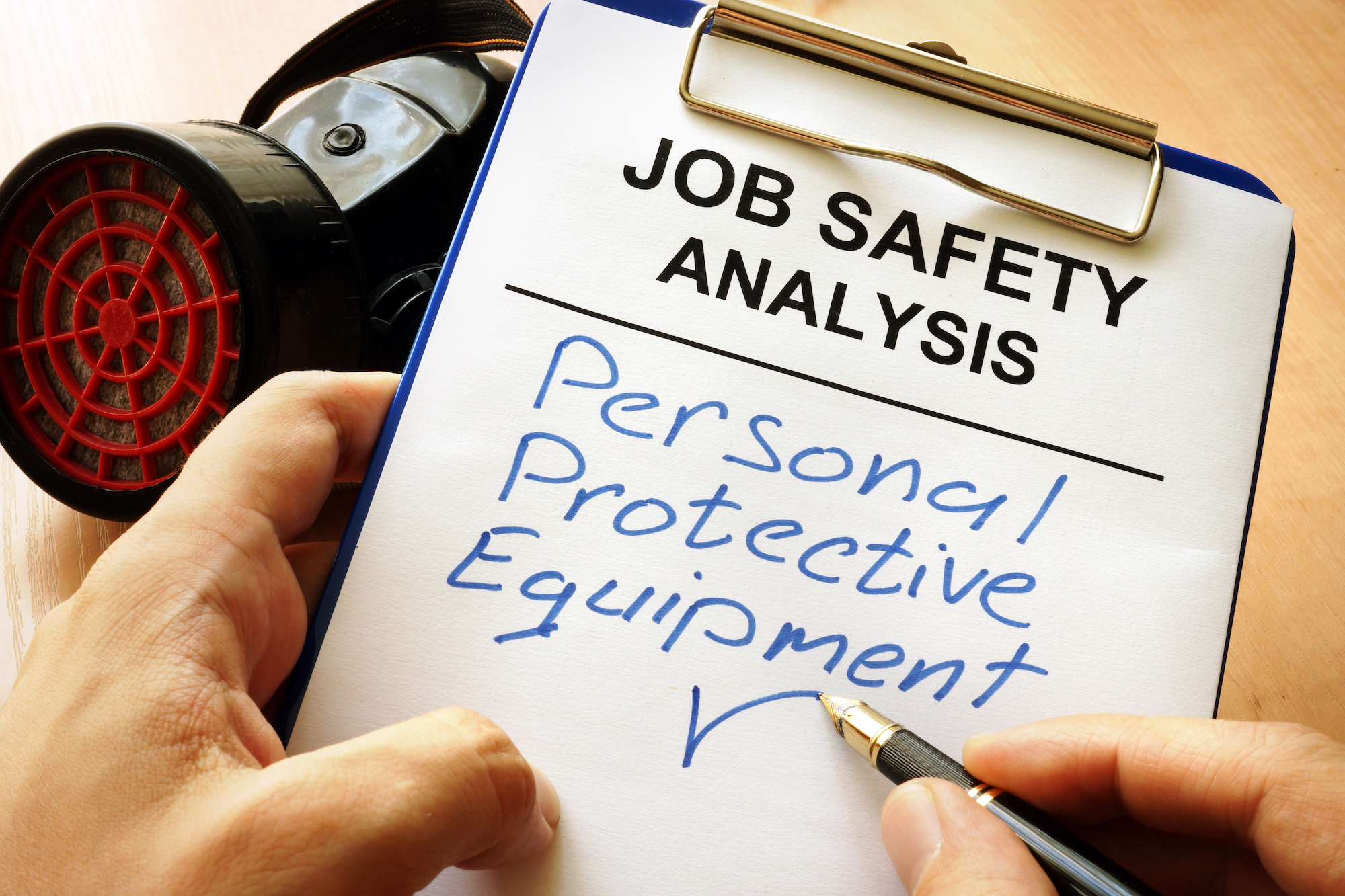
Questions to Ask Before a Work Task

Many jobs involve completing several tasks throughout the day, and many workers are severely injured or killed on the job site because of hazards involved with these job tasks. Numerous factors should be taken into account and action taken to ensure a work task is…

Read More
Developing Safe Work Procedures

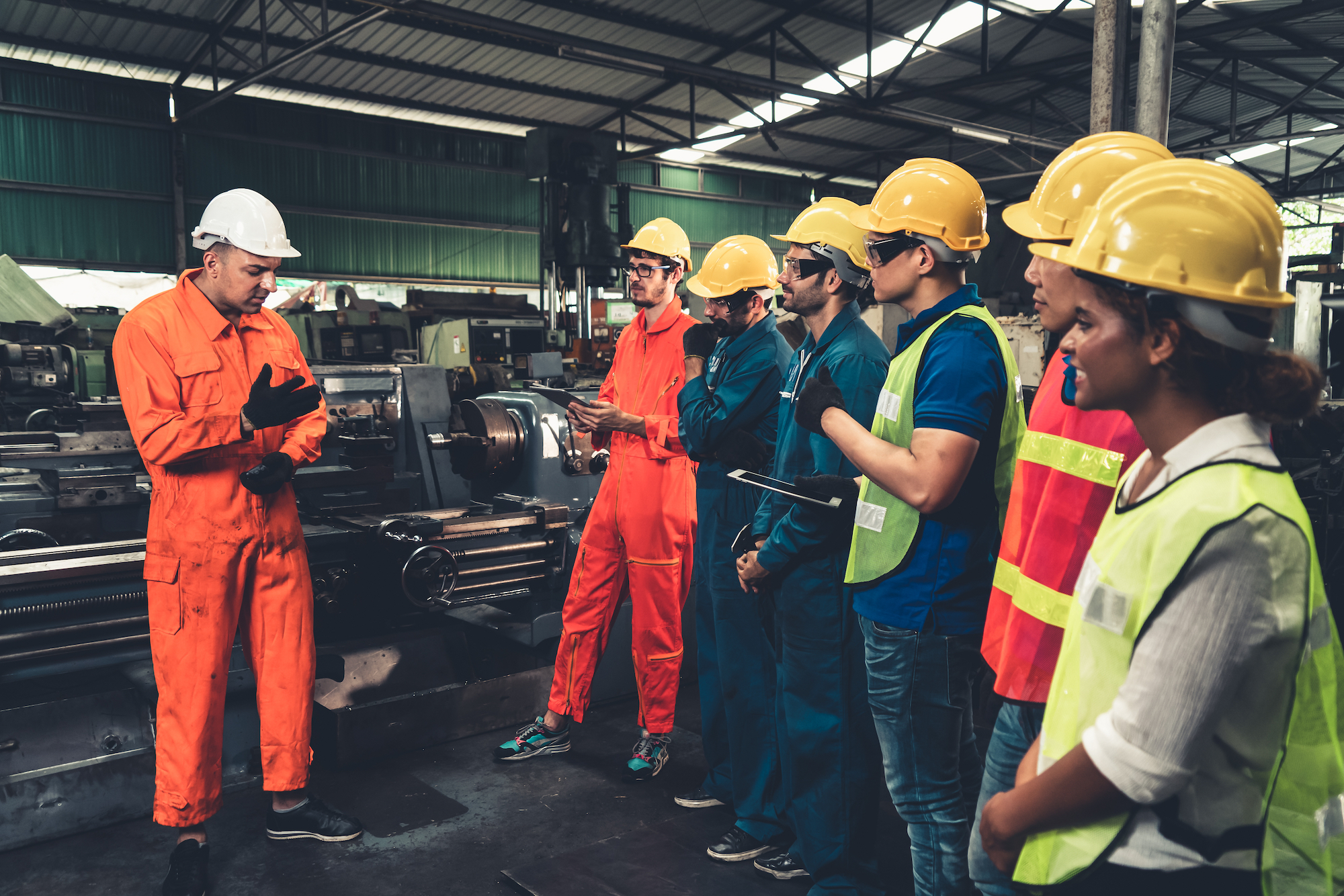
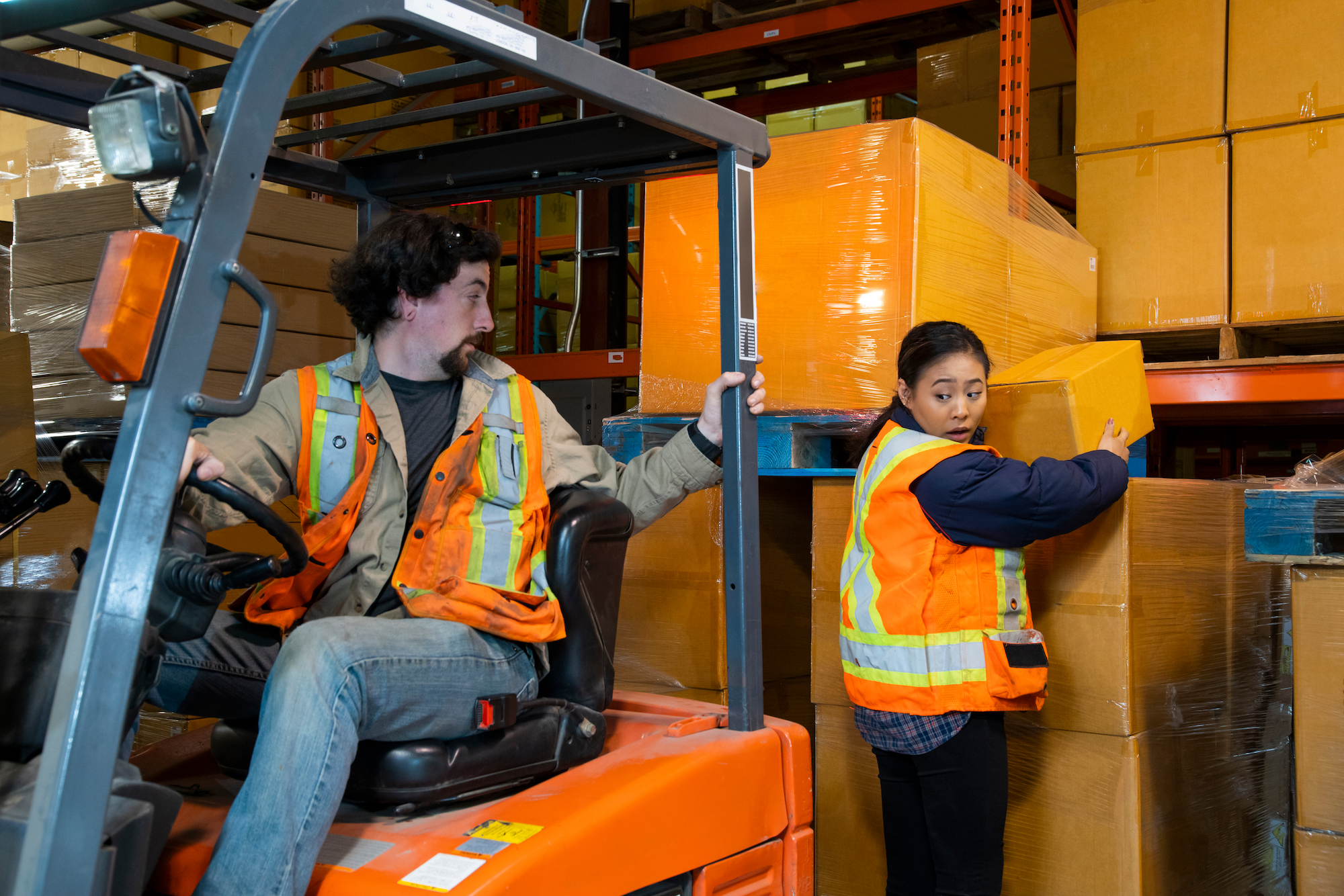
In 1970, the United States Congress passed the Occupational Safety and Health Act which requires OSHA to establish and enforce workplace health and safety standards. OSHA standards are rules and regulations that describe the methods that employers are required to implement for specific activities or…

Read More

Recognizing Unsafe Conditions

Unsafe working conditions are conditions that are hazardous to any worker. These conditions can prevent workers from properly executing their job tasks and pose a risk to their health and safety. Discussion Points: • What are some examples of unsafe conditions that can be found…

Read More

Equipment Calibration and Maintenance

Many facilities have equipment that relies on precise specifications which require calibration and maintenance, including pressure gauges, temperature devices, flow meters, electrical components and meters, and mechanical instruments and scales. Ensuring equipment operates at optimal performance, companies should develop and implement a Calibration and Maintenance…

Read More

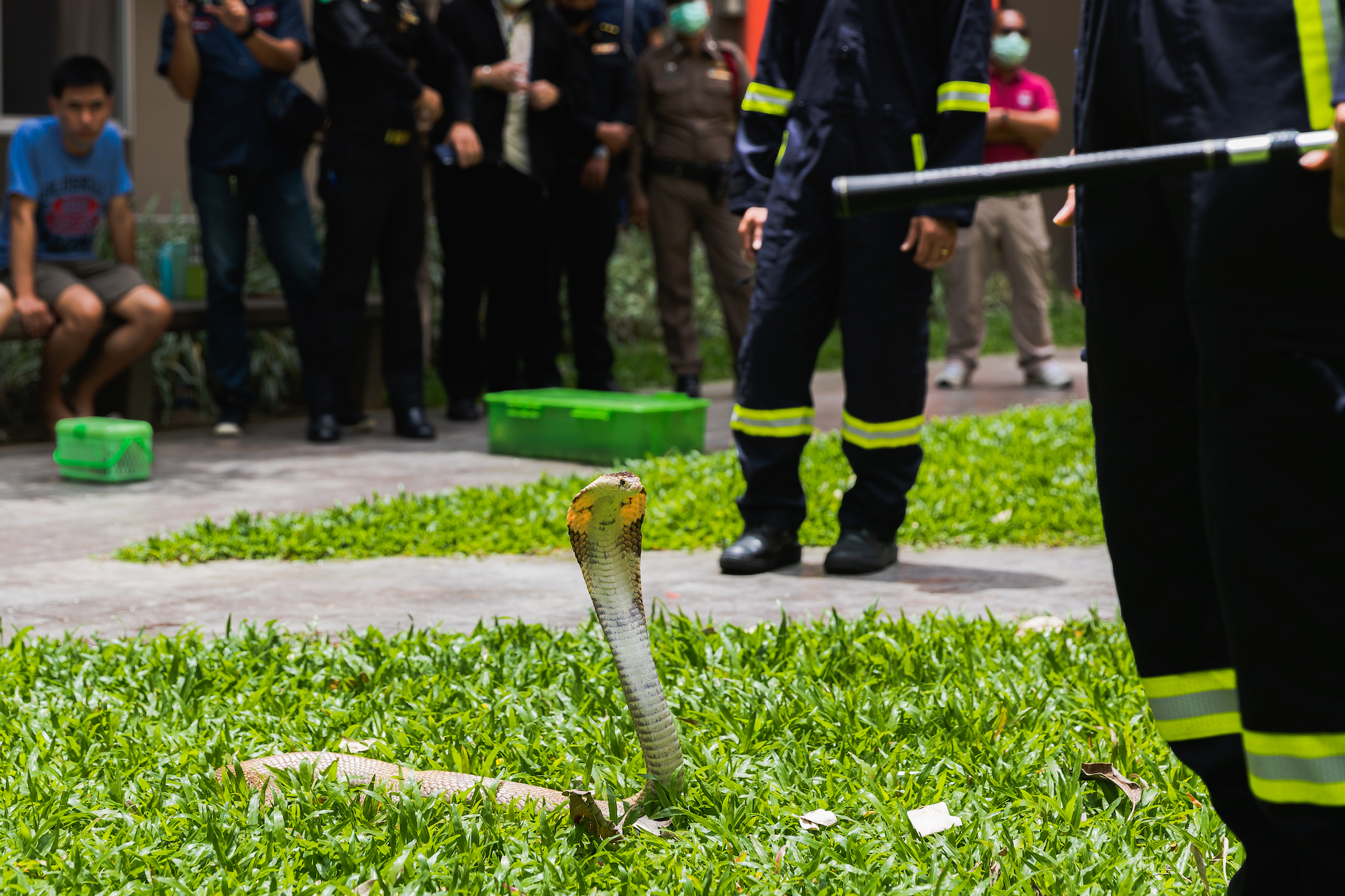
Snakes in the Workplace

Workers should be aware of their surroundings when working outdoors, especially in warm weather, because they may be exposed to many hazards, including stray animals, insects, and snakes. They should be cautious when working in tall grass or around piles of leaves and wood. Although…

Read More

Trauma Awareness in the Workplace

When a traumatic event occurs, the expectation is that medical care response will be immediate, as the survival of a worker who has experienced a severe injury is reliant upon the company’s trauma care system. Discussion Points: • What is trauma? • How do you…

Read More

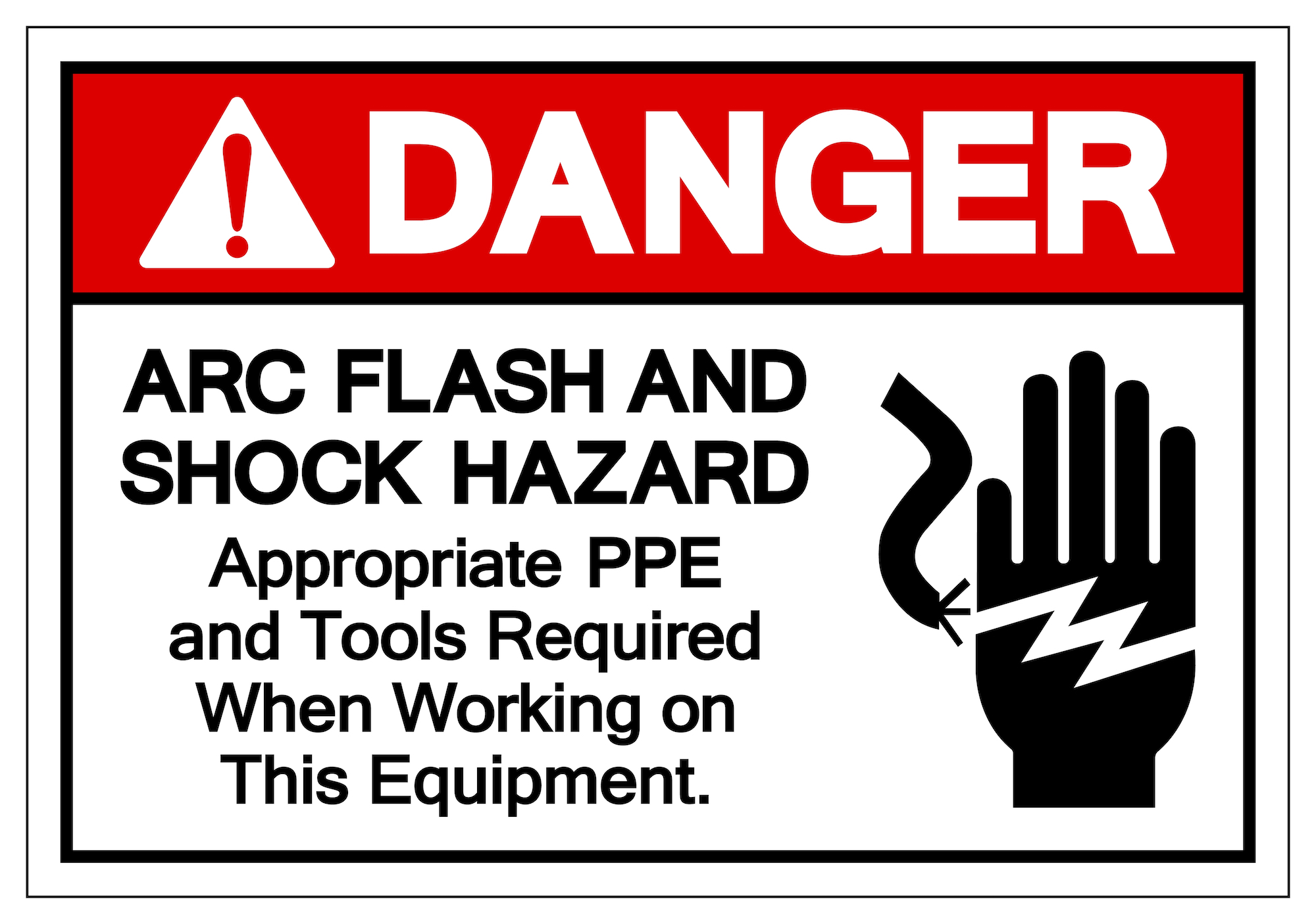
Arc Flash Safety

Working around electrical equipment with exposed or live parts can be hazardous. Contact with energized parts can set off an arc flash and instantly generate an explosion releasing temperatures of up to 35,000 degrees Fahrenheit. An arc flash can cause injuries ranging from minor to…

Read More

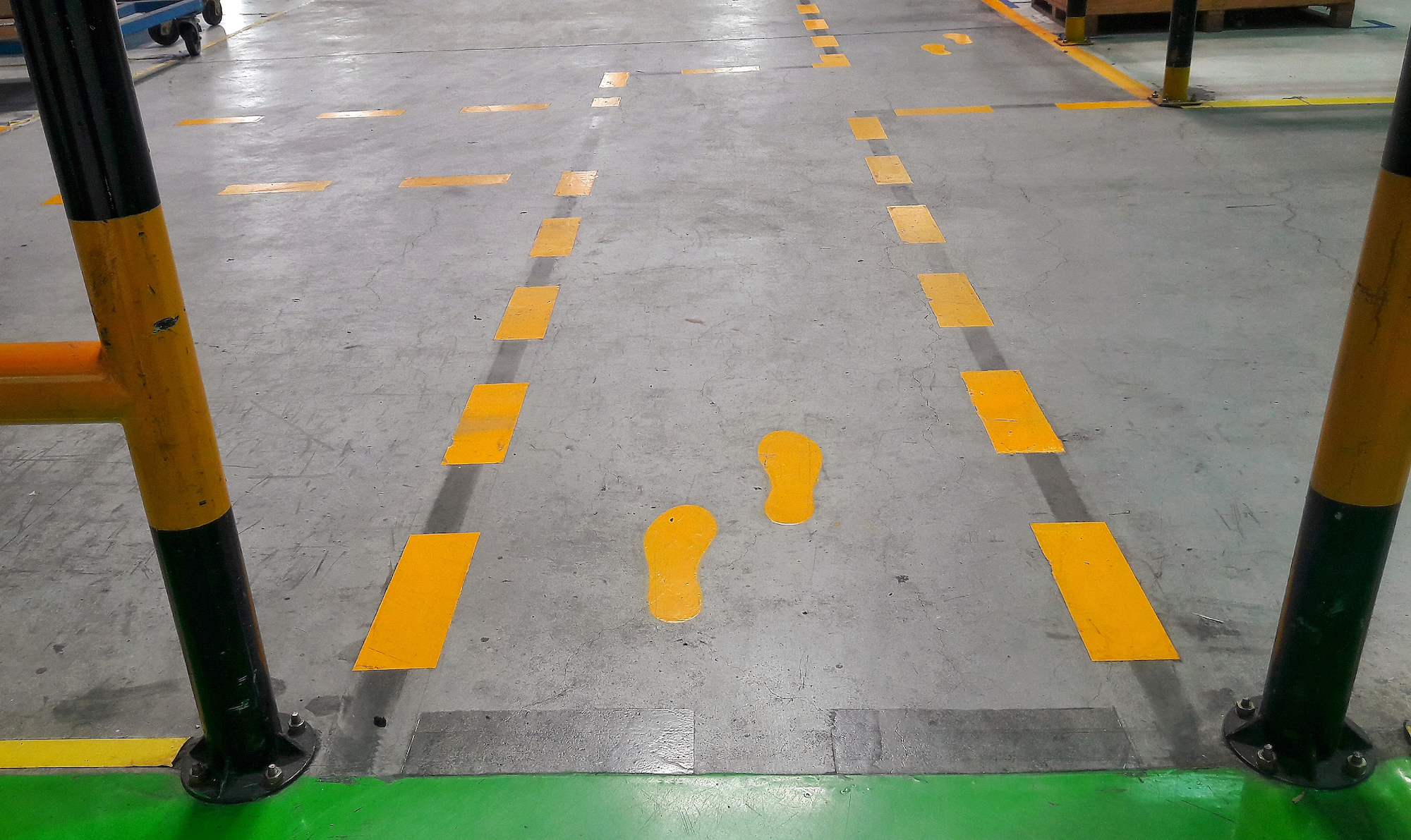
OSHA Walking-Working Surfaces

Falls caused by slips or trips are among the most common causes of work-related injuries and deaths. Most of these fall-related accidents are preventable. OSHA has developed regulations on walking-working surfaces for the general industry and requires employers to provide fall protection to help reduce…

Read More

Workers’ Memorial Day

Workers’ Memorial Day was established to recognize workers who died or experienced exposure to hazards at work. Every year on April 28th, people around the world remember those who have lost their lives at their workplace. Discussion Points: • Workers’ Memorial Day recognizes those who…

Read More

Driving Safety

When a driver is behind the wheel of a large truck or piece of heavy equipment, he or she is at risk of being involved in an accident that results in severe injury or death. Driver distraction is a major factor in the cause of…

Read More