From the blog

Category: <span>Environmental</span>

Read our latest articles on compliance, recycling, inspections, and field practices from JEM's experience working with facilities across the industry.

Read our latest articles

Spill Prevention Control and Countermeasures (SPCC)

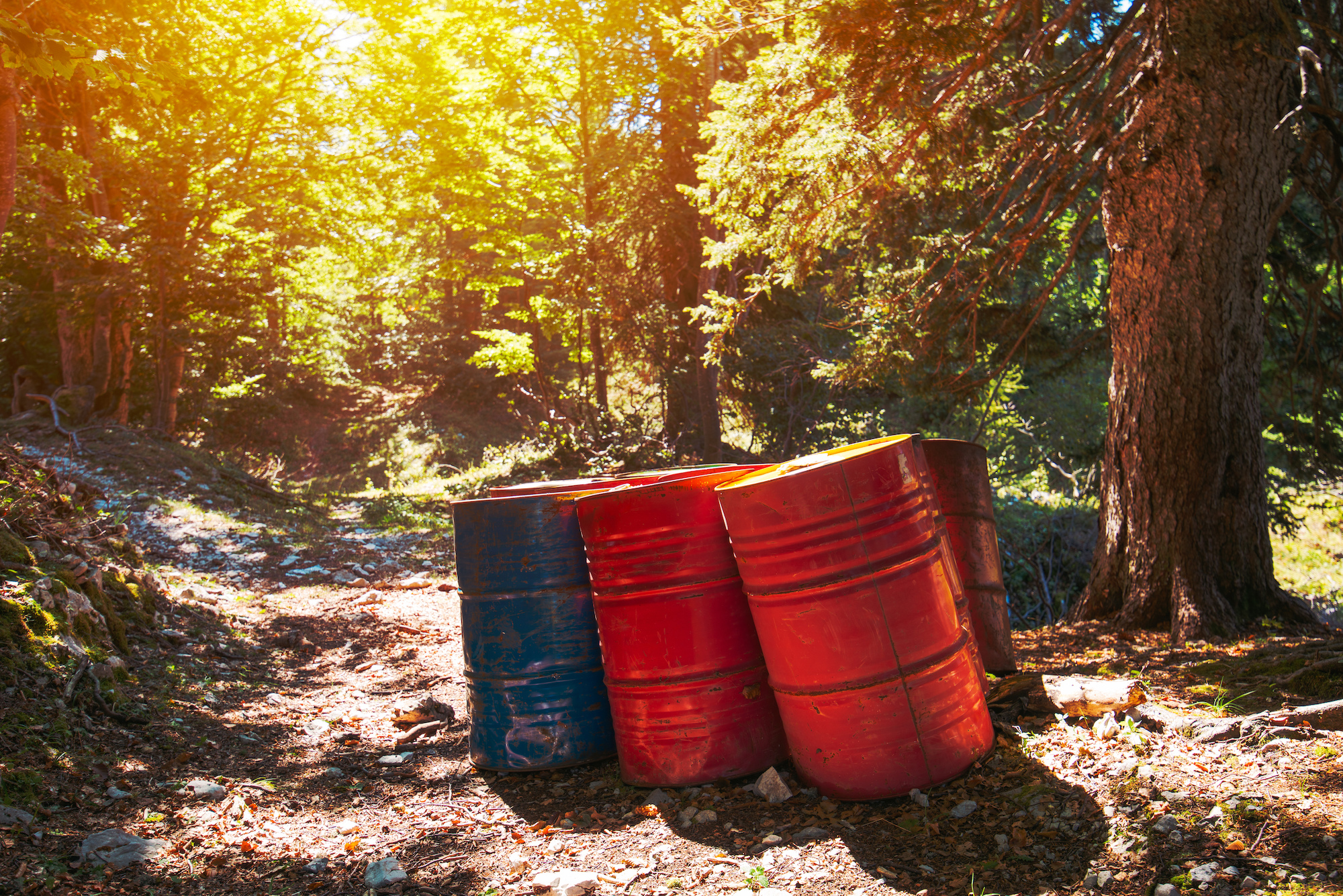
Oil spills endanger public health, impact drinking water, devastate natural resources and disrupt the economy. Spills can happen during production, storage, or transport. Every effort must be made to prevent oil spills, and to clean them up promptly when they occur. Costs associated with spill…

Read More
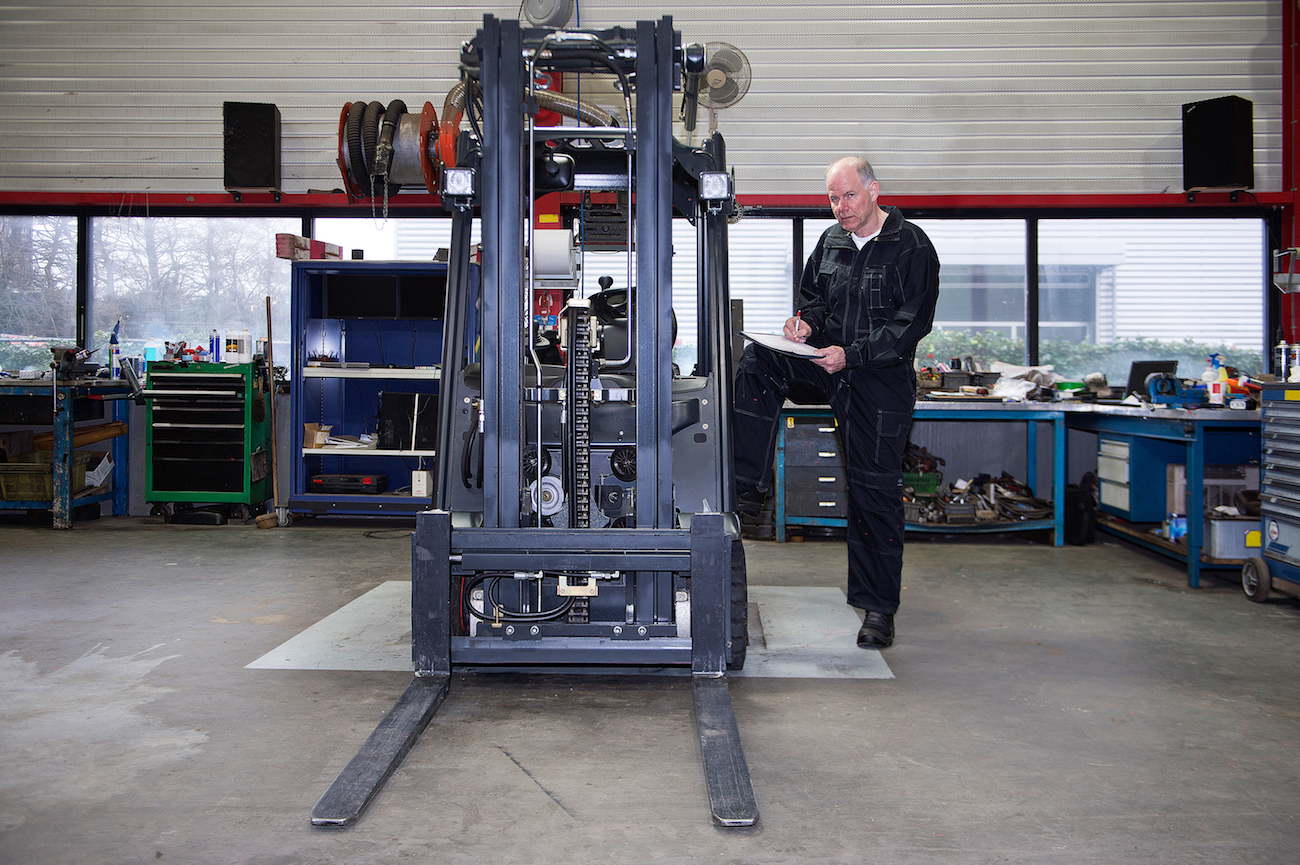
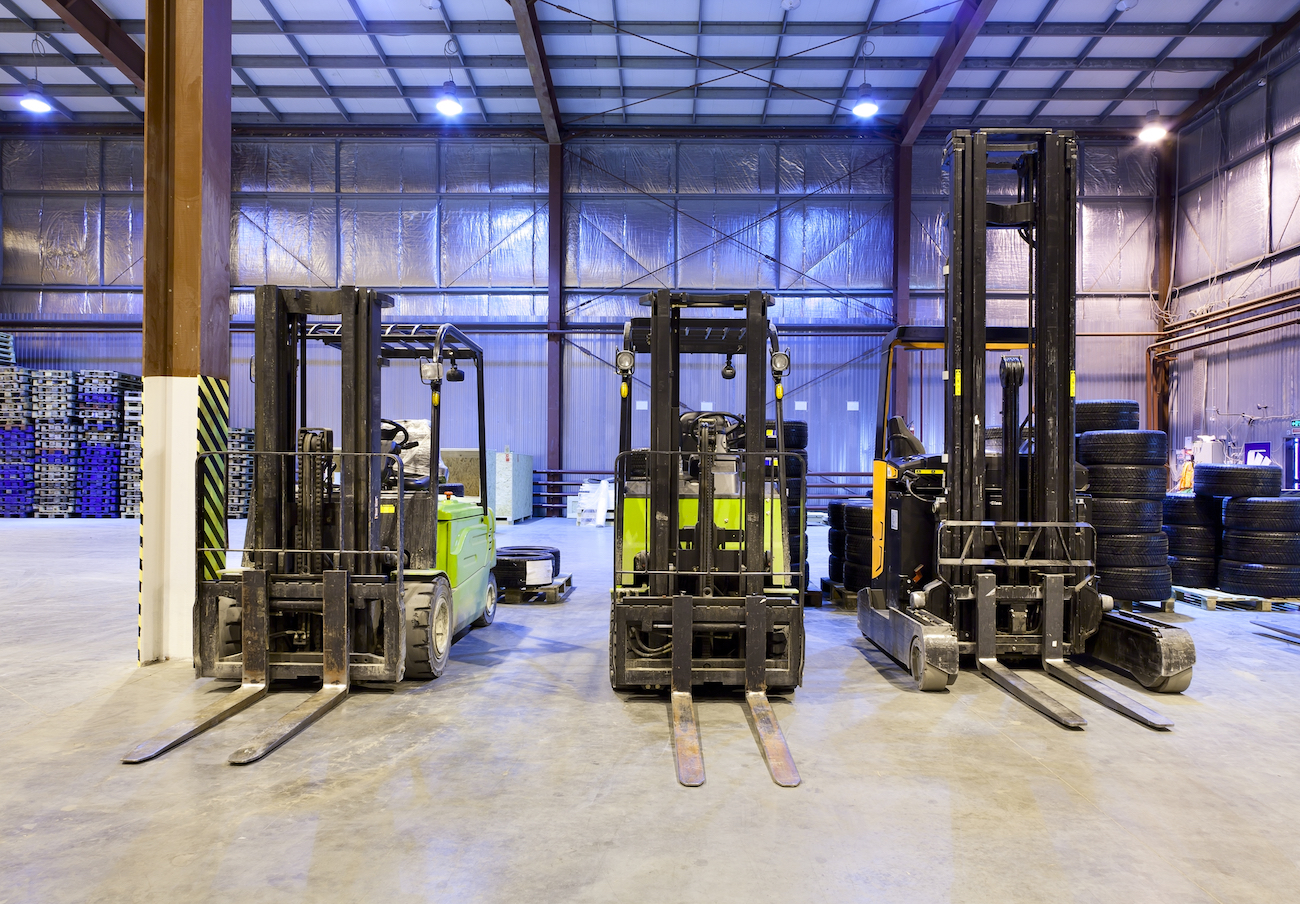
How to Safely Operate a Forklift

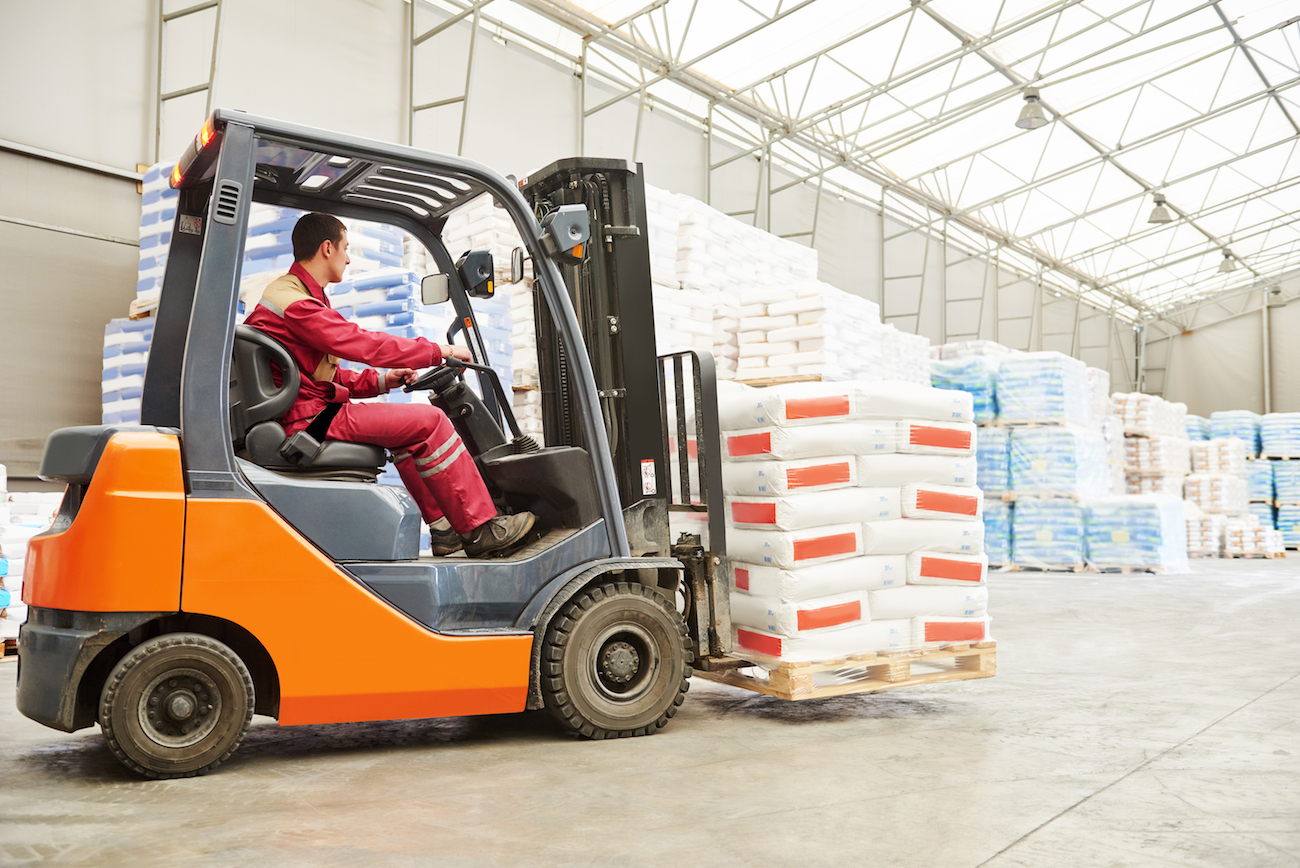
According to OSHA, only trained and authorized operators are permitted to operate powered industrial trucks. Understanding how to operate a forklift (PIT) safely can help avoid injuries and property damage. Complete the pre-operational inspection, and do not operate a forklift that requires repairs. When operating…

Read More

How to Inspect the Forklift

To maintain your Powered Industrial Truck, OSHA requires a complete inspection on a daily basis, before it is placed into service. Forklifts used on a round-the-clock basis, must be examined before and after each shift. If any defects are found during the inspection, the problems…

Read More

The Basics of Forklift (PIT) Operation

No employee should ever operate a forklift without proper training. This training must include: basic safety rules, material handling procedures, safe operating techniques, and driver’s performance testing. Re-training is required: when there is a failure in the safety procedures, an employee is involved in an…

Read More

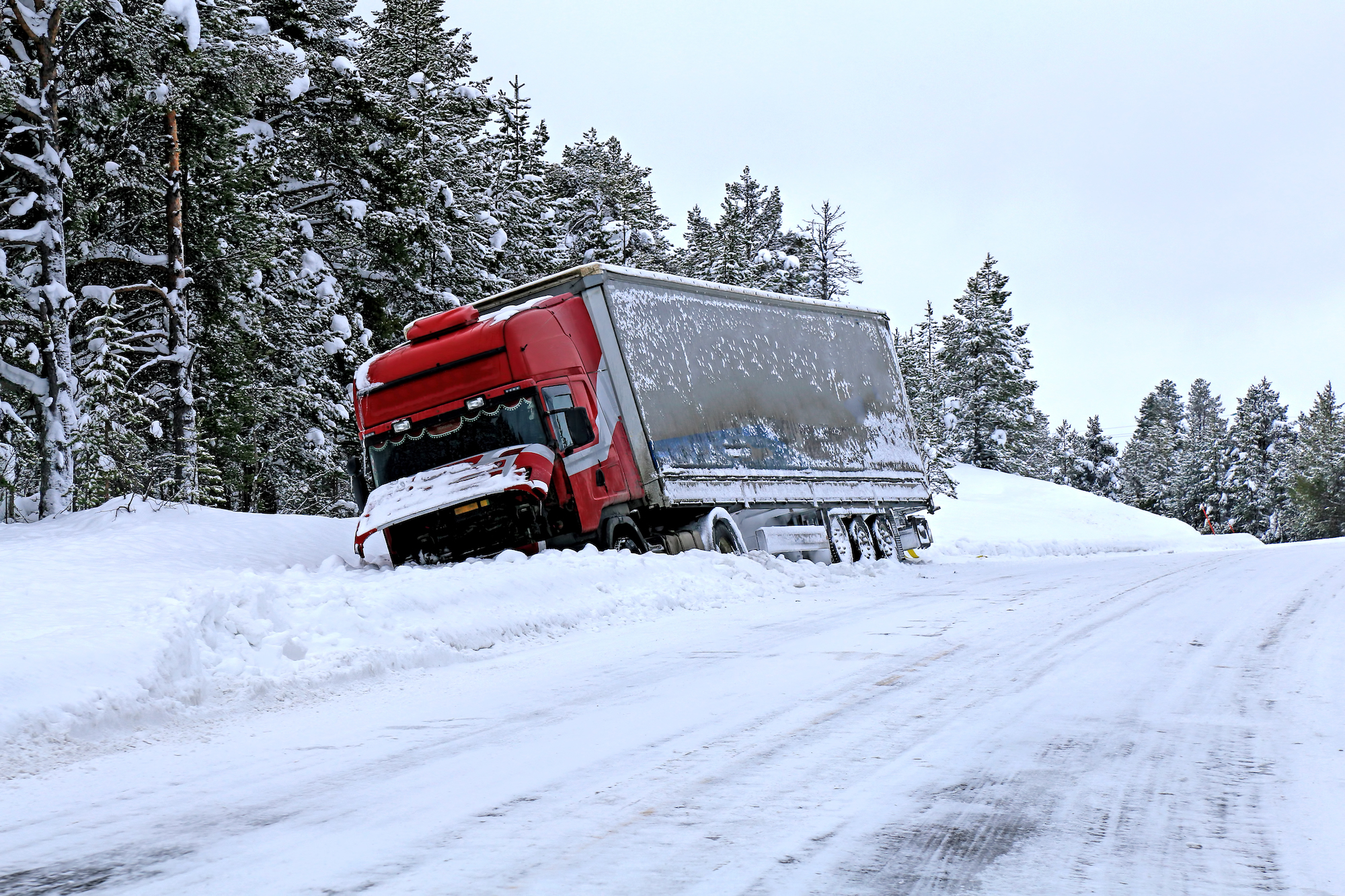
Winter Driving

Hazards associated with driving during winter weather conditions, including driving on wet, icy or snow- packed roads increase, making it risky to drive in these adverse conditions. It is important to prepare for driving in these conditions as emergencies can happen at any time. Preparation…

Read More

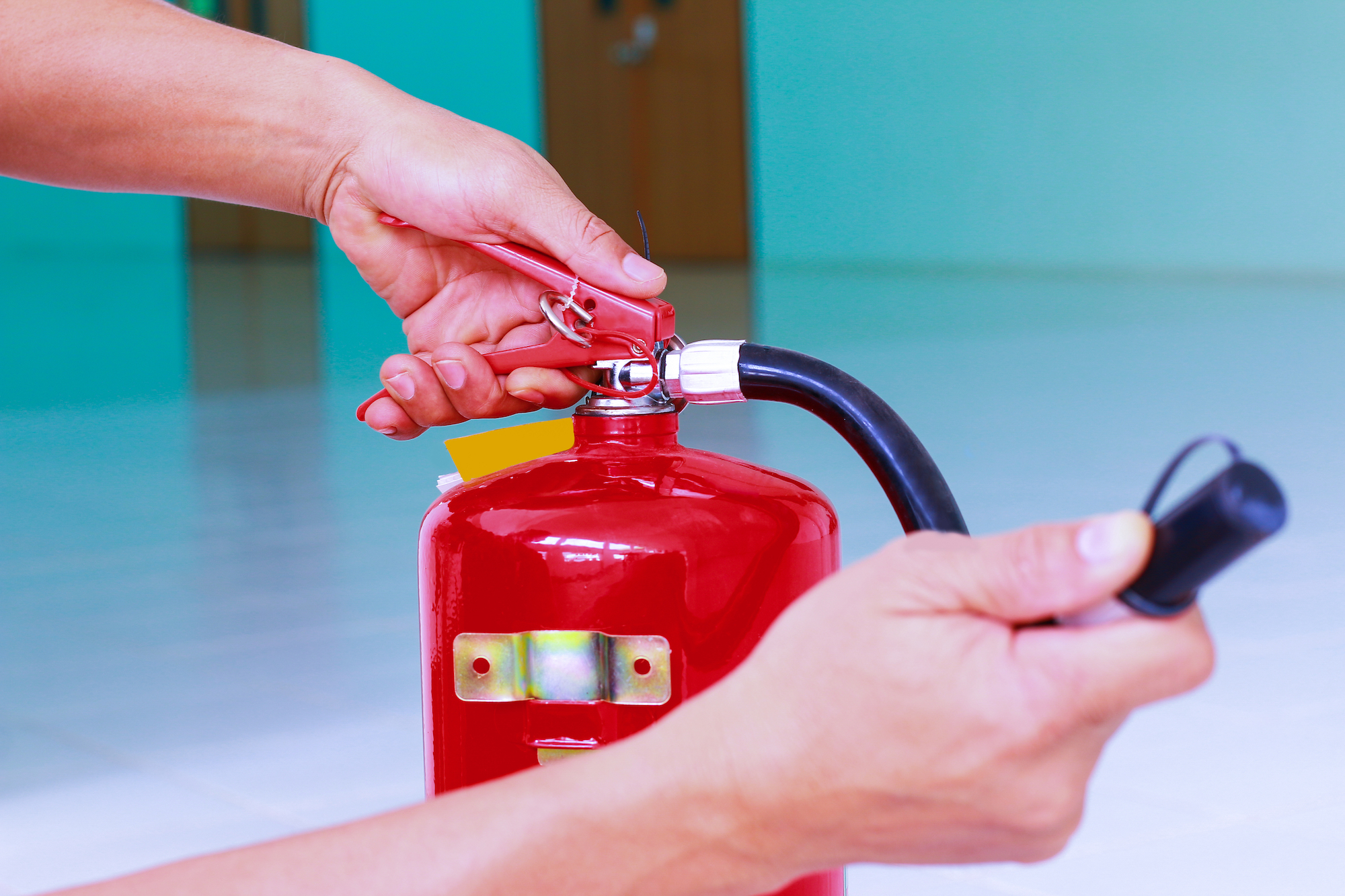
Fire Extinguishers

Fire extinguishers are designed to handle different types of fires. Fires are categorized depending on what is burning, and extinguishers are labeled accordingly; A, B, C, and D. Class A is the most common type of fire and involves ordinary combustible materials, Class B involves…

Read More

Fire Safety – Auto Salvage

A fire can occur in the workplace without warning, and it is everyone’s responsibility to prevent it. OSHA requires employers have an Emergency Response Plan in place and provide training. This training will cover some of the potential causes of fires in an auto salvage…

Read More

Hazard Communication – “Your Right to Know”

Exposure to hazardous chemicals is one of the most serious threats facing workers today. As an employee, you have the “right to know” about the hazards. The Hazard Communication Standard (HCS) has been revised by OSHA to align with the Globally Harmonized System (GHS) of…

Read More

Hearing Conservation

Noise induced hearing loss is the most common occupational hazard for workers and is 100% preventable. OSHA’s Hearing Conservation Program is designed to protect workers with significant occupational noise exposures from hearing impairment, and involves noise level monitoring to identify all noise at or above…

Read More

Emergency Evacuation Plan

It is important to plan ahead and to protect your employees during an emergency. For fire related emergencies, always use the emergency exit closest to you and have an alternate route in case an exit is blocked. If possible shut-off any equipment you are operating…

Read More