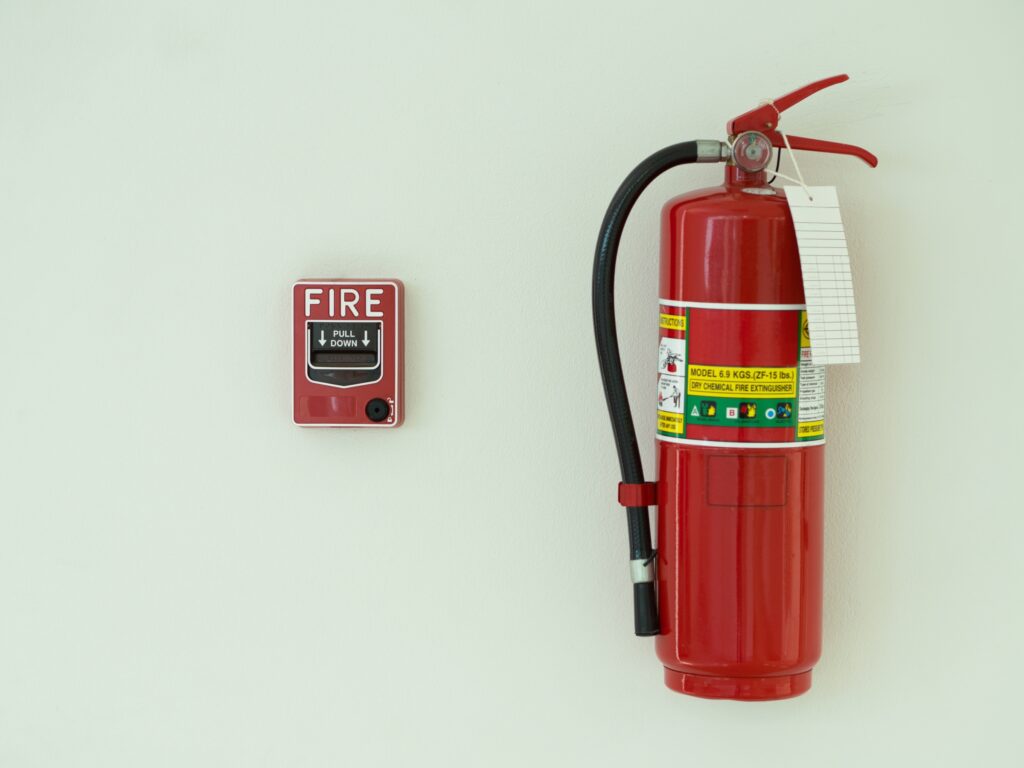
The fire extinguisher is the most crucial tool for fighting fires; however, if it is not properly maintained, it may not work when needed. Fire extinguishers require routine maintenance to ensure they are in good working condition.
Discussion Points:
- Conduct monthly fire extinguisher inspections.
- Certified professionals to perform annual inspections and routine maintenance.
- Follow established guidelines to ensure your fire extinguisher is functioning properly.
Discussion:
Fire extinguisher maintenance is a thorough check intended to provide maximum assurance that the extinguisher will operate effectively and safely. It includes a detailed inspection, along with any necessary repairs, recharging, or replacements.
Regular inspections are essential to ensure that fire extinguishers are functional. You will inspect the fire extinguishers at least once a month or as scheduled, utilizing the equipment maintenance check form provided by your supervisor. During this inspection, check for any visible damage, corrosion, or leaks. Also, verify that the pressure gauge is in the green zone, indicating that the extinguisher is fully charged and ready for use. Document all information as required.
Fire extinguishers should be maintained at regular intervals, ideally at least once a year, or as specified by an inspection. They should be serviced annually by a certified professional to ensure proper working conditions. This service includes a visual inspection for any signs of physical damage, checking the pressure gauge to confirm it is within the recommended range, and ensuring that the safety pin is intact and securely in place. Additionally, the nozzle and hose will be examined for blockages or deterioration, and the extinguisher should be mounted securely in an accessible location. If necessary, it will be recharged and hydrostatically tested.
To ensure that the fire extinguisher is in proper working condition, follow these guidelines:
- Make sure the fire extinguisher is easily accessible at all times.
- Ensure it is set up for easy access and is not blocked by equipment, coats, or other objects that could hinder emergency access.
- Be sure that it is always fully charged and ready for use. The pressure gauge must indicate the recommended level, with the needle in the green zone.
- Verify that the pull pin, tamper seal, hose, and nozzle are intact.
- Inspect it for cracks, dents, leaks, rust, chemical deposits, or signs of wear. Clean off any corrosive chemicals or oil.
- Ensure it has a visible and legible instructions label.
- Make sure no alterations have been made that could impact its performance.
- After using it, always recharge immediately.
- A certified professional should perform an annual inspection to check for damage, corrosion, or needed repairs.
- Hydrostatic testing is required every 5 to 12 years to ensure the cylinder is safe.
By following these guidelines, you can ensure your fire extinguisher is always prepared for use in an emergency. Routine maintenance is an essential part of a preventive maintenance strategy. Keep in mind that a properly maintained fire extinguisher can prevent small fires from escalating into major disasters.
As always, stay safe out there!